How Does a Peer-to-Peer Car Rental Platform Work?
By Emma Smith
74 Views
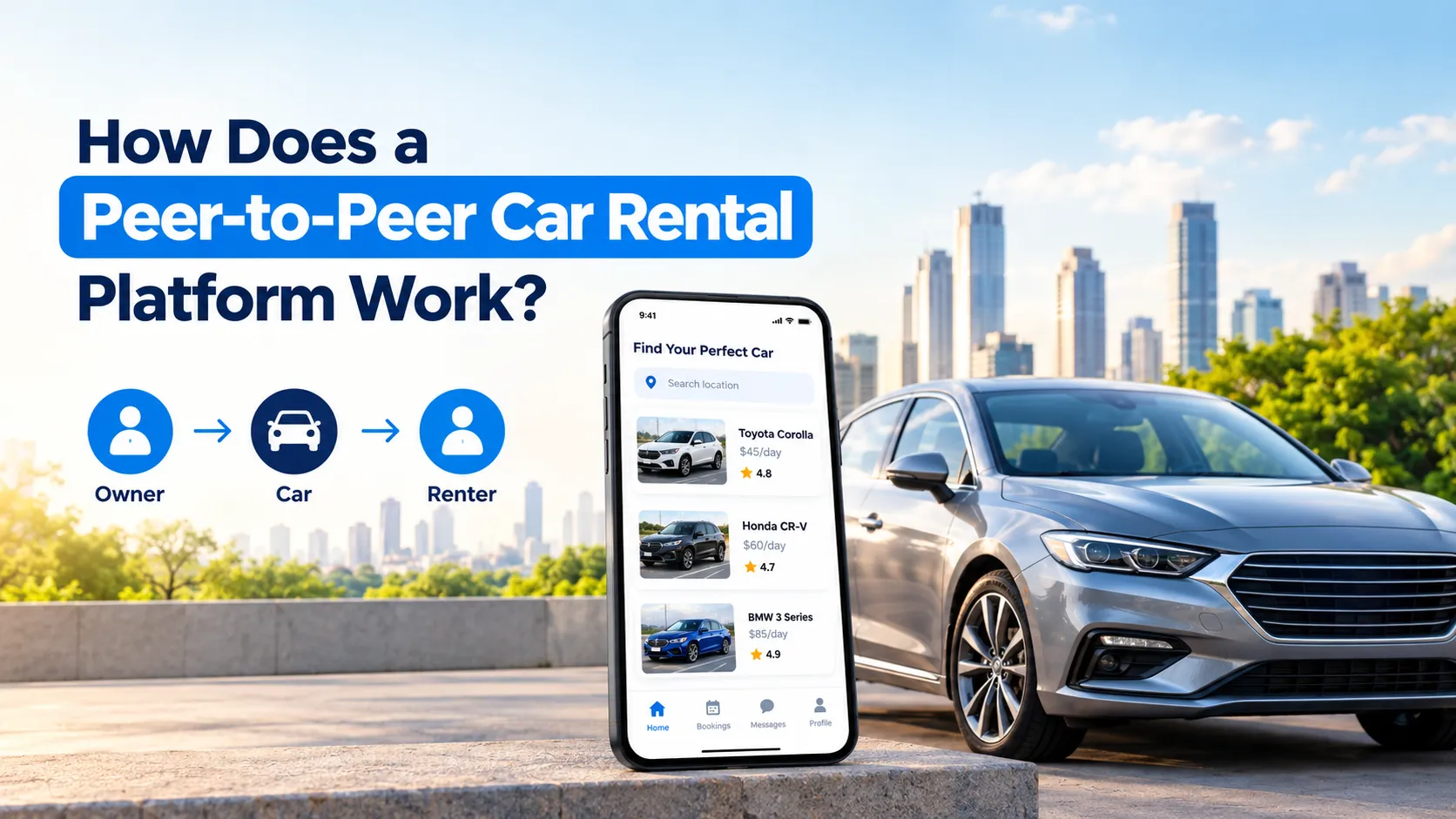
The way people access transportation is changing rapidly. Instead of purchasing a car or relying entirely on traditional rental agencies, many users now prefer convenient, app-based vehicle-sharing services. Peer-to-peer (P2P) car rental platforms have emerged as a popular solution by connecting car owners who want to earn from their vehicles with renters looking for flexible and affordable transportation.
Platforms such as Turo have helped popularize this business model by creating digital marketplaces where users can list, discover, book, and manage vehicles through a mobile application. For entrepreneurs, this model also presents an opportunity to build a scalable car-sharing marketplace.
If you are planning to enter this market, understanding how the platform works is essential before investing in development. Working with a car rental app development company like turo can help businesses transform this concept into a feature-rich digital platform.
What Is a Peer-to-Peer Car Rental Platform?
A peer-to-peer car rental platform is an online marketplace that allows private vehicle owners to rent their cars to other individuals for a specific period.
Unlike traditional rental companies that own and manage their fleet, P2P platforms generally operate as intermediaries. The platform provides the technology required to connect vehicle owners and renters while managing essential processes such as listings, searches, bookings, payments, communication, reviews, and notifications.
The basic business model involves three primary participants:
- Car Owners: Individuals or businesses that list vehicles on the platform.
- Renters: Users who search for and book available vehicles.
- Platform Operator: The company that manages the marketplace, technology, transactions, and policies.
This asset-light model can allow entrepreneurs to expand vehicle availability without purchasing and maintaining a large fleet themselves.
How Does a Peer-to-Peer Car Rental Platform Work?
The overall process is designed to be simple for both vehicle owners and renters. Although individual platforms may have different features, the typical workflow includes the following steps.
1. Owner Registration and Vehicle Listing
The process begins when a vehicle owner creates an account on the platform. Depending on the marketplace's verification requirements, the owner may need to submit personal information, identity documents, vehicle registration details, insurance information, and other required documents.
After verification, the owner can create a vehicle listing by adding:
- Vehicle make and model
- Photos
- Features and specifications
- Rental price
- Availability
- Pickup or delivery options
- Mileage rules
- Additional rental requirements
A well-designed listing gives renters enough information to make an informed booking decision.
2. Vehicle Search and Discovery
Renters register on the platform and search for vehicles according to their requirements. The application can provide filters for location, dates, vehicle type, price range, features, and other criteria.
A strong search experience is particularly important because renters may have different needs. One customer might be searching for an economical car for a weekend trip, while another may need a premium vehicle for a special occasion.
A car rental app development company like turo can implement advanced search, filtering, location-based discovery, and personalized recommendations to make vehicle discovery easier.
3. Booking the Vehicle
After selecting a vehicle, the renter chooses the required rental dates and reviews the applicable pricing and terms.
Depending on the platform's business model, the booking may be instantly confirmed or require approval from the vehicle owner.
The platform can calculate the total booking amount based on factors such as:
- Rental duration
- Base rental price
- Platform fees
- Delivery charges
- Insurance or protection fees
- Taxes
- Optional services
Once the renter completes the payment or authorization process, the reservation is recorded in the system.
4. Secure Payment Processing
Payments are an important part of any peer-to-peer rental marketplace. The platform needs a secure payment infrastructure that can handle transactions between renters and the marketplace while supporting owner payouts.
Common payment functionality includes:
- Credit and debit card payments
- Digital wallets
- Payment authorization
- Refund processing
- Security deposits
- Automated owner payouts
- Transaction history
The platform may earn revenue by charging service fees or commissions on completed bookings.
5. Vehicle Pickup and Handover
Once the reservation is confirmed, the renter and owner follow the agreed pickup process.
Depending on the platform, vehicles may be exchanged through:
- In-person handovers
- Designated pickup locations
- Delivery services
- Keyless entry systems
The application can provide booking details, pickup instructions, location information, and notifications to reduce confusion during the handover.
Some platforms also use vehicle inspection workflows where users document the vehicle's condition before and after the rental.
6. Rental Period and Communication
During the rental period, renters can use the vehicle according to the agreed rental terms. An integrated communication system can allow owners and renters to exchange messages without relying on external communication channels.
Push notifications can remind users about:
- Booking confirmations
- Pickup times
- Return deadlines
- Payment updates
- Messages
- Booking changes
Real-time communication can improve transparency and provide a better overall user experience.
7. Vehicle Return and Inspection
At the end of the rental period, the renter returns the vehicle according to the agreed instructions.
The owner can then inspect the vehicle for potential damage, mileage differences, fuel-level changes, or other issues. The platform can support digital inspection records and photo uploads to maintain documentation.
A clearly defined return and dispute process can help the marketplace handle disagreements between users.
8. Ratings and Reviews
After completing a rental, both parties can potentially leave ratings and reviews.
Reviews are particularly valuable in marketplace businesses because users often want to evaluate another participant before completing a transaction.
For example, renters may review:
- Vehicle condition
- Accuracy of the listing
- Owner communication
- Pickup experience
Owners may review:
- Renter communication
- Vehicle usage
- Timeliness
- Return condition
This two-sided reputation system can help create greater transparency within the marketplace.
Essential Features of a P2P Car Rental Platform
Building a successful platform requires more than basic booking functionality. The technology should address the requirements of owners, renters, and administrators.
Renter App Features
A renter-facing application may include:
- Registration and login
- Profile management
- Vehicle search
- Advanced filters
- Map-based vehicle discovery
- Vehicle details
- Booking management
- Secure payments
- In-app messaging
- Push notifications
- Booking history
- Ratings and reviews
- Customer support
Car Owner Features
Vehicle owners can benefit from features such as:
- Owner registration
- Vehicle listing management
- Availability calendar
- Pricing management
- Booking requests
- Earnings dashboard
- Payout management
- Messaging
- Rental history
- Reviews and ratings
Admin Panel
The administrator needs centralized tools to manage the marketplace. Important functionality can include:
- User management
- Vehicle verification
- Document management
- Booking management
- Payment monitoring
- Commission management
- Dispute management
- Content management
- Reports and analytics
- Notifications
- Review moderation
A car rental app development company like turo can help businesses integrate these different modules into a unified marketplace ecosystem.
How Does a P2P Car Rental Platform Make Money?
A peer-to-peer car rental platform can use several monetization strategies. The most common is a commission model, where the platform retains a percentage of each successful transaction.
Other potential revenue streams include:
- Booking or service fees
- Delivery charges
- Premium listing fees
- Subscription plans
- Advertising opportunities
- Protection or insurance-related service fees
- Additional service charges
The right monetization strategy depends on the target market, regulatory environment, operating costs, and competitive landscape.
Technology Behind a Peer-to-Peer Car Rental App
A modern P2P rental platform typically combines several technologies to deliver a smooth experience.
The technology stack may include:
- Mobile applications: Native or cross-platform apps for iOS and Android.
- Backend infrastructure: APIs, databases, authentication, and business logic.
- Cloud services: Scalable hosting and storage infrastructure.
- Maps and geolocation: Location-based vehicle discovery and navigation.
- Payment gateways: Secure transaction processing and payouts.
- Push notifications: Real-time booking and account updates.
- Analytics: Business intelligence and user behavior insights.
- Security systems: Encryption, authentication, access controls, and fraud prevention.
Choosing the right architecture is important because marketplace platforms may need to support growing numbers of users, vehicles, bookings, and transactions.
Why Businesses Are Investing in P2P Car Rental Apps
The P2P model offers several opportunities for entrepreneurs. It can create a marketplace without requiring the operator to own every vehicle listed on the platform.
It can also provide vehicle owners with an opportunity to generate income from underutilized cars while giving renters access to a broader selection of vehicles.
For businesses entering this space, partnering with a car rental app development company like turo can simplify the process of designing, developing, testing, and deploying the application.
However, entrepreneurs should also consider important factors such as local transportation regulations, insurance requirements, taxation, user verification, vehicle safety, data protection, and payment compliance before launching the platform.
How to Start a Peer-to-Peer Car Rental Platform
Launching a P2P car rental marketplace generally involves several stages:
- Research the target market and identify customer needs.
- Define the business model and revenue strategy.
- Study regulatory requirements in the intended operating region.
- Plan core features for renters, owners, and administrators.
- Design the user experience around simple discovery and booking.
- Choose the technology architecture and development approach.
- Develop and test the platform across supported devices.
- Integrate payments, maps, notifications, and verification systems.
- Launch an MVP in a focused geographic market.
- Collect user feedback and continuously improve the product.
An experienced car rental app development company like turo can support this process by providing technical expertise and helping convert the business concept into a functional marketplace.
Conclusion
Peer-to-peer car rental platforms have changed the traditional vehicle rental model by creating digital marketplaces that connect car owners and renters directly. From vehicle listing and discovery to booking, payment, pickup, inspection, and reviews, every stage can be managed through a centralized mobile and web platform.
For entrepreneurs, the model offers an opportunity to build a scalable mobility marketplace while providing users with greater choice and convenience. However, successful implementation requires careful attention to technology, security, payments, verification, regulations, and user experience.
If you are planning to launch your own platform, choosing an experienced car rental app development company like turo can help you build the necessary marketplace infrastructure and develop features tailored to your business objectives. With the right product strategy and technology foundation, a P2P car rental platform can create value for both vehicle owners and renters while establishing a sustainable digital mobility business.