Patio Enclosures in El Paso, TX: Creating Comfortable and Functional Outdoor Spaces
11 Views
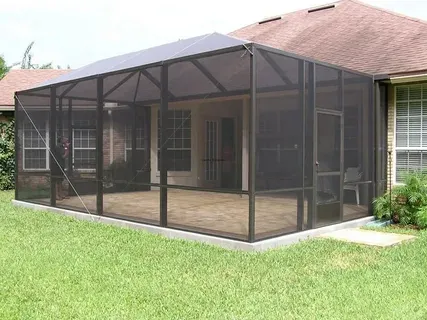
Outdoor living spaces can add comfort, flexibility, and value to a property when they are designed to suit the local climate. For homeowners and businesses exploring patio enclosures in El Paso, TX, the right combination of shade, weather protection, and thoughtful design can make an outdoor area more practical throughout the year. Whether the goal is to create a relaxing backyard retreat, protect a seating area from intense sunlight, or make a commercial patio more inviting, understanding the available enclosure options is an important first step.
El Paso's sunny conditions make outdoor spaces appealing, but strong sunlight and seasonal weather can also limit how often they are used. A well-planned patio enclosure can help manage exposure while maintaining a connection to the outdoors.
What Are Patio Enclosures?
Patio enclosures are structures or systems designed to provide a degree of protection around an outdoor living area. Depending on the design, they may use screens, panels, roof coverings, or a combination of materials to create a more sheltered environment.
Some enclosures are designed to block insects while allowing fresh air to circulate. Others offer more substantial protection from sunlight, wind, or rain. The best choice depends on the property's layout, the intended use of the patio, and the level of coverage desired.
Common options include:
-
Screen enclosures: Help keep insects out while allowing airflow and visibility.
-
Covered patios: Provide overhead protection from direct sunlight and light weather.
-
Polycarbonate patio covers: Offer a durable roof option that allows some natural light through.
-
Enclosed outdoor rooms: Use more substantial walls or panels to create a space that feels closer to an indoor room.
-
Shade-screen systems: Reduce sunlight and glare without completely closing off the patio.
Each option serves a different purpose, so it is helpful to consider daily use before selecting a design.
Why Consider a Patio Enclosure in El Paso?
The local climate is an important factor when planning an outdoor improvement. El Paso experiences abundant sunshine, and patios without adequate shade can become uncomfortable during warmer periods.
A suitable enclosure or covering can offer several benefits.
Better Sunlight Management
Direct sunlight can make outdoor furniture, flooring, and seating areas uncomfortable. Shade structures and screening materials can reduce exposure and help create a more usable space.
More Comfortable Outdoor Living
A sheltered patio can provide a convenient place for dining, relaxing, reading, or spending time with family. Depending on the enclosure design, it may also make the area more useful during breezy or dusty conditions.
Added Privacy
Certain screen and shade materials can help limit visibility from nearby properties. The amount of privacy depends on the material's openness, color, and installation position.
Protection for Outdoor Furniture
Sunlight and weather exposure can gradually affect cushions, fabrics, and other outdoor furnishings. A suitable covering can reduce some of that exposure and help protect the space.
Flexible Use of Available Space
An existing patio may serve more than one purpose when it has appropriate shade and protection. It can become an outdoor dining area, a quiet seating space, or an extension of a property's entertaining area.
Choosing the Right Enclosure Design
Not every patio needs the same type of structure. Before choosing materials or requesting installation, consider how the area will be used and what conditions it needs to handle.
Screened Patio Enclosures
Screen systems are useful when airflow and visibility are priorities. They can help reduce insect entry while keeping the outdoor atmosphere. Screen material should be selected according to the desired balance between visibility, ventilation, and privacy.
Covered Patio Structures
A covered patio provides overhead shade and can make outdoor seating more comfortable during sunny hours. The roof material, support structure, drainage, and attachment points should all be considered during planning.
Polycarbonate Patio Covers
Polycarbonate roofing is a popular option for certain outdoor covering projects because it is lightweight and allows natural light to pass through. Different products offer different levels of light transmission and heat control, so the specifications should be reviewed before choosing a panel.
Motorized Shade Systems
Motorized screens and shades can offer convenient control over sunlight and privacy. They may be particularly useful for patios with large openings or areas where changing sun angles affect comfort throughout the day.
How Window Treatments Complement Outdoor Shade
Outdoor improvements are only one part of managing sunlight around a property. Interior spaces can also benefit from appropriate coverings, particularly where windows receive strong direct sunlight.
A window treatment store can help property owners explore options such as blinds, shades, and other window coverings. These products can influence how much daylight enters a room, how much privacy it provides, and how the interior looks.
When selecting window treatments, consider the following factors:
-
Light control: Decide whether the room needs filtered daylight, partial darkening, or stronger light blockage.
-
Privacy: Consider how visible the room is from streets, neighboring properties, or shared spaces.
-
Energy efficiency: Certain window coverings may help reduce solar heat gain when selected and used appropriately.
-
Room function: Bedrooms, living rooms, offices, and kitchens may require different levels of light and privacy.
-
Style: Color, texture, and material should complement the room's existing design.
Window treatments and outdoor shade systems can work together to create a more consistent approach to sunlight management across a property.
Factors to Consider Before Installation
A successful patio project begins with careful planning. Reviewing the following details can help avoid design problems and unnecessary changes.
Measure the Available Space
Accurate measurements help determine the size and layout of the proposed enclosure. Note the patio's width, depth, height, and any nearby doors, windows, walkways, or utilities.
Evaluate Sun Direction
Observe when direct sunlight reaches the patio. A space exposed to afternoon sun may need a different shade arrangement from one that receives mostly morning sunlight.
Choose Materials for Local Conditions
Materials should be appropriate for outdoor exposure, including sunlight, heat, wind, and occasional rain. Ask about durability, maintenance requirements, and manufacturer specifications.
Review Drainage and Structural Support
Covered structures need appropriate support and a plan for managing rainwater. Existing walls, roof edges, and patio foundations should be evaluated before installation.
Check Local Building Requirements
Some patio covers and enclosure projects may require permits or approval, depending on their size, structural design, location, and attachment to an existing building. Property owners should confirm applicable requirements with the relevant local building department before construction begins.
Common Mistakes to Avoid
A patio enclosure should improve the way a property functions rather than create new limitations. Avoid these common planning mistakes:
-
Choosing a design based only on appearance: A visually attractive enclosure may not provide the shade or protection the space needs.
-
Ignoring ventilation: An overly enclosed area can feel uncomfortable if airflow is not considered.
-
Overlooking measurements: Incorrect dimensions can affect access, appearance, and installation.
-
Selecting unsuitable materials: Outdoor products need to withstand the conditions they will face.
-
Forgetting maintenance: Screens, tracks, panels, and support structures may need periodic cleaning and inspection.
-
Skipping professional assessment: Complex installations should be reviewed for structural suitability and safe attachment.
Maintaining Patio Enclosures
Regular maintenance helps keep an enclosure functional and attractive. Remove dust and loose debris from screens and surfaces using cleaning methods recommended by the manufacturer. Check tracks, fasteners, support points, and moving components for signs of wear.
After strong winds or severe weather, inspect the structure for visible damage. Avoid operating motorized systems if their tracks or components appear obstructed or damaged. Following product-specific care instructions can help preserve the system over time.
Frequently Asked Questions
1. What is the purpose of a patio enclosure?
A patio enclosure helps make an outdoor area more comfortable by providing varying levels of shade, screening, privacy, and weather protection. The exact benefits depend on the enclosure type and materials.
2. Are patio enclosures suitable for homes in El Paso, TX?
Yes. They can be useful for managing strong sunlight and improving the usability of outdoor spaces. The design should account for local weather conditions, ventilation, and structural requirements.
3. Do patio enclosures block all sunlight?
Not necessarily. Screened systems, shade fabrics, solid covers, and translucent roofing materials provide different levels of light control. The right choice depends on how much natural light the property owner wants to retain.
4. Can window treatments improve indoor comfort?
Window coverings can help control daylight, glare, and privacy. Some products may also reduce solar heat gain, depending on their material, design, and how they are installed.
5. How do I choose the right window treatment?
Consider the room's purpose, window orientation, privacy needs, preferred light level, and interior design. Comparing material and operating options can help narrow the choices.
6. Do patio enclosure projects require permits?
Permit requirements vary according to the project and local regulations. Confirm requirements with the appropriate El Paso building authority before beginning construction.
Conclusion
Creating a comfortable outdoor area involves more than adding a roof or screen. The most effective design considers sunlight, airflow, privacy, materials, structural support, and the way the space will be used. Indoor window coverings can complement these improvements by helping manage light and privacy throughout the property. For property owners exploring outdoor shade solutions and window coverings, Shade Doctor of El Paso offers options including patio covers, motorized shades, solar screens, awnings, and window treatments for residential and commercial spaces in El Paso, TX.
Related Reading
Expert Insights: Navigating the Complex World of Home Improvement
Welcome to our in-depth exploration of Home Improvement. In an era defined by ra...
Why Home Improvement is Transforming the Global Industry Landscape
Welcome to our in-depth exploration of Home Improvement. In an era defined by ra...