Ozone IV Therapy vs. IV Vitamin Therapy: Benefits, Uses & Key Differences
53 Views
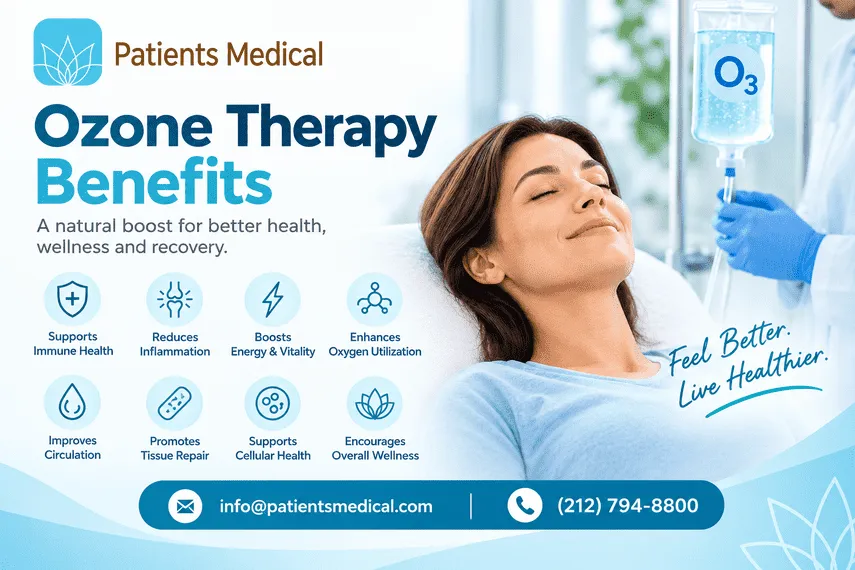
When people explore intravenous wellness therapies, they may come across different approaches designed to support the body's natural functions. Two options that often attract attention are ozone-based IV therapies and IV vitamin therapy. While both may be incorporated into an integrative care plan, they work in different ways and may be considered for different wellness goals. Understanding how each approach is used can help people have a more informed conversation with a qualified healthcare professional about which option may fit their individual needs.
What Is Ozone IV Therapy?
Ozone IV therapy is an integrative approach involving medical ozone under professional supervision. Rather than simply delivering vitamins or nutrients, ozone-based protocols are designed around the interaction of ozone with blood and the body's physiological processes.
Depending on the protocol, ozone may be used through techniques such as major autohemotherapy, where a patient's blood is treated with a controlled amount of medical ozone and then returned to the body.
The approach may be considered as part of a broader wellness plan focused on:
- Supporting healthy circulation
- Promoting the body's natural antioxidant responses
- Supporting immune function
- Addressing oxidative stress
- Complementing personalized wellness and functional medicine strategies
Because ozone therapy protocols can vary, treatment should be determined by an appropriately trained medical professional rather than approached as a one-size-fits-all therapy.
How Does IV Vitamin Therapy Work?
IV vitamin therapy delivers selected vitamins, minerals, fluids, or other nutrients directly into the bloodstream. This method bypasses the digestive system and can provide nutrients in a controlled clinical setting.
The nutrients used depend on an individual's circumstances and the goals of the treatment. Some people explore IV nutrient therapy as part of an approach to hydration, nutritional support, energy, or general wellness.
Common considerations include:
- Nutritional support: Specific nutrients may be selected according to individual needs.
- Hydration: IV fluids can provide direct hydration when clinically appropriate.
- Energy support: Certain nutrient combinations may be incorporated into wellness protocols.
- Personalized care: A healthcare professional can determine whether IV nutrients are appropriate.
It is important to understand that IV vitamin therapy is different from ozone-based therapy. The purpose, ingredients, administration method, and clinical considerations can all vary.
What Are the Main Differences?
When people Compare Ozone therapy and IV Vitamin therapy, the biggest distinction is what each treatment is designed to provide. Ozone therapy involves medical ozone and is often discussed in relation to oxidative and physiological processes, while IV vitamin therapy focuses on delivering nutrients and fluids intravenously. The two approaches may therefore have different roles within an integrative care plan.
Ozone-based therapy may be explored for goals related to immune and circulation support, whereas IV nutrient therapy may be considered when nutritional or hydration support is a priority. In some personalized programs, different therapies may also be used as complementary components rather than viewed as competing choices.The appropriate approach depends on health history, current needs, medical evaluation, and professional guidance.
What Benefits Do People Explore?
Interest in ozone therapy benefits often comes from people looking for integrative approaches that may complement conventional healthcare. However, the potential role of ozone therapy should be evaluated individually, and it should not be presented as a universal solution for every condition.
Potential areas discussed in integrative care include:
- Immune support: Ozone protocols may be considered as part of strategies designed to support normal immune function.
- Circulation: Some approaches focus on supporting healthy blood flow and oxygen-related physiological processes.
- Inflammation: Ozone therapy may be incorporated into broader strategies addressing inflammatory balance.
- Detox support: Some patients explore ozone as one component of a comprehensive wellness plan.
- Energy and vitality: Treatment plans may address factors contributing to low energy rather than focusing on a single symptom.
The evidence and suitability can vary depending on the specific application, so individualized medical assessment remains important.
How Can You Choose the Right Approach?
Someone searching for ozone therapy near me may be interested in finding a convenient provider, but location should not be the only consideration. Ozone therapy requires appropriate medical oversight, and patients should look for a practice that evaluates their health history and explains the treatment process clearly.
Before choosing a therapy, consider:
- Your health goals: Identify what you are hoping to address or support.
- Medical evaluation: Discuss existing conditions, medications, and relevant health factors.
- Treatment protocol: Ask how the therapy will be administered and what the session involves.
- Professional supervision: Confirm that treatment is provided in an appropriate clinical setting.
- Personalized planning: Look for care that considers your individual needs rather than offering the same protocol to everyone.
People researching iv ozone therapy near me may also want to ask whether the provider offers medically supervised protocols and explains the difference between ozone-based approaches and standard IV nutrient therapy.
Ready to Explore Your Options?
Ozone-based therapy and IV vitamin therapy serve different purposes. A qualified healthcare provider can help determine which approach best fits your health needs and goals.Patients Medical offers personalized, physician-supervised ozone therapy. Visit https://www.patientsmedical.com/ or call (212) 794-8800 for more information.