How to Choose Osteoporosis Treatment in North Richland Hills TX?
9 Views
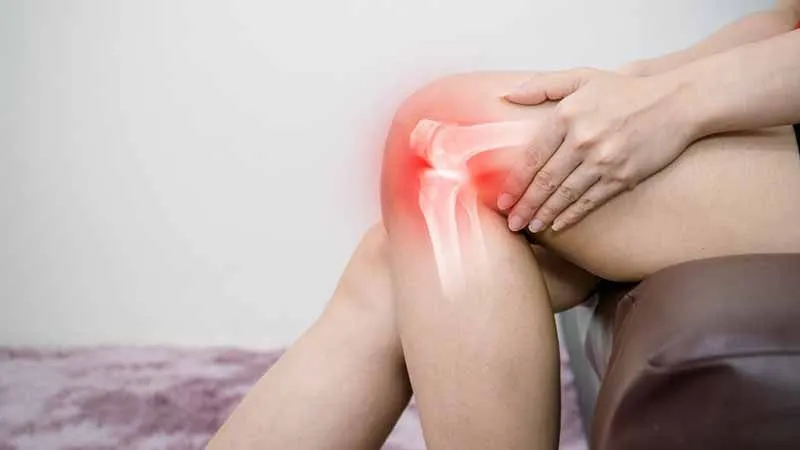
Osteoporosis weakens bones over time, increasing the risk of fractures during everyday activities. A minor fall, sudden movement, or even a routine task can sometimes lead to a broken bone. Many people do not notice bone loss until a fracture occurs, making early assessment an important part of protecting long-term mobility.
Choosing the right osteoporosis treatment in North Richland Hills TX starts with understanding your bone health, fracture risk, medical history, and treatment goals. Osteoporosis care may include bone density testing, medication, nutrition changes, fall prevention, and pain management when needed. The right plan depends on your individual condition, not simply your age or the results of one test.
Why Does Osteoporosis Need Early Attention?
Osteoporosis develops when bones lose strength and become more likely to break. Bone tissue constantly renews itself, but this process can become unbalanced with age, hormonal changes, certain medical conditions, or long-term use of some medications. The condition often progresses without noticeable symptoms, so a person may feel healthy despite declining bone strength.
Spinal fractures may cause back pain, reduced height, or changes in posture, while hip and wrist fractures can limit independence. An estimated one in three women and one in five men over age 50 worldwide will experience an osteoporotic fracture during their remaining lifetime. Early evaluation helps identify risk and guide appropriate treatment before a serious injury occurs.
How to Choose Osteoporosis Treatment in North Richland Hills TX?
Selecting treatment involves more than finding a medication or arranging a scan. A clinician should review your fracture history, age, family history, current medicines, lifestyle, and other conditions that could affect bone strength. This assessment helps determine the urgency of treatment and the options most likely to offer meaningful benefits.
Look for a provider who explains the findings clearly and discusses both medication and practical steps for protecting your bones. Ask how treatment progress will be monitored, which side effects require attention, and when follow-up testing may be needed. A good treatment plan should also account for existing fractures, mobility concerns, and your ability to follow the recommended schedule.
When to See an Osteoporosis Specialist
A consultation with an osteoporosis specialist in North Richland Hills TX may be helpful if you have low bone density, a previous fragility fracture, or several risk factors for bone loss. Risk factors can include menopause, advancing age, a family history of hip fractures, low body weight, smoking, heavy alcohol use, and certain chronic illnesses. Long-term steroid treatment can also weaken bones.
Do not wait for a fracture if you have concerns about your bone health. A specialist can assess your risk, review previous scans, and identify possible causes of bone loss. If you have already experienced a fracture after a minor fall or routine activity, ask about evaluating your bone strength. Treatment after a fracture may help reduce the risk of another one.
Understanding of Bone Density Testing
Bone density testing in North Richland Hills TX can help measure bone mineral density and estimate fracture risk. A commonly used test is dual-energy X-ray absorptiometry, known as a DXA or DEXA scan. It usually measures the lower spine and hip, takes a short time, and uses a low dose of radiation.
Results are interpreted alongside your age, medical history, and fracture risk. A T-score of minus 2.5 or lower at an appropriate measurement site is one standard criterion for osteoporosis in postmenopausal women and men aged 50 or older. A score alone does not tell the whole story. Your clinician may also consider previous fractures, other health conditions, and medicines before recommending treatment.
Treatment Options for Osteoporosis
Osteoporosis treatment aims to strengthen bones, reduce fracture risk, and preserve independence. Some people need medication soon after diagnosis, while others may begin with lifestyle measures and regular monitoring based on their overall risk. People who have already had a fragility fracture or have very low bone density may need more intensive treatment.
Treatment choices can include antiresorptive medicines, which slow bone breakdown, and anabolic medicines, which help build bone in selected patients. Examples include bisphosphonates, denosumab, and certain bone-building medicines. Each option has specific benefits, limitations, and precautions. Your clinician should explain how the medicine is taken, how long it may be used, and what monitoring is required.
How Medications Help Protect Bone Strength?
Bisphosphonates are commonly used to slow bone loss and lower fracture risk. Depending on the specific medicine, they may be taken by mouth or given through an infusion. Oral forms have instructions about timing, water intake, and remaining upright after a dose. These directions matter because incorrect use can increase the risk of irritation in the food pipe.
Other medicines may be considered when fracture risk is high, when a person cannot use a particular treatment, or when an alternative approach is more appropriate. Denosumab is given by injection at scheduled intervals and requires careful planning if it is stopped or delayed. Some bone-building treatments are reserved for people at very high risk. Never start, stop, or change osteoporosis medication without discussing the plan with your healthcare professional.
Nutrition and Daily Habits That Support Treatment
Medication works best when supported by habits that protect bone health. Calcium provides the mineral structure bones need, while vitamin D helps the body absorb calcium. Dairy products, fortified foods, leafy vegetables, and other calcium-rich choices may help meet daily needs. Your clinician can advise whether dietary changes or supplements are appropriate for you.
Weight-bearing activity and muscle-strengthening exercises can support bone and balance health when performed safely. Walking, supervised resistance exercises, and balance training may be suitable for some people, but existing fractures and other medical conditions can affect what is safe. Avoid smoking, limit alcohol, and review medicines that may increase fall risk.
Managing Pain and Fracture Related Problems
Osteoporosis itself may not cause pain until a fracture or another problem develops. Sudden back pain after lifting, bending, coughing, or a minor fall can sometimes indicate a spinal compression fracture. Other possible signs include a new stooped posture, loss of height, or pain that worsens with movement. These symptoms need medical assessment rather than being assumed to be ordinary muscle strain.
Osteoporosis pain management in North Richland Hills TX may involve evaluating the source of pain and choosing suitable treatment. Depending on the cause, care may include short-term pain relief, activity adjustments, physical therapy, or specialist assessment for a fracture. Some spinal fractures improve with conservative treatment, while selected cases require additional procedures. Seek urgent care for severe pain after a fall, inability to bear weight, new weakness, numbness around the groin, or loss of bladder or bowel control.
Finding Care for Osteoporosis and Fractures
Osteoporosis and fracture treatment North Richland Hills TX may involve coordination between primary care, bone health specialists, radiology, orthopedics, and pain management. The appropriate team depends on the type of fracture, its severity, and any other health conditions. A fracture may need immediate stabilization, while long-term osteoporosis care focuses on reducing the chance of another injury.
When comparing providers, ask how they assess fracture risk, coordinate follow-up, and manage pain when a fracture occurs. Find out who will review your test results and oversee medication monitoring. If you have a recent fracture, ask how the team will address both healing and the underlying bone loss. Treating the fracture and treating osteoporosis are related but distinct parts of care.
Questions to Ask Before Starting Treatment
A treatment discussion should leave you with a clear understanding of your diagnosis, options, and next steps. Bring a list of medicines and supplements, any previous bone density reports, and details of past fractures. Tell your clinician about swallowing problems, kidney disease, dental concerns, or other conditions that could affect medication selection. Consider asking these questions during your appointment:
-
What is my current fracture risk, and what factors influence it?
-
Do I need a bone density scan or additional tests?
-
Which treatment options are suitable for my health history?
-
What side effects or warning signs should I know about?
-
When should my progress be reviewed, and when might I need another scan?
-
What should I do if I miss a dose or experience a new fracture?
Conclusion
Osteoporosis care should address both current bone health and the risk of future fractures. Early assessment, appropriate testing, different osteoporosis treatment in North Richland Hills TX and safe daily habits can help protect mobility and independence. New back pain, a fracture after a minor fall, or known low bone density are good reasons to discuss your options with a healthcare professional. Dr. Rao K. Ali, pain management specialist, can be contacted to discuss pain-management concerns and determine whether further assessment or referral may be appropriate. Do not delay urgent evaluation for a suspected fracture or sudden severe symptoms.
Frequently Asked Questions
Can osteoporosis be treated successfully?
Osteoporosis can be managed with appropriate medication, nutrition, exercise, and fall prevention. Treatment may slow bone loss, improve bone strength, and lower the risk of fractures. Results vary according to the medicine used, the severity of bone loss, and the person’s overall health.
Does everyone with low bone density need medication?
Not everyone with low bone density needs medication immediately. A clinician considers the bone density result alongside age, fracture history, other risk factors, and overall health. Some people may need monitoring and lifestyle changes, while those at higher risk may benefit from prescription treatment.
How often should bone density be checked?
The timing depends on your initial results, fracture risk, treatment, and changes in your health. Some people need repeat testing after a period of treatment, while others may require a different schedule. Your clinician can recommend an interval that is appropriate for your situation.
Can osteoporosis cause back pain without a fall?
Yes. Osteoporosis-related spinal fractures can occur during everyday movements and may not follow a major fall. New, persistent, or sudden back pain should be assessed, particularly if you have known osteoporosis or have lost height. Severe pain or neurological symptoms require urgent medical attention.
What should I do after a fracture caused by a minor fall?
Seek prompt medical evaluation to assess the injury and determine whether a fracture has occurred. Once the immediate injury is addressed, ask about testing for osteoporosis and reviewing your risk of another fracture. Treating the underlying bone loss is an important part of long-term recovery.