Online Water Analyzer: Enhancing Water Quality Management Through Smart Technology
By Sail Mehboob
175 Views
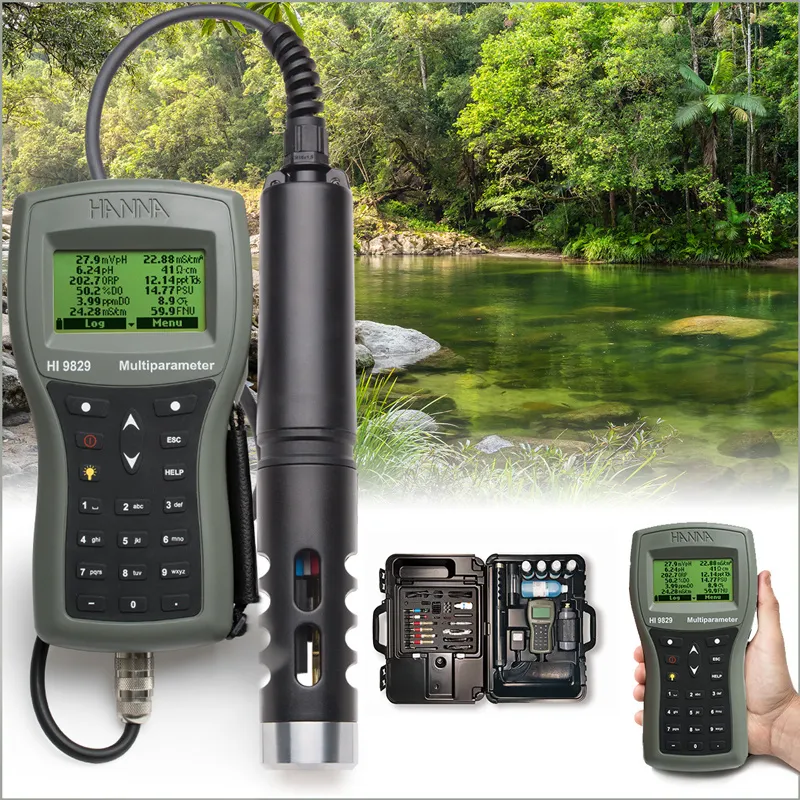
Water is an essential resource that supports human life, industrial development, agriculture, and environmental sustainability. Access to clean and safe water is necessary for maintaining public health and supporting economic growth. However, rapid industrialization, urban expansion, and environmental pollution have increased the risk of water contamination worldwide. As a result, accurate and continuous water monitoring has become more important than ever. One of the most advanced technologies developed for this purpose is the online water analyzer.
An online water analyzer is a modern instrument used to monitor water quality continuously and automatically. Unlike traditional testing methods that rely on manual sampling and laboratory analysis, online analyzers provide real-time measurements directly from water systems. These devices are widely used in industries, municipal water treatment plants, environmental monitoring programs, laboratories, and wastewater management facilities.
The growing demand for reliable water management has made online water analyzers an important part of modern infrastructure. Their ability to deliver immediate and accurate results helps organizations maintain safety standards, reduce operational costs, and protect natural resources.
Introduction to Online Water Analyzers
An online water analyzer is an automated monitoring system designed to measure specific water quality parameters continuously. The analyzer is connected directly to pipelines, tanks, or water systems, allowing it to analyze water without interruption.
The device uses advanced sensors and digital technology to detect physical and chemical properties of water. The collected data is processed electronically and displayed instantly on screens or computer systems. Many analyzers also transmit information to remote monitoring centers through wireless or internet-based networks.
These systems are capable of monitoring one or multiple parameters simultaneously. Because they provide continuous analysis, online water analyzers are highly effective in detecting sudden changes in water quality.
Importance of Real-Time Water Monitoring
Water quality can change rapidly due to pollution, chemical spills, industrial discharge, or environmental factors. Traditional laboratory testing methods are useful, but they often involve delays because samples must be collected and transported for analysis.
Online water analyzers eliminate this delay by providing immediate information about water conditions. Real-time monitoring offers several important benefits.
First, it helps protect human health by identifying contamination quickly. If harmful chemicals or bacteria enter a water supply, operators can respond immediately.
Second, continuous monitoring improves industrial performance. Many industries require controlled water conditions for manufacturing, cooling, and cleaning processes. Poor water quality can damage equipment and affect production quality.
Third, real-time monitoring supports environmental conservation by detecting pollution before it spreads to larger ecosystems.
Finally, automated monitoring reduces the need for manual sampling and improves overall operational efficiency.
How an Online Water Analyzer Works
An online water analyzer operates using sensors, electronic processing units, and software systems. Water flows continuously through the analyzer or across sensor surfaces.
Each sensor is designed to measure a specific property of the water. For example, a pH sensor measures acidity, while a dissolved oxygen sensor measures oxygen concentration. The sensors convert these measurements into electrical signals.
The analyzer processes the signals and displays the results digitally. Many systems store data automatically and generate reports for future analysis.
Advanced online analyzers can also be connected to automated control systems. If water quality changes beyond safe limits, the system may trigger alarms or automatically adjust treatment processes.
Key Parameters Measured
pH Level
The pH level indicates whether water is acidic, neutral, or alkaline. Balanced pH levels are important for drinking water safety and industrial operations.
Conductivity
Conductivity measures the concentration of dissolved ions in water. High conductivity may indicate the presence of salts, chemicals, or pollutants.
Dissolved Oxygen
Dissolved oxygen is essential for fish and aquatic organisms. Monitoring oxygen levels is important in environmental and aquaculture applications.
Turbidity
Turbidity measures the cloudiness of water caused by suspended particles. High turbidity often indicates contamination or poor filtration.
Chlorine Concentration
Chlorine is widely used in water disinfection. Online analyzers help maintain proper chlorine levels to ensure safe drinking water.
Total Dissolved Solids (TDS)
TDS measures dissolved substances such as minerals and salts. High TDS levels can affect water quality and industrial performance.
Chemical Pollutants
Advanced analyzers can detect chemicals such as ammonia, nitrate, phosphate, and heavy metals in water systems.
Types of Online Water Analyzers
Single-Parameter Analyzers
These systems monitor only one water quality parameter. They are useful in applications where specific measurements are required.
Multiparameter Analyzers
Multiparameter analyzers can measure several water properties simultaneously. These systems improve efficiency and reduce monitoring time.
Portable Online Analyzers
Portable analyzers are used for temporary monitoring in remote areas or field studies. They combine portability with real-time analysis capabilities.
Industrial Monitoring Systems
Industrial analyzers are designed for harsh operating environments and continuous usage. They are commonly found in factories and power plants.
Applications of Online Water Analyzers
Drinking Water Treatment
Municipal water treatment plants use online analyzers to monitor purification systems and ensure safe water distribution.
Industrial Manufacturing
Industries require controlled water quality for production processes. Online analyzers help maintain proper water conditions and protect equipment.
Wastewater Treatment Plants
Wastewater facilities monitor pollutants continuously to ensure treated water meets environmental standards before discharge.
Environmental Monitoring
Environmental organizations use online analyzers to monitor rivers, lakes, and oceans for pollution and ecological changes.
Power Generation
Power plants require pure water for boilers and cooling systems. Continuous monitoring prevents corrosion and scaling problems.
Aquaculture and Fisheries
Fish farms rely on stable water conditions for healthy aquatic life. Online analyzers help maintain oxygen levels, pH balance, and temperature.
Advantages of Online Water Analyzers
One of the greatest advantages of online water analyzers is continuous monitoring. Real-time analysis allows immediate detection of water quality changes.
Automation reduces manual labor and minimizes human error. This improves accuracy and operational efficiency.
Online analyzers also support cost savings by optimizing chemical use, reducing equipment damage, and improving treatment processes.
Another major benefit is remote monitoring. Operators can access data from computers, smartphones, or control centers located far from the water system.
These systems also improve environmental protection by enabling rapid responses to pollution incidents.
Challenges and Limitations
Although online water analyzers provide many benefits, they also have certain limitations. Advanced systems can be expensive to install and maintain.
Sensors require regular calibration, cleaning, and replacement to ensure accurate performance. Dirty sensors may produce incorrect readings.
Environmental conditions such as temperature changes, pressure variations, and chemical interference can affect measurement accuracy.
Additionally, some analyzers are designed for specific applications and may not detect all types of contaminants.
Future Trends in Online Water Analysis
Technology continues to improve water monitoring systems. Modern online analyzers are becoming smarter, more compact, and more energy-efficient.
Artificial intelligence and machine learning technologies are now being integrated into water analysis systems. These technologies can predict water quality problems and improve treatment efficiency.
Cloud computing and wireless communication allow remote monitoring and real-time data sharing across different locations.
In the future, online water analyzers are expected to become more affordable and widely available, making advanced water monitoring accessible to smaller industries and communities.
Conclusion
Online water analyzers are essential tools for maintaining water safety and quality in modern society. Their ability to provide real-time and continuous monitoring makes them highly valuable in industries, environmental protection programs, and water treatment systems.