Online School in India: A Flexible Approach to Modern Education
25 Views
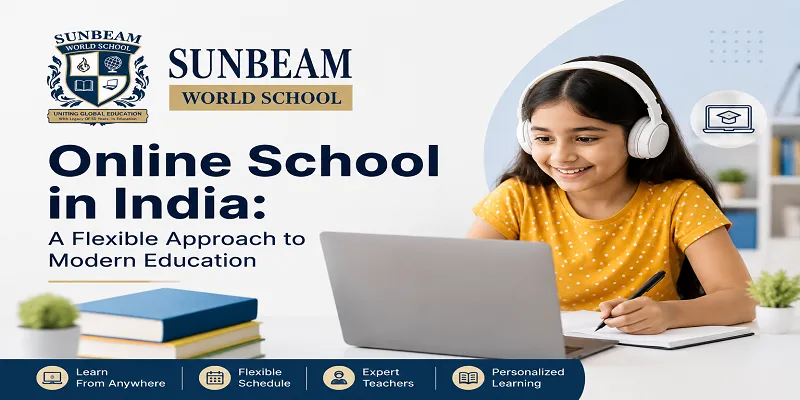
Education is changing rapidly, and technology is making quality learning accessible to students regardless of where they live. An online school in India allows students to attend classes, interact with teachers, complete assignments, and participate in assessments from the comfort of their homes. This flexible approach is becoming increasingly popular among families looking for alternatives to traditional schooling.
What Is an Online School?
An online school is an educational institution that delivers academic programs through digital platforms. Students attend live classes, access learning resources, complete assignments, and communicate with teachers online. Depending on the school, students may follow national or international curricula and receive structured academic support throughout the year.
Unlike simply watching recorded educational videos, a professional virtual school provides a structured learning environment where students can interact with teachers and classmates. Live lessons, discussions, projects, assessments, and feedback help create an engaging learning experience.
Why Choose an Online School in India?
There are several reasons why parents are considering an online school in India for their children. Flexibility is one of the biggest advantages. Students can learn from home without spending hours commuting to and from school.
Online learning can also be useful for families who travel frequently, live in different cities or countries, or prefer a more personalized learning environment. Students can maintain their education while managing sports, extracurricular activities, travel, or other commitments.
A well-designed online schooling progarm can provide a balance between academic structure and flexibility. Students still follow schedules, attend classes, complete coursework, and take assessments while enjoying the convenience of learning remotely.
Online School vs. Traditional School
Traditional schools provide face-to-face learning in a physical classroom, while an online school uses digital technology to deliver education. Both approaches have their advantages, and the right choice depends on the child's learning needs and the family's circumstances.
Online education can offer greater flexibility and access to teachers and learning resources from different locations. Students also develop important digital skills, time-management abilities, communication skills, and independent learning habits.
Parents should consider factors such as curriculum, teacher qualifications, student support, class size, assessment methods, technology, extracurricular opportunities, and the school's recognition before enrolling their child.
Is Home Schooling the Same as Online Schooling?
Home schooling and online schooling are related but are not exactly the same. In traditional homeschooling, parents or guardians usually take significant responsibility for planning and delivering the child's education.
With an online school, the school generally provides the curriculum, teachers, classes, assignments, assessments, and academic guidance. This can make online education a structured alternative for parents who want their children to learn from home without managing the entire educational program themselves.
For families searching for home school in India, an online school can therefore provide the benefits of learning from home while maintaining a formal academic structure.
The Benefits of Online Schooling
Modern online schooling can provide several benefits when it is properly designed and supported. Students can attend classes from almost anywhere with a reliable internet connection. Digital resources can also make lessons more interactive through videos, presentations, quizzes, simulations, and collaborative activities.
Another benefit is personalized learning. Students may receive additional support when they find a topic difficult and can progress through certain activities at a suitable pace. Regular communication between teachers, students, and parents can also help monitor academic progress. For families exploring online scholling, it is important to look beyond convenience and evaluate the overall quality of the educational experience.
Choosing the Right Online School
Choosing an Online School requires careful research. Parents should first understand their child's academic requirements and then compare schools based on curriculum, accreditation or recognition, teaching methodology, faculty, technology, student support, fees, and assessment systems.
It is also useful to understand how live classes work, how teachers communicate with students, and whether the school provides opportunities for collaboration and extracurricular development. Families considering online scholling should also check whether the program is suitable for their child's age, learning style, and future academic goals.
A Future-Ready Learning Experience
The growth of digital education is creating new possibilities for students across India and around the world. Whether a family is searching for online school in India, a virtual school, or a structured alternative to conventional education, online learning can provide flexibility while maintaining academic continuity.
Online schooling is not simply about studying through a computer. A successful program combines qualified teachers, structured curriculum, technology, personalized support, assessments, and meaningful interaction. With the right approach, an online school can help students develop academically while also preparing them with the digital skills and independence needed for the future.
Related Reading
Expert Insights: Navigating the Complex World of Education & Learning
Welcome to our in-depth exploration of Education & Learning. In an era defin...
Why Education & Learning is Transforming the Global Industry Landscape
Welcome to our in-depth exploration of Education & Learning. In an era defin...