Oil Refinery: How Modern Refineries Turn Crude Oil Into Essential Products
By Rahul Rana
5 Views
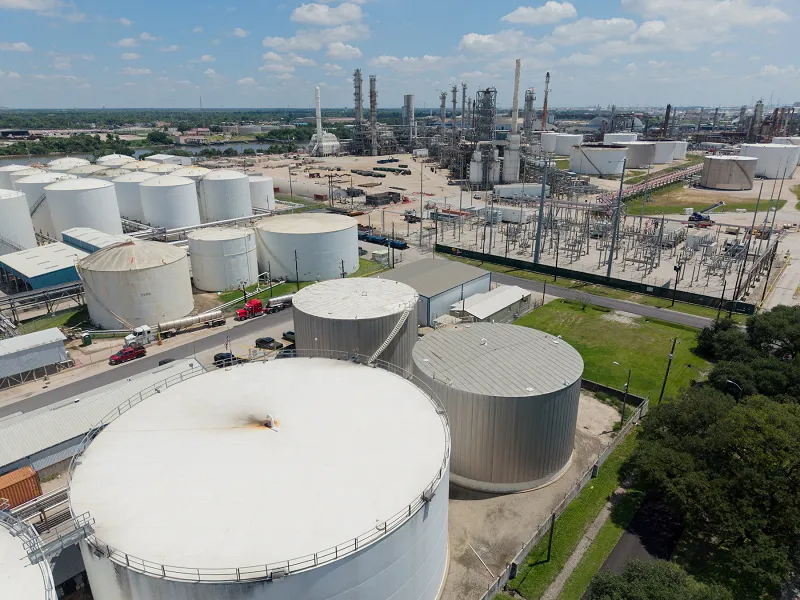
An oil refinery is one of the most important facilities in the energy industry. It takes crude oil, a naturally occurring mixture of hydrocarbons, and processes it into useful fuels and other petroleum products. From petrol and diesel to aviation fuel, LPG, lubricants, and industrial feedstocks, refinery operations support transportation, manufacturing, agriculture, and many everyday activities. Modern refineries are much more than large industrial plants. They combine advanced processing units, automation, safety systems, environmental controls, and skilled teams to produce high-quality fuels efficiently. Understanding how an oil refinery works also gives us a clearer picture of how crude oil becomes the products used across homes, businesses, and industries.
What Is an Oil Refinery?
An oil refinery is an industrial facility designed to separate, convert, and improve the different components found in crude oil. Crude oil varies considerably depending on where it comes from, so refineries use different technologies and processing configurations to handle specific crude types.
The refining process generally begins with the separation of crude oil into different fractions based on their boiling points. This is followed by additional processing that changes the chemical composition of certain fractions, removes impurities, and improves product quality.
Common products produced by refineries include:
- Petrol and diesel
- Aviation turbine fuel
- LPG
- Naphtha
- Fuel oil
- Bitumen
- Lubricant-related feedstocks
- Petrochemical feedstocks
Because a refinery can produce several products from the same crude oil, it plays a central role in converting raw petroleum into commercially useful materials.
How Does an Oil Refinery Work?
The refining process involves several interconnected stages. While the exact configuration differs between facilities, the basic principles remain similar.
Crude Oil Distillation
The first major step is atmospheric distillation. Heated crude oil enters a distillation column, where different hydrocarbon fractions are separated according to their boiling ranges.
Lighter fractions rise toward the upper sections of the column, while heavier materials remain lower down. These separated streams then move to other processing units for further treatment.
Conversion Processes
Distillation alone doesn't produce all the fuels required by modern markets. Conversion units are therefore used to transform heavier hydrocarbon molecules into lighter, more valuable products.
Processes such as catalytic cracking, hydrocracking, and reforming can improve the yield and quality of fuels. These technologies allow refineries to respond to changing demand for transportation fuels and other petroleum products.
Treating and Blending
Refinery streams may contain sulfur and other unwanted compounds that need to be removed or reduced. Treating processes help meet product specifications and environmental requirements.
After processing, different components can be blended in carefully controlled proportions to produce finished fuels with the required characteristics. Quality testing is an important part of this stage.
Why Oil Refineries Matter to the Energy Industry
Refineries help bridge the gap between crude oil production and the fuels consumed by end users. Without refining, crude oil could not simply be used directly in most modern engines and applications.
A well-designed refinery can also improve resource utilization by converting different crude fractions into a range of products. Its operations influence fuel availability, industrial supply chains, transportation, and the broader economy.
In India, refining capacity is particularly significant because the country has a large and growing demand for transportation fuels and energy-related products. Companies operating in the sector continue to invest in technology, efficiency, reliability, and environmental performance.
For readers interested in learning more about an Indian energy company and its operations, the HMEL website provides information about its business, facilities, products, and activities.
Technology and Efficiency in Modern Refineries
Modern refineries increasingly rely on automation, process monitoring, data analysis, and advanced control systems. These technologies can help operators maintain stable production while improving energy efficiency and product consistency.
Energy consumption is a major consideration because refining crude oil involves substantial heating, cooling, compression, and separation. Improving heat integration, recovering waste energy, optimizing process conditions, and upgrading equipment can reduce overall energy requirements.
Digital technologies are also becoming more useful. Predictive maintenance systems can identify potential equipment problems before they cause significant downtime. Advanced analytics can help teams monitor operating conditions and make better decisions.
These improvements are valuable not only for productivity but also for operational reliability and long-term competitiveness.
Safety and Environmental Responsibility
An oil refinery handles flammable hydrocarbons, high temperatures, high pressures, and complex chemical processes. Safety therefore has to be built into every part of refinery operations.
Refineries use systems such as emergency shutdown mechanisms, fire detection and suppression equipment, pressure-relief devices, gas monitoring, and strict operating procedures. Regular inspections, maintenance, employee training, and emergency preparedness are equally important.
Environmental management is another major area of focus. Modern facilities work to control emissions, treat wastewater, manage solid and hazardous waste, and improve energy efficiency. Cleaner fuels and improved processing technologies can also help reduce the environmental impact associated with petroleum products.
The industry is also exploring ways to lower greenhouse gas emissions through energy optimization, renewable power integration, carbon management, and other emerging approaches.
The Future of Oil Refining
The role of refineries is evolving as energy markets change. Transportation electrification, alternative fuels, renewable energy, and changing environmental regulations are influencing long-term investment decisions across the petroleum industry.
However, petroleum products continue to serve important roles in aviation, heavy transport, manufacturing, construction, agriculture, and petrochemicals. This means refining is likely to remain relevant while facilities gradually adapt to new market conditions.
Future-ready refineries will likely focus on greater efficiency, digitalization, cleaner operations, flexible production, and integration with broader energy and petrochemical systems. The ability to process different feedstocks and respond quickly to changing product demand may also become increasingly valuable.
Conclusion
An oil refinery is a sophisticated industrial facility that transforms crude oil into fuels, feedstocks, and other products used throughout the economy. From crude distillation and conversion to treating, blending, quality control, and distribution, every stage requires specialized technology and careful management.
As energy needs evolve, refineries will face new challenges and opportunities. Continued investment in efficiency, safety, digital systems, and environmental performance can help the refining industry remain reliable while adapting to a changing energy landscape. For businesses and consumers alike, understanding how an oil refinery operates offers useful insight into the complex journey from crude oil to the products that support modern life.
Related Reading
Top 10 Hidden Secrets About Business & Finance You Need to Know
Welcome to our in-depth exploration of Business & Finance. In an era defined...
Why Business & Finance is Transforming the Global Industry Landscape
Welcome to our in-depth exploration of Business & Finance. In an era defined...