Oil and Gas CNC Machining for High-Pressure and Harsh Environments
By Imathew
156 Views
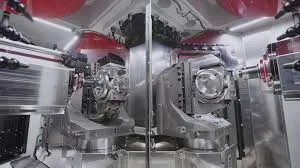
The oil and gas industry operates in some of the most extreme environments on Earth, from deep-sea drilling sites to high-temperature desert rigs. In these demanding conditions, precision, durability, and reliability are non-negotiable. This is where oil and gas CNC machining plays a crucial role. By leveraging advanced computer numerical control (CNC) technology, manufacturers can produce high-performance components that withstand intense pressure, corrosion, and wear.
In this article, we explore how oil and gas CNC machining supports operations in high-pressure and harsh environments, highlighting its benefits, materials, processes, and future potential.
Understanding the Demands of Harsh Oil and Gas Environments
Oil and gas operations are often conducted under extreme physical and chemical conditions. Equipment must endure high pressures, fluctuating temperatures, and exposure to corrosive substances like saltwater and hydrogen sulfide. These factors make component failure not just costly, but potentially dangerous.
To meet these challenges, oil and gas CNC machining is used to create components with exceptional strength and precision. From valves and pumps to drilling tools, CNC-machined parts are engineered to perform reliably even in the toughest environments.
Key environmental challenges include:
- Extreme pressure levels in deep drilling operations
- High temperatures in both offshore and onshore rigs
- Corrosive exposure from chemicals and saltwater
- Mechanical stress from continuous operation
The Role of CNC Machining in Oil and Gas Applications
CNC machining enables manufacturers to produce complex components with tight tolerances and consistent quality. In the oil and gas sector, this precision ensures that every part fits perfectly and functions efficiently, reducing the risk of leaks or mechanical failure.
Moreover, oil and gas CNC machining supports both prototyping and large-scale production. Whether developing custom components for specialized equipment or mass-producing standard parts, CNC technology offers flexibility and scalability.
Applications of CNC machining in oil and gas include:
- Drilling equipment components
- Valve bodies and fittings
- Pump housings and impellers
- Pipeline connectors and flanges
Materials Used in Oil and Gas CNC Machining
Selecting the right materials is essential for components that must withstand harsh conditions. CNC machining allows for the precise shaping of high-performance materials that offer strength, corrosion resistance, and thermal stability.
Common materials used in oil and gas CNC machining include stainless steel, titanium, and specialized alloys such as Inconel. These materials are chosen for their ability to maintain structural integrity under stress and resist degradation over time.
Popular materials include:
- Stainless steel for corrosion resistance
- Titanium for strength-to-weight ratio
- Inconel for high-temperature applications
- Carbon steel for durability and cost-effectiveness
Precision and Quality Control in CNC Machining
Precision is critical in oil and gas operations, where even a minor defect can lead to significant issues. CNC machining ensures that every component is manufactured to exact specifications, reducing the margin for error.
Advanced quality control measures are integrated into the oil and gas CNC machining process. These include automated inspections, real-time monitoring, and rigorous testing to ensure that each part meets industry standards and safety requirements.
Quality control practices include:
- Computer-aided design (CAD) verification
- In-process inspection and measurement
- Non-destructive testing (NDT) methods
- Final performance and durability testing
Advantages of CNC Machining for High-Pressure Applications
CNC machining offers several advantages that make it ideal for high-pressure and harsh environments in the oil and gas industry. Its ability to produce highly accurate and durable components ensures reliable performance in critical applications.
Additionally, oil and gas CNC machining improves efficiency by reducing production time and minimizing material waste. This not only lowers costs but also supports sustainable manufacturing practices.
Key advantages include:
- High precision and repeatability
- Enhanced durability and performance
- Reduced production errors
- Faster turnaround times
Conclusion
In the demanding world of oil and gas, where equipment must perform flawlessly under extreme conditions, oil and gas CNC machining stands as a cornerstone of modern manufacturing. Its ability to produce high-quality, durable, and precise components ensures operational safety and efficiency in even the harshest environments.
As technology continues to evolve, CNC machining will play an increasingly important role in advancing the oil and gas industry. By embracing innovative materials, automation, and quality control techniques, manufacturers can continue to meet the challenges of high-pressure applications and drive the sector forward with confidence.