NYC Marathon Weekend and Major Event Days: How Local Businesses Should Prepare Their Website and App
By Noah Jones
63 Views
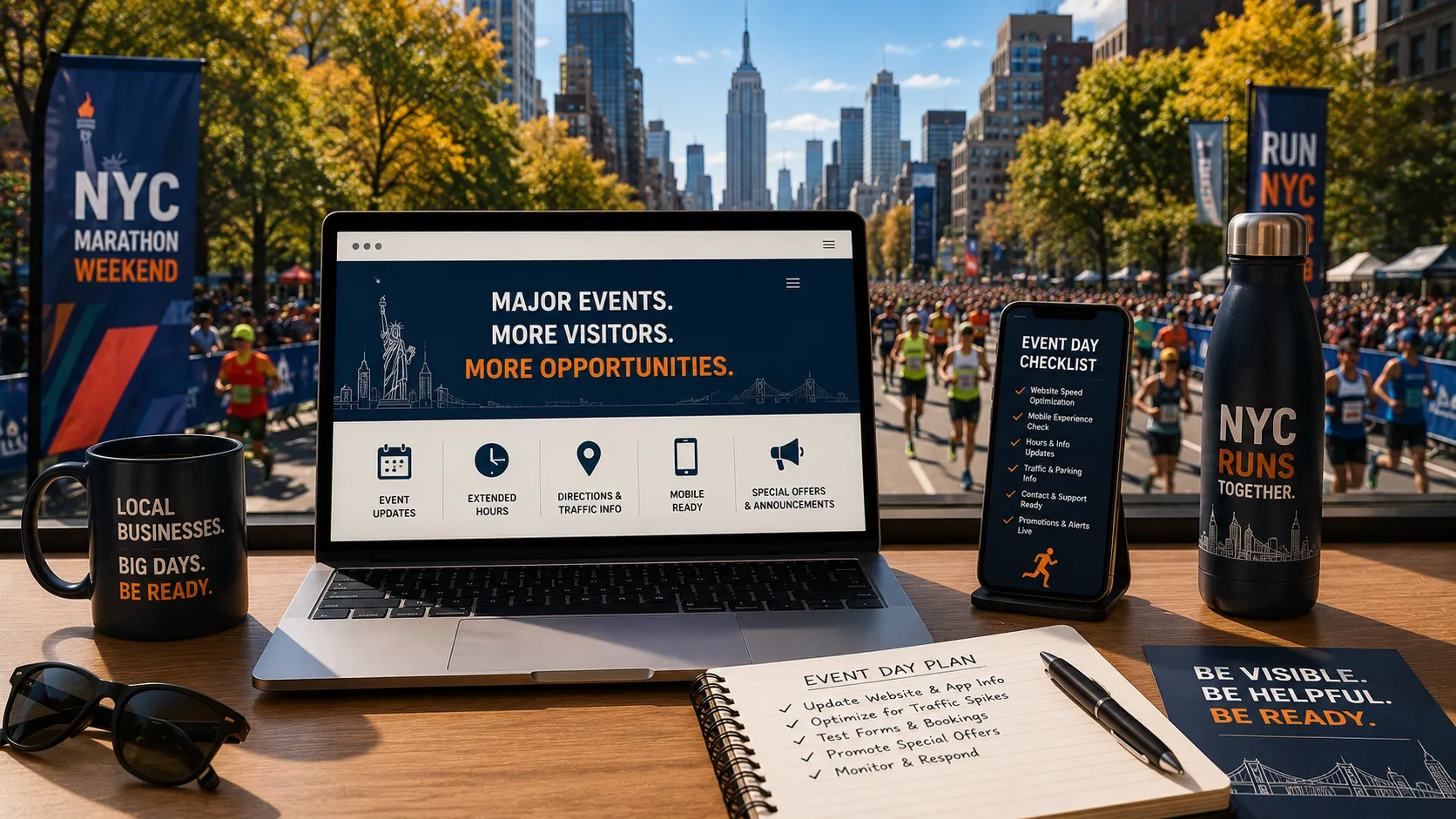
Roughly 2 million spectators line the streets of all five boroughs every first Sunday of November for the TCS New York City Marathon, a single-day concentration of foot traffic that most local businesses never experience at any other point in the year. Add in over 59,000 finishers, thousands of volunteers, and the friends and family accompanying runners from 132 countries, and you have one of the most significant, predictable local demand spikes on New York's entire calendar. Being genuinely ready for it, not just physically, but digitally, is exactly the kind of event-specific readiness worth building with a software development company in New York businesses trust before race weekend actually arrives.
The Scale Is Genuinely Enormous, and It's Growing
The marathon has become a full-scale economic event in its own right. New York Road Runners, the nonprofit organizing the race, generated over $117 million in revenue in a recent year, and demand for entry keeps climbing: more than 240,000 people applied for the 2026 race, with an acceptance rate now lower than every Ivy League school's admission rate. The course itself is genuinely unique among major marathons; it's the only one covering all five boroughs in a single morning, meaning the economic and foot-traffic impact isn't concentrated in one neighborhood; it ripples across Staten Island, Brooklyn, Queens, the Bronx, and Manhattan over the course of a single morning.
This Isn't Just a Marathon-Adjacent Business Opportunity
It's easy to assume this kind of event mainly benefits running stores and sports bars along the course, but the practical reality is broader. Road closures affect businesses well beyond the immediate route, hotel occupancy rises across the city (not just near the finish line) as runners and spectators from around the world book rooms, and restaurants, cafes, and retail throughout affected neighborhoods see meaningful shifts in both foot traffic and typical customer behavior for the entire weekend, not just race day itself.
What This Means for Your Website and App Specifically
Road closure and access information needs to be genuinely current and easy to find. The marathon route closes from early morning through the afternoon, and businesses anywhere near the course should have clear, accurate information about how customers can actually reach them that day, alternate entrances, nearby open streets, or simply clear communication about modified hours if access is genuinely difficult. A customer trying to find your business on marathon day and hitting an outdated Google listing or an unclear website is a lost customer, not a minor inconvenience.
Booking and reservation systems need real capacity planning, similar to the concentrated demand patterns covered in broader tourism season planning. A restaurant or venue relying on phone reservations alone may struggle to keep up with the volume of people trying to book around the event, while a well-built online booking system can absorb that surge smoothly.
Mobile readiness matters even more than usual on event days. Spectators and runners are moving through the city on foot, checking their phones for nearby options in real time; a slow-loading website or a confusing mobile experience loses that customer to whichever nearby business loads faster and looks more clearly open and accessible.
The Broader Pattern: NYC's Calendar Is Full of These Moments
The marathon is the most visible example, but it's far from the only major concentrated-demand event on New York's calendar; Fashion Week, Pride, and other large citywide events each create their own version of this same pattern: a predictable, dateable surge in foot traffic and search activity concentrated in specific neighborhoods and specific days. The broader lesson applies across all of them: businesses that treat these events as knowable, plannable moments, updating hours, preparing booking systems, and ensuring digital information is accurate ahead of time, capture meaningfully more of the available opportunity than businesses that experience the day reactively, discovering the surge (or the access challenges) only once it's already happening.
What Preparation Actually Looks Like in Practice
- Update your Google Business Profile with accurate hours and any access notes specific to the event, done well ahead of the actual date, not scrambled together the morning of
- Confirm your booking or reservation system can handle a genuine demand spike, given how concentrated this kind of event-driven traffic tends to be within a narrow window
- Prepare clear, mobile-friendly information about your location and access for people unfamiliar with your specific block who may be navigating around road closures for the first time
- Consider event-specific promotions or messaging if your business sits along or near the route, capturing spectators and participants who are actively looking for nearby food, drinks, or supplies during a long day on their feet
- Build a simple internal calendar of major citywide events relevant to your specific location, so this kind of preparation becomes a routine part of your operations rather than a one-off scramble each time
A Practical Starting Point
- Identify which major NYC events genuinely affect your specific location and customer flow, whether that's the marathon, Fashion Week, Pride, or another citywide moment, and build a simple recurring calendar around them.
- Update your digital hours and access information well before the event, not on the day itself when there's no time to fix an outdated listing.
- Stress-test your booking or reservation system against the kind of concentrated demand these events create, given how different this traffic pattern is from a typical day.
- Make sure your site and app are genuinely fast and clear on mobile, given how much of this event-driven traffic is people actively navigating the city on foot in real time.
FAQs
Does the marathon actually affect businesses that aren't directly on the race route?
Yes, meaningfully, road closures affect access well beyond the immediate route, and citywide effects like elevated hotel occupancy and shifted foot traffic patterns extend the impact considerably further than just the streets runners actually pass through.
How far in advance should I prepare my business's digital presence for an event like the marathon?
Ideally, weeks in advance, updating your Google Business Profile, confirming your booking system's capacity, and preparing any event-specific access information all benefit from being done well before race weekend, not scrambled together the day before or during the event itself.
Is this kind of event preparation only relevant for businesses very close to the race route?
Not necessarily. While businesses directly on the course see the most concentrated impact, citywide effects (increased hotel demand, general elevated tourism activity, shifted transit patterns) can affect businesses well beyond the immediate route, worth considering even if you're not directly along the course.
What other NYC events should businesses plan around similarly?
Fashion Week, Pride, and other major citywide events each follow a similar pattern of concentrated, dateable demand; building a simple internal calendar of events relevant to your specific business and location helps make this kind of preparation routine rather than reactive.
Should I offer special promotions during major events like the marathon, or just focus on operational readiness?
Both are worth considering; operational readiness (accurate hours, working booking systems, clear access information) is the foundation, but businesses along or near a major event's path can also benefit from event-specific promotions targeting the concentrated audience actively passing by.
Bottom Line
New York's major citywide events create genuine, predictable, datable demand spikes, and the businesses capturing the most value from them are the ones treating this as routine, plannable operational work rather than something to figure out reactively once the crowds have already arrived. This is exactly the kind of event-specific, seasonally aware readiness worth building with a software development company in New York businesses trust to make sure your digital presence actually works when the city's biggest days bring customers directly to your door.