Next Generation Cooling Solutions Driving Smarter Home Comfort Choices in 2026
By Gleason HVAC
143 Views
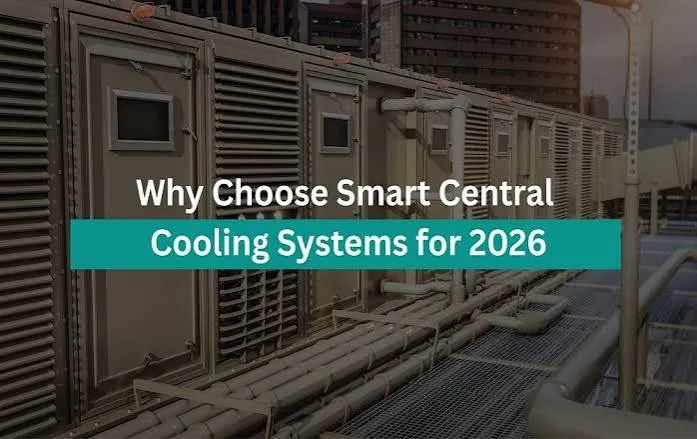
The residential cooling industry is experiencing a major transformation as homeowners seek more efficient, sustainable, and intelligent ways to maintain indoor comfort. Rising energy costs, stricter efficiency regulations, and advances in smart home technology are influencing purchasing decisions across the country. In 2026, homeowners are no longer waiting for complete system failures before upgrading. Instead, they are proactively investing in modern cooling solutions that offer better performance, lower operating costs, and enhanced reliability.
As technology continues to evolve, replacing an aging cooling system has become an opportunity to improve overall home efficiency and future-proof residential properties. Today's innovations are making it easier than ever for homeowners to enjoy greater comfort while reducing environmental impact.
The Shift Toward Smarter Cooling Systems
One of the most significant trends in 2026 is the widespread adoption of intelligent climate control technologies. Modern air conditioning systems are equipped with advanced sensors, adaptive controls, and connectivity features that optimize performance in real time.
Unlike traditional units that operate at a fixed output, many new systems can automatically adjust cooling levels based on indoor conditions, occupancy patterns, and weather forecasts. This dynamic operation minimizes energy waste while maintaining consistent comfort throughout the home.
Smart integrations are also becoming standard. Homeowners can now control cooling settings remotely, receive maintenance alerts, and monitor energy consumption through user-friendly mobile applications. These features provide greater visibility into system performance and help homeowners make informed decisions regarding energy usage.
Why Homeowners Are Prioritizing System Upgrades
Several factors are driving increased interest in air conditioning replacement projects. One major reason is the growing emphasis on energy efficiency. Older systems often consume significantly more electricity than modern high-efficiency models, leading to higher utility costs and reduced performance.
In addition to energy savings, homeowners are seeking improved reliability. Aging equipment typically requires more frequent repairs and may struggle to maintain consistent temperatures during periods of extreme weather. Replacing outdated systems with advanced technology helps eliminate these concerns while delivering a more comfortable indoor environment.
Another important factor is environmental responsibility. Many homeowners are choosing equipment designed to reduce energy consumption and support broader sustainability goals. Manufacturers are responding by developing systems that meet stringent efficiency standards while maintaining exceptional cooling performance.
Advances in Energy Efficiency Technology
Energy efficiency remains one of the most influential trends shaping the cooling industry. Variable-speed compressors, inverter technology, and advanced airflow management systems are helping homeowners achieve significant reductions in energy usage.
Variable-speed technology allows cooling systems to operate at different capacities depending on demand. Instead of continuously cycling on and off, the system adjusts output gradually, resulting in smoother operation and reduced wear on components. This approach improves comfort while lowering overall energy consumption.
Manufacturers are also leveraging artificial intelligence to optimize system performance. AI-driven algorithms can analyze operating patterns and automatically make adjustments that enhance efficiency without sacrificing comfort. These innovations represent a major step forward in residential climate control.
The Growing Role of Indoor Air Quality
Homeowners are increasingly viewing cooling systems as part of a broader indoor wellness strategy. As awareness of indoor air quality grows, many modern systems incorporate advanced filtration, humidity control, and air purification capabilities.
Improved filtration helps capture airborne particles, while humidity management contributes to a healthier and more comfortable living environment. Some systems even integrate with whole-home air purification technologies, providing an additional layer of protection against indoor contaminants.
This focus on healthier indoor spaces has become especially important as more people spend significant amounts of time working and learning from home. As a result, cooling upgrades are often evaluated not only for temperature control but also for their ability to support overall indoor comfort and well-being.
Sustainability and Future-Ready Homes
Sustainability continues to influence residential upgrade decisions throughout 2026. Homeowners are increasingly interested in systems that align with long-term environmental objectives while delivering strong financial returns.
Many manufacturers are introducing equipment that uses environmentally responsible refrigerants and incorporates recyclable materials. These advancements help reduce the environmental footprint of residential cooling while ensuring compliance with evolving regulations.
Renewable energy integration is another growing trend. Modern cooling systems are being designed to work more effectively alongside solar energy solutions and smart electrical grids. This compatibility helps homeowners maximize energy independence and reduce reliance on traditional power sources.
Planning for Long-Term Value
When evaluating upgrade options, homeowners are placing greater emphasis on total lifecycle value rather than upfront costs alone. Factors such as maintenance requirements, energy savings, warranty coverage, and technological adaptability are becoming increasingly important.
Investing in air conditioning replacement today provides access to features that may not have existed just a few years ago. Smart diagnostics, predictive maintenance capabilities, and adaptive performance controls contribute to lower ownership costs and improved system longevity.
As cooling technology continues to evolve, future-ready systems will play an increasingly important role in residential comfort strategies. Homeowners who embrace modern solutions can benefit from enhanced efficiency, greater reliability, and improved indoor living conditions for years to come.
Conclusion
The cooling industry is entering a new era defined by intelligence, sustainability, and efficiency. In 2026, homeowners are recognizing that upgrading aging systems is not simply about replacing equipment it is about creating a smarter, healthier, and more resilient home environment.
With innovations ranging from artificial intelligence and variable-speed operation to advanced air quality management and renewable energy compatibility, modern cooling systems are delivering unprecedented value. As these technologies continue to advance, investing in high-performance solutions will remain one of the most effective ways to enhance comfort, reduce energy consumption, and prepare homes for the future.
Related Reading
Expert Insights: Navigating the Complex World of Home Improvement
Welcome to our in-depth exploration of Home Improvement. In an era defined by ra...
Why Home Improvement is Transforming the Global Industry Landscape
Welcome to our in-depth exploration of Home Improvement. In an era defined by ra...