NASH Treatment in India: Latest Treatment Options and Recovery Guide
74 Views
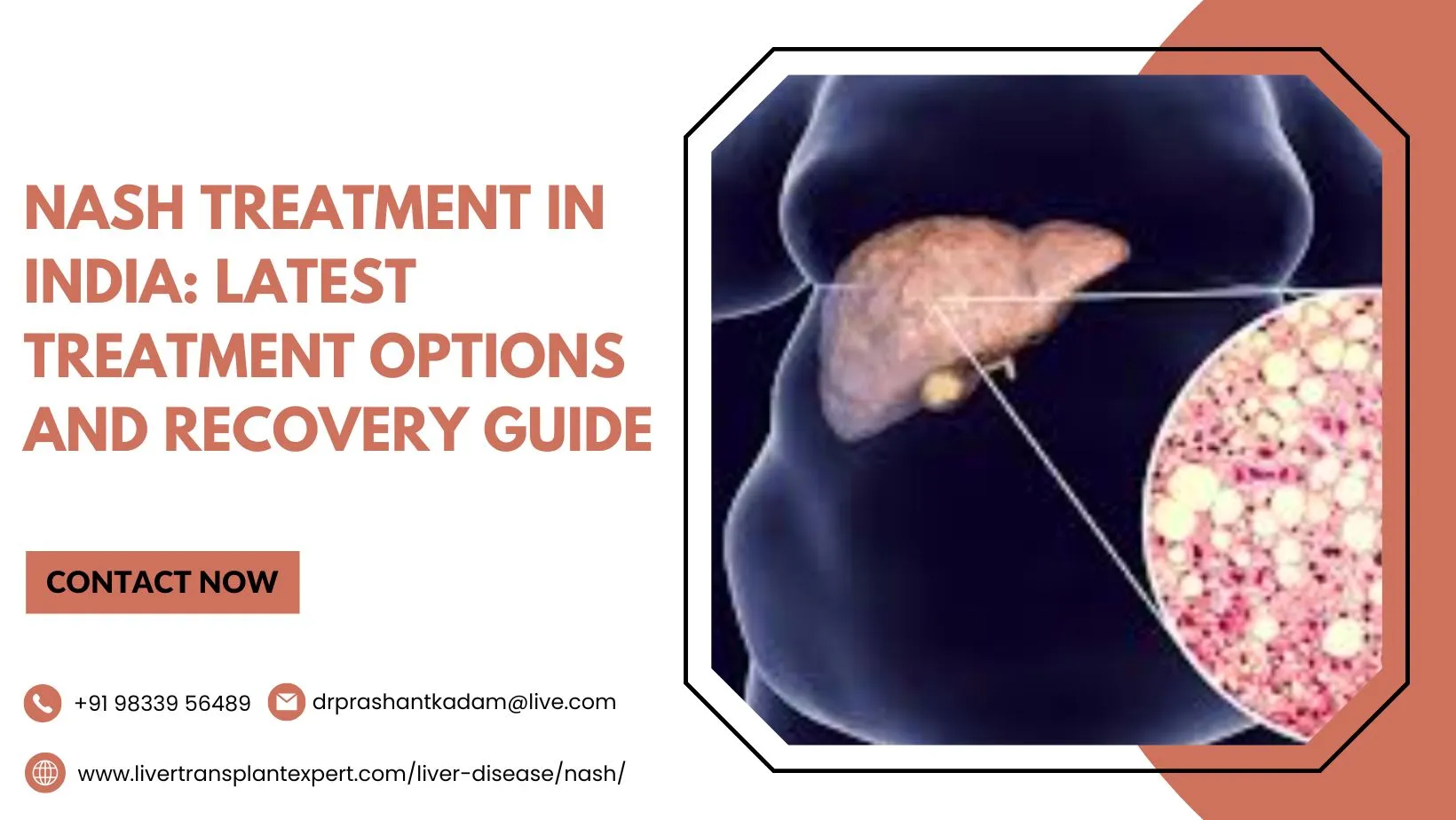
Non-alcoholic steatohepatitis (NASH), now increasingly referred to as metabolic dysfunction-associated steatohepatitis (MASH), is a progressive form of fatty liver disease that can lead to liver scarring, cirrhosis, liver failure, and even liver cancer if left untreated. As obesity, diabetes, and metabolic syndrome become more common, the number of people seeking NASH Treatment in India continues to grow. Early diagnosis and timely treatment play an important role in preventing permanent liver damage and improving long-term health.
Understanding NASH and MASH
NASH is an advanced stage of fatty liver disease where excess fat in the liver causes inflammation and damage to liver cells. The term MASH is the newer medical name used by many healthcare organizations to describe the same condition while emphasizing its link to metabolic health.
Unlike liver disease caused by excessive alcohol intake, NASH develops in people with metabolic risk factors. Without proper treatment, ongoing inflammation may gradually replace healthy liver tissue with scar tissue, reducing the liver's ability to function normally.
What Causes NASH?
Understanding What Causes NASH is essential for preventing disease progression. Most cases develop because of multiple metabolic factors rather than a single cause.
Common causes include:
- Obesity or excess body weight
- Type 2 diabetes
- High cholesterol and triglycerides
- Insulin resistance
- High blood pressure
- Metabolic syndrome
- Sedentary lifestyle
- Poor dietary habits rich in processed foods and sugary drinks
Although these factors increase the risk, some people with a healthy body weight may also develop NASH due to genetic or metabolic reasons.
Symptoms of NASH
One of the biggest challenges is that the Symptoms of NASH often remain unnoticed during the early stages. Many individuals do not experience obvious symptoms until significant liver damage has already occurred.
Possible symptoms include:
- Persistent fatigue
- Discomfort or pain in the upper right abdomen
- Unexplained weakness
- Enlarged liver
- Unintentional weight loss in advanced disease
- Swelling of the abdomen or legs in cirrhosis
- Yellowing of the skin and eyes in severe liver disease
Because symptoms may be mild or absent, regular health check-ups are important for people with diabetes, obesity, or metabolic syndrome.
Diagnosis and Evaluation
Accurate diagnosis helps determine the severity of liver damage and guides treatment decisions. Doctors usually begin with a detailed medical history, physical examination, and blood tests to evaluate liver function.
Additional investigations may include liver ultrasound, FibroScan, MRI, CT scan, or specialized blood markers to assess liver fibrosis. In selected cases, a liver biopsy may still be recommended to confirm the diagnosis and evaluate the extent of inflammation and scarring.
NASH Treatment in India
Modern NASH Treatment in India focuses on slowing disease progression, reducing liver inflammation, managing metabolic conditions, and preventing complications. Treatment plans are individualized according to the stage of liver disease and the patient's overall health.
Lifestyle Modification
Lifestyle changes remain the foundation of treatment. Doctors commonly recommend gradual weight loss, regular physical activity, and a balanced diet rich in vegetables, fruits, whole grains, lean protein, and healthy fats. Limiting processed foods, sugary beverages, and excess calories can significantly improve liver health.
Medical Management
Although lifestyle modification remains the primary treatment, medications may be prescribed to manage diabetes, high cholesterol, obesity, or other metabolic disorders. In some patients, newer therapies approved for appropriate clinical use may also be considered under specialist supervision.
Monitoring Liver Health
Regular follow-up allows doctors to monitor liver function, assess fibrosis progression, and adjust treatment plans when necessary. Early intervention helps reduce the risk of cirrhosis and liver-related complications.
When Is Liver Transplant Needed?
Most people with NASH respond well to lifestyle modification and medical management when diagnosed early. However, advanced cirrhosis or liver failure may require liver transplantation.
Evaluation for transplantation depends on liver function, complications, overall health, and quality of life. Modern liver transplant programs in India follow internationally accepted clinical guidelines to ensure patient safety and long-term outcomes.
Choosing the Right Liver Specialist in India
Managing NASH requires expertise from an experienced Liver Specialist in India who understands metabolic liver disease and advanced hepatobiliary care. Early consultation helps identify the disease before irreversible liver damage develops and ensures appropriate long-term monitoring.
Patients with advanced liver disease or those requiring complex surgical care may benefit from evaluation by an experienced liver transplant and HPB surgeon.
Expert Care by Dr Prashant Kadam
Dr Prashant Kadam is an internationally trained liver transplant and Hepato-Pancreato-Biliary (HPB) surgeon with expertise in advanced liver diseases, liver transplantation, and complex hepatobiliary surgery. Patients with progressive NASH-related liver disease can benefit from comprehensive evaluation, evidence-based treatment planning, and multidisciplinary care tailored to their individual condition.
Conclusion
Early diagnosis and timely NASH Treatment in India can help prevent irreversible liver damage and improve long-term liver health. Understanding What Causes NASH, recognizing the Symptoms of NASH, and adopting healthy lifestyle changes are essential steps toward effective disease management. With guidance from an experienced Liver Specialist in India and appropriate medical care, many patients can successfully slow disease progression and maintain a better quality of life. Advanced cases should receive specialist assessment to determine whether liver transplantation or other advanced treatments are necessary, ensuring care that aligns with established international clinical guidelines.