Mysore Horse Race Card Guide: How to Read Race Cards Like a Pro
By RaceBuzz
38 Views
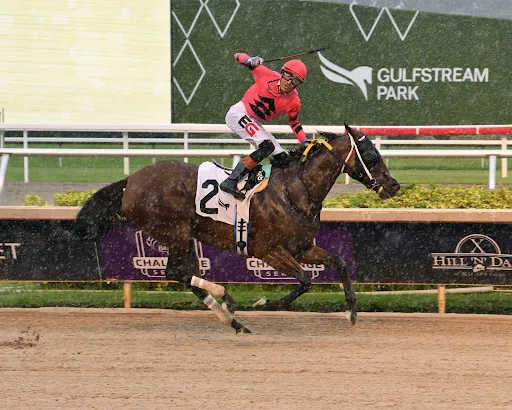
Horse racing remains one of India's most historic and widely followed equestrian sports, attracting enthusiasts who closely monitor race schedules, horse performances, and racing statistics. Among the essential tools used by racing followers is the Mysore horse race card, which provides comprehensive information about upcoming races, participating horses, jockeys, trainers, and race conditions. Understanding how to read and interpret a race card can significantly enhance a person's knowledge of horse racing and improve race-day analysis.
Whether you are a beginner exploring racing for the first time or an experienced follower of the sport, learning how to analyze a Mysore horse race card can provide valuable insights into the factors that influence race outcomes. Race cards serve as a detailed roadmap for each racing event and help enthusiasts make informed assessments before a race begins.
What Is a Mysore Horse Race Card?
A race card is an official document that contains detailed information about every race scheduled during a race meeting. The Mysore horse race card lists all participating horses and provides important data that can be used to evaluate their chances in a race.
A typical race card includes:
- Race number and race name
- Scheduled race time
- Race distance
- Horse names
- Jockey details
- Trainer information
- Assigned weights
- Ratings
- Previous race performances
- Equipment information
This information allows racing enthusiasts to compare competitors and better understand the overall competitiveness of each race.
Why Race Cards Are Important
Understanding the Field
One of the primary purposes of a Mysore horse race card is to provide a complete overview of all runners in a race. By examining the field, followers can identify strong contenders and evaluate how different horses compare against one another.
Reviewing Recent Form
Past performance records are among the most valuable sections of a race card. They show how a horse has performed in previous races and can help indicate current form.
Key factors often reviewed include:
- Finishing positions
- Winning margins
- Quality of competition
- Distance performance
- Consistency
Horses showing steady improvement may attract greater attention from analysts and racing enthusiasts.
Evaluating Jockey and Trainer Combinations
The relationship between a jockey and trainer can significantly influence race performance. Successful partnerships often produce consistent results, making this information useful when analyzing race cards.
Key Sections of a Mysore Horse Race Card
Horse Ratings
Ratings are numerical assessments of a horse's racing ability. These figures help compare competitors and are often used when assigning weights in handicap races.
A horse with a higher rating may carry additional weight to create a more balanced competition.
Weight Assignments
Weight is a crucial factor in horse racing. Every race card specifies the amount of weight each horse must carry during the race.
Small differences in weight can influence performance, particularly over longer distances where stamina becomes increasingly important.
Distance Information
Race distance plays a major role in determining race outcomes. Different horses perform best at different distances.
Common categories include:
Sprint Races
Usually run over shorter distances and favor horses with strong early speed.
Middle-Distance Races
Require a combination of speed and endurance.
Staying Races
Long-distance races reward stamina and efficient energy management.
A Mysore horse race card helps followers identify horses that have previously performed well over similar distances.
The Importance of Track Conditions
Track conditions can significantly affect race performance. Some horses perform better on firm surfaces, while others excel when the track becomes softer due to weather conditions.
When reviewing a race card, experienced followers often consider:
- Track condition history
- Weather forecasts
- Surface preferences
- Previous performances under similar conditions
Understanding these variables can provide a more complete picture of a horse's prospects.
Mysore's Significance in Indian Horse Racing
Mysore occupies a special place in Indian horse racing history. The Mysore Race Club has been conducting races for more than a century and remains one of the country's most respected racing institutions. Located against the scenic backdrop of Chamundi Hills, the racecourse hosts seasonal racing events that attract horses, trainers, and jockeys from various racing centers.
The continued popularity of Mysore horse race card publications reflects the strong interest in racing activities within the region. Racing enthusiasts regularly consult race cards to stay updated on upcoming contests and competitor information.
Technology and Modern Race Analysis
Digital technology has transformed the way race cards are accessed and analyzed. Modern racing platforms provide:
- Online race cards
- Live updates
- Performance statistics
- Historical race data
- Jockey records
- Trainer performance metrics
Advanced analytics and machine learning are also increasingly being used to identify racing trends and performance patterns. Researchers have explored how artificial intelligence can assist in evaluating race outcomes by analyzing large volumes of historical racing data.
Common Mistakes When Reading Race Cards
Ignoring Class Levels
A horse's recent results may appear impressive, but it is important to consider the quality of competition it faced.
Overlooking Distance Suitability
Strong performances at one distance do not always translate to success at another.
Focusing Only on Favorites
Favorites often receive significant attention, but race cards help identify other contenders that may be well suited to the race conditions.
Neglecting Trainer Form
A trainer's recent success rate can provide useful insights into the readiness of their horses.
Future of Race Cards in Horse Racing
As technology continues to evolve, race cards are becoming increasingly interactive and data-driven. Future developments may include:
- Real-time performance analytics
- AI-assisted race predictions
- Enhanced visual statistics
- Personalized race insights
Conclusion
A Mysore horse race card is one of the most valuable resources available to horse racing enthusiasts. By providing detailed information about horses, jockeys, trainers, race distances, ratings, and past performances, race cards help followers gain a deeper understanding of upcoming races. Learning how to interpret this information can significantly enhance race analysis and overall enjoyment of the sport. For enthusiasts following a horse race in Mysore, understanding race cards is essential for appreciating the strategy and preparation behind every competition. The insights gained from a well-prepared race card continue to make every Mysore horse race more engaging, informative, and enjoyable for racing fans. These innovations are expected to make racing information more accessible and easier to understand for both new and experienced followers.