Muddy Paws and Matted Fur: A Texas Owner's Guide to Keeping Your Dog Comfortable
29 Views
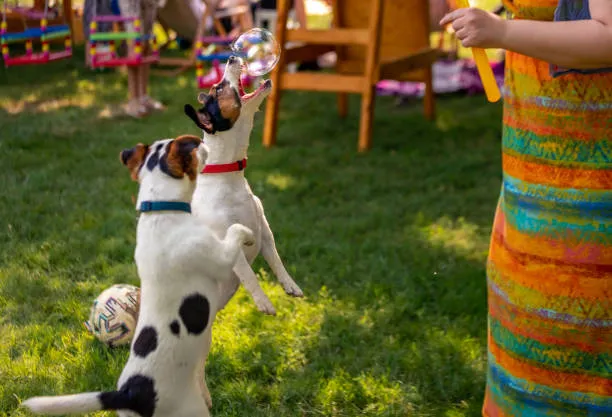
If you live in Texas, you already know what summer does to a dog. Walks get shorter, tongues get longer, and somehow the backyard dirt ends up on the couch anyway.
Heat, humidity, and all that outdoor fun are hard on a coat. A little professional help goes a long way, and so does knowing what to ask before you book.
Grooming Is Really About Health
People tend to think of grooming as the thing you do so your dog looks cute. It’s more useful than that.
Your groomer handles every inch of your dog on a regular schedule. Most of us never look that closely at home, so small problems get caught early.
What They Might Find
-
Lumps or bumps hiding under the fur
-
Fleas, ticks, or flea dirt near the tail
-
Red, damp patches called hot spots
-
Ears that smell off or look irritated
-
Nails so long they change the way your dog walks
A groomer can’t diagnose anything. They can tell you what they saw and suggest a call to your vet.
How to Pick Good Dog grooming TX Services
Texas coats take a beating. Long summers, humidity, grass seeds, and fleas that never quite go away all add up.
When you start looking at dog grooming TX options, don’t stop at the price list. Ask what a normal appointment looks like, start to finish. A good shop will be glad to explain.
A Standard Full Groom
-
A look at the coat, skin, and your dog’s mood
-
A full brush-out before the bath, since water makes mats tighter
-
A bath with shampoo made for dogs
-
Drying with someone watching the whole time
-
A trim that fits the breed and how you live
-
Nails, ears, and paw pads
About that shampoo: please don’t use your own. Dog skin is less acidic than ours, and human products can leave it dry and itchy.
Coats Are Not One-Size-Fits-All
A groomer who knows the difference between coat types will do a much better job.
-
Curly coats (poodles, doodles) never stop growing and tangle quickly.
-
Double coats (huskies, goldens) have a soft layer underneath and coarser hair on top.
-
Wiry coats (many terriers) often need hand-stripping to keep their texture.
-
Short coats don’t need much trimming, but their skin still needs checking.
The July Shave Question
Every summer, owners ask about shaving their husky or golden retriever. It seems logical, but it usually backfires. The undercoat helps insulate against heat, and a close shave leaves skin open to sunburn.
Regular brushing and a de-shedding bath work better. If you’re not sure, ask your vet.
What a Trustworthy Salon Looks Like
Texas doesn’t license groomers, so the homework falls to you. Here’s what to look for.
-
Proof of vaccines. Rabies is standard, and many shops want Bordetella too.
-
A clean space. Tools, tubs, and tables should be wiped down between dogs.
-
Patient hands. Rushed grooming means stressed dogs and more nicks.
-
Straight talk. If a coat is badly matted, a short cut can be kinder than hours of pulling.
-
Ongoing training. Pet first aid and grooming certifications help, though experience counts too.
Setting a Schedule
Every dog is different, so use these as rough starting points.
-
Short coats: every 8 to 12 weeks
-
Double coats: every 6 to 8 weeks
-
Curly coats: every 4 to 6 weeks
-
Nails: about every 3 to 4 weeks
If your dog has allergies or touchy skin, your vet may suggest something different.
Easy Things to Do at Home
-
Brush a few times a week, daily for long coats
-
Wipe paws after walks
-
Peek inside the ears weekly
-
Hand out treats while brushing so it becomes a good thing
-
Brush teeth, because everyone forgets this one
Before and After a Boarding Trip
Heading out for boarding or a group play day? A fresh groom first makes things easier. Short nails catch less, and a tidy coat tangles less during a busy few days.
A bath when you pick up is smart too. It gets the dirt off and lets you check for scrapes or sore spots.
Wrapping Up
A well-groomed dog feels better and is easier to keep healthy. Look for people who are gentle, honest, and don’t mind questions.
When you compare dog grooming TX providers, stop in and see the place yourself. Ask how they handle nervous dogs, then watch how yours reacts. A dog who trots out wagging is the best sign you’ve found the right spot.