What should you do before a Mounjaro injection?
7 Views
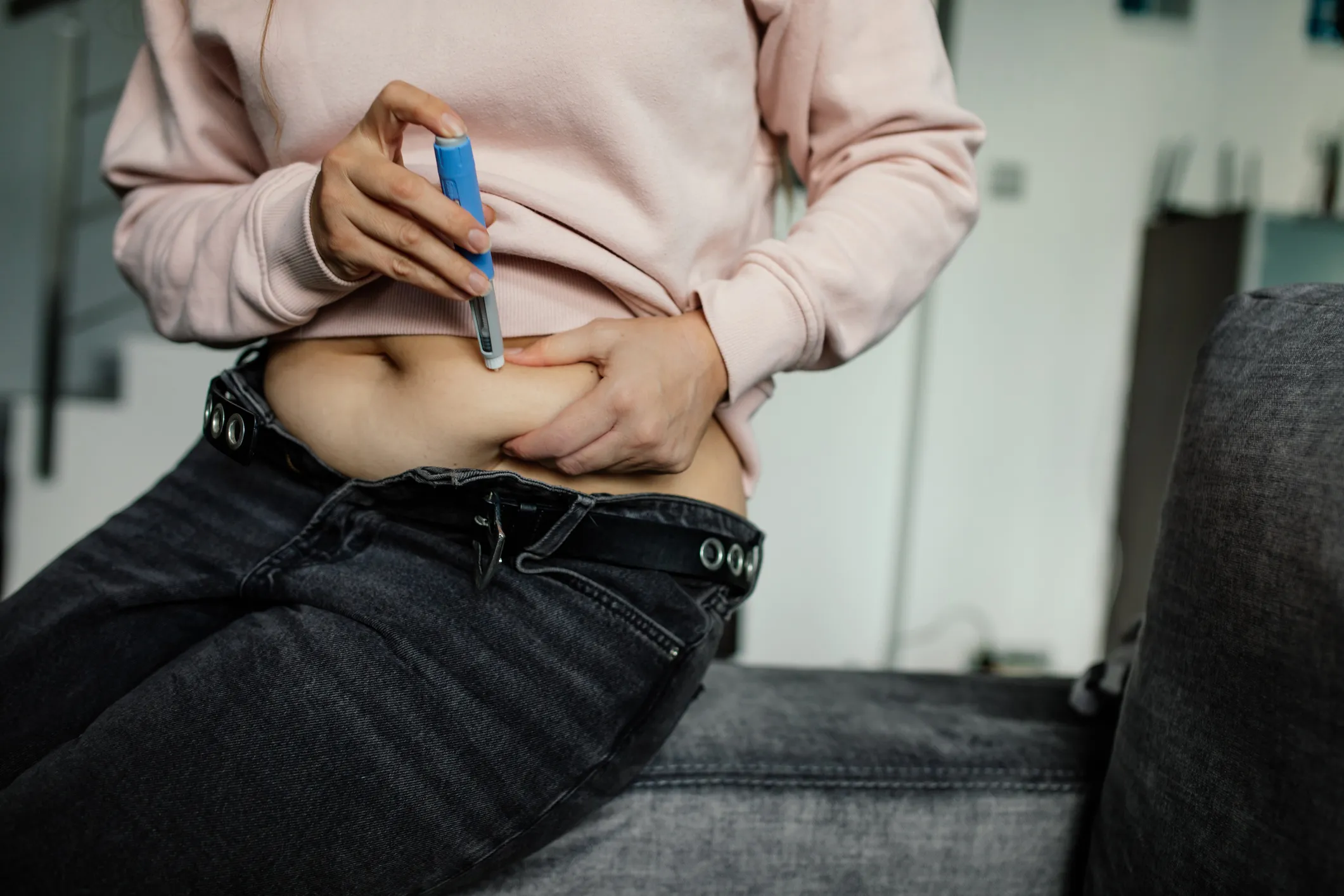
Mounjaro is a prescription medication used to improve blood sugar control in people with type 2 diabetes. Its active ingredient, tirzepatide, may also support weight management in eligible patients by helping regulate appetite, digestion, and blood glucose. Although the injection is usually given once a week, proper preparation is important for safe and effective use. People considering حقن مونجارو في دبي should receive clear instructions from a qualified healthcare professional before starting treatment.
Confirm Your Prescribed Dose:
The first step before a Mounjaro injection is to confirm the correct dose. Mounjaro is available in different strengths, and the prescribed amount depends on the patient’s health needs, response to treatment, and medical advice.
Do not increase the dose because you feel the medicine is not working quickly enough. Taking more than prescribed can increase the risk of nausea, vomiting, dehydration, and other complications. If you are unsure about the strength or timing of your injection, contact your healthcare provider or pharmacist before using the pen.
It is also helpful to follow a consistent weekly schedule. Taking the medicine on the same day each week can make it easier to remember the injection and maintain treatment consistency.
Wash Your Hands:
Clean hands help reduce the risk of transferring germs to the injection area. Wash your hands thoroughly with soap and water before preparing the pen.
Choose a clean, well-lit area where you can prepare the injection without rushing. Keep the pen, alcohol swab if recommended, and any other required supplies within reach. Avoid preparing the injection in an unclean environment or while distracted.
Good hygiene is especially important if the injection site is irritated, damaged, or exposed to dirt.
Check the Medication and Pen:
Before injecting, inspect the pen carefully. Check that the medicine is the correct product and strength and that it has not passed its expiry date. The pen should not be used if it is damaged, cracked, leaking, or appears to have been stored incorrectly.
The solution should be checked according to the product instructions. Do not use the medicine if it looks unusual, contains unexpected particles, or has changed in colour when it should be clear and colourless.
Never use a pen that belongs to another person, even if the needle or injection components are changed. Sharing pens can transmit infections and is unsafe.
Review Storage Conditions:
Mounjaro should be stored according to the manufacturer’s instructions. It is generally kept refrigerated, but it must not be frozen. Avoid exposing the pen to excessive heat, direct sunlight, or extreme temperatures.
If the pen has been frozen, overheated, or left outside the recommended storage conditions, ask a pharmacist or healthcare professional whether it is still safe to use. Do not assume that the medication is suitable simply because the liquid looks normal.
Proper storage helps maintain the medicine’s quality and effectiveness.
Choose an Appropriate Injection Site:
Mounjaro is injected under the skin. Common injection sites include the abdomen, thigh, or upper arm. The upper arm may be easier when another person administers the injection, depending on the product instructions.
Avoid injecting into skin that is bruised, swollen, tender, scarred, hardened, infected, or irritated. Choose a healthy area of skin instead.
Rotating injection sites can help reduce irritation and discomfort. If you usually inject into the abdomen, select a different nearby area each week rather than repeatedly using the exact same spot.
Your healthcare provider can demonstrate the correct injection technique and explain which sites are most suitable for you.
Prepare Your Skin:
Before the injection, check that the selected skin area is clean and dry. If your healthcare professional recommends an alcohol swab, allow the skin to dry before injecting.
Do not inject through clothing unless the product instructions specifically allow it. Avoid touching the cleaned area unnecessarily, as this may introduce bacteria.
If the injection site has a rash, wound, swelling, or unusual pain, choose another site and speak with your healthcare provider if the problem continues.
Check Your Health Before Injecting:
Pay attention to how you feel before taking Mounjaro. Mild tiredness or a temporary change in appetite may not prevent treatment, but certain symptoms require medical advice.
Contact your healthcare provider before injecting if you have persistent vomiting, severe diarrhea, significant abdominal pain, or signs of dehydration. These symptoms may make it harder to maintain fluid balance and could require assessment.
Severe or ongoing stomach pain, particularly if it spreads to the back, should be assessed urgently because it may indicate pancreatitis. Do not ignore serious symptoms simply because your injection is due.
You should also inform your healthcare provider about any new medicines, allergies, pregnancy, planned surgery, or recent medical diagnosis.
Understand Your Other Medicines:
Mounjaro may affect blood sugar, especially when used with insulin or certain diabetes medicines. Combining treatments can increase the risk of low blood sugar in some patients.
Before injecting, make sure you understand how Mounjaro fits into your complete treatment plan. Do not stop or change other medicines without professional advice.
Tell your doctor about all prescription medicines, over-the-counter products, vitamins, and supplements you use. This information helps the healthcare professional identify possible interactions and adjust treatment safely.
Follow the Injection Instructions:
Use the pen exactly as demonstrated by your healthcare professional and described in the official instructions. Do not attempt to modify the pen, reuse injection components, or share the device.
If you have never used Mounjaro before, ask for a demonstration. A healthcare professional can explain how to position the pen, activate the dose, and dispose of the device safely.
If the pen does not work as expected, do not repeat the injection immediately. Contact your healthcare provider or pharmacist for guidance.
Plan for After the Injection:
Before injecting, make sure you have enough time to complete the process calmly. Avoid rushing or injecting while travelling, driving, or handling other tasks.
Keep water available, particularly if you are prone to nausea or digestive symptoms. Eating smaller meals and avoiding very rich foods may help some people manage common side effects.
If you experience severe abdominal pain, persistent vomiting, difficulty breathing, facial swelling, fainting, or signs of severe dehydration after the injection, seek urgent medical help.
Frequently Asked Questions:
Should you eat before a Mounjaro injection?
Mounjaro can generally be taken with or without food. Follow your healthcare provider’s instructions and maintain regular, balanced meals unless advised otherwise.
Can you inject Mounjaro when you feel sick?
If you have significant vomiting, diarrhea, severe abdominal pain, or dehydration, contact your healthcare provider before injecting. Your doctor can determine whether treatment should continue.
Should the injection site be changed every week?
Rotating sites is recommended to reduce repeated irritation. Use the abdomen, thigh, or upper arm as instructed and avoid damaged or irritated skin.
What if you are unsure about the dose?
Do not guess or take an extra dose. Check the prescription label and contact your healthcare provider or pharmacist for clarification.
Conclusion:
Preparing properly before a Mounjaro injection helps support safe and consistent treatment. Confirm the prescribed dose, wash your hands, inspect the pen, check storage conditions, choose a healthy injection site, and review your health before administering the medicine. If you have serious symptoms or questions about the dose, contact a qualified healthcare professional before injecting. Careful preparation and regular medical monitoring can help reduce avoidable risks during treatment.