Modern Vanity Designs That Improve Bathroom Functionality
By Trailty
89 Views
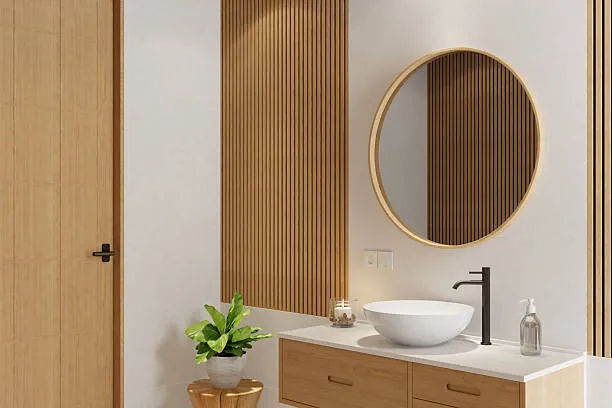
A bathroom vanity does far more than fill an empty wall. It can shape how easily people store toiletries, prepare for the day, clean the room, and move through the available space. That is why Bathroom and Vanity Unit Installation UAE can make such a noticeable difference when a bathroom needs better function without sacrificing style. Modern designs combine useful storage, durable finishes, practical layouts, and attractive proportions. Instead of choosing a unit simply because it looks good, homeowners can consider how drawers open, where plumbing sits, how much counter space is needed, and which items should remain within easy reach.
During bathroom remodeling, the right vanity can also make a compact room feel more organized and comfortable. Custom vanity units can be shaped around awkward corners, while thoughtful Bathroom cabinetry can separate everyday products from less-used supplies. Likewise, professional Vanity installation helps ensure that the finished unit is stable, properly aligned, and suitable for the room's moisture-heavy environment. With careful planning, a vanity becomes an important part of the bathroom's overall function rather than simply another decorative feature.
Proportion Shapes The Way A Bathroom Works
Vanity proportions influence everything from walking space to storage access. A unit that is too large can make a bathroom feel cramped, while one that is too small may leave valuable storage and counter space unused. Designers therefore consider wall width, door swings, shower positions, toilet clearance, mirror placement, and the number of people using the room. Height also matters because the countertop should feel comfortable during everyday activities such as washing, grooming, or placing personal items nearby. In shared bathrooms, wider units or double-basin arrangements can reduce congestion during busy mornings. In smaller spaces, a narrower profile may create better circulation while still providing useful drawers underneath.
Storage should be planned alongside dimensions rather than treated as an afterthought. Deep drawers may work well for larger bottles and towels, while shallow compartments can keep cosmetics, grooming tools, and smaller accessories organized. Open shelves can add visual lightness, but they also expose items to dust and moisture. Closed cabinetry generally provides a cleaner appearance and makes routine tidying easier. Additionally, the vanity should leave enough room around sinks and handles for comfortable use. Good proportions create a balanced relationship between furniture, fixtures, walls, and movement paths, helping the bathroom feel intentional rather than crowded.
Storage Details That Prevent Everyday Clutter
The best vanity storage is based on real habits. Before selecting compartments, users should think about what they reach for every morning, what needs to stay hidden, and what can be stored elsewhere. Drawer dividers can separate grooming products, while vertical sections can accommodate hair tools or cleaning supplies. Pull-out storage can make deeper areas easier to reach, reducing the need to move several items just to find something at the back. Furthermore, built-in organizers can prevent bottles and accessories from shifting around whenever a drawer opens.
Hidden Compartments Keep Surfaces Clear
A well-planned vanity can conceal many items that would otherwise occupy the countertop. Internal drawers, cabinet shelves, and removable organizers provide designated places for everyday essentials. This approach makes cleaning easier because fewer objects need to be moved before wiping the surface. It also improves the visual appearance of the room by keeping personal products out of sight. For families, separate compartments can give each person a defined storage area, reducing confusion and unnecessary clutter. However, storage should remain practical rather than excessive. A large number of tiny compartments may look sophisticated on paper but become frustrating when items do not fit properly. The goal is to create accessible storage that matches actual household routines.
Accessible Drawers Improve Morning Efficiency
Drawer placement can have a surprisingly strong effect on convenience. Frequently used products should sit within comfortable reach, while occasional items can occupy lower or less accessible areas. Full-extension drawer systems can provide better visibility because the contents come forward instead of disappearing into a deep cabinet. Soft-close mechanisms also reduce noise and protect the furniture from repeated impact. For households with children or older users, easy-opening drawers can be especially helpful when everyday essentials need to remain accessible. At the same time, moisture-resistant construction is important because bathrooms experience regular changes in humidity. Combining sensible drawer planning with durable materials helps the vanity remain useful long after installation.
Material Choices Affect Longevity And Style
Bathroom furniture faces conditions that ordinary indoor cabinetry may not encounter. Water splashes, steam, humidity, cleaning products, and frequent handling can gradually affect poorly selected materials. Therefore, material choice should consider both appearance and performance. Moisture-resistant boards, durable laminates, sealed timber finishes, and suitable hardware can help reduce swelling, staining, corrosion, and surface deterioration. Countertop materials should also be selected according to cleaning habits and expected use. A beautiful surface is only a good choice if it can withstand the demands of the room.
Moisture Resistance Supports Lasting Performance
Water protection begins with the materials but does not end there. Edges, joints, cutouts, and exposed areas need suitable finishing so moisture has fewer opportunities to penetrate. Proper ventilation also helps control humidity and protects cabinetry over time. In addition, sinks and faucets should be installed carefully to reduce the chance of repeated leaks reaching the cabinet structure. Regularly wiping standing water can further extend the life of the furniture. These details may seem minor, but they become important when a vanity is exposed to daily moisture for years. Choosing materials with bathroom conditions in mind provides a stronger foundation for long-term performance.
Finishes Create A Distinctive Visual Identity
Finish selection can change the entire character of a bathroom. Matte surfaces often create a calm, contemporary appearance, while wood-inspired textures can introduce warmth and natural variation. Gloss finishes may reflect light and help certain smaller rooms appear brighter. Neutral shades can provide flexibility, whereas carefully selected darker tones can make the vanity a strong focal point. Hardware adds another layer of visual detail, from discreet handles to more prominent metal accents. Nevertheless, appearance should work with the broader room instead of competing with it. When cabinet finish, countertop, mirror, lighting, and wall surfaces share a coherent visual direction, the vanity feels integrated into the bathroom design.
Smart Layouts Make Compact Bathrooms Feel Larger
Limited floor area does not automatically mean limited functionality. A carefully designed vanity can make better use of vertical and underused areas while protecting valuable walking space. Wall-mounted furniture, for example, can create a lighter visual effect and leave more visible floor underneath. Narrow-depth cabinets can also provide useful storage without projecting too far into the room. Corner solutions may help when a conventional rectangular unit would interfere with movement. Therefore, measurements should be taken before purchasing furniture rather than trying to make a standard unit fit afterward.
Mirror and lighting placement should also be considered at the same time. A vanity works best when the user has clear visibility without harsh shadows. Properly positioned lighting can improve grooming while making the room feel more comfortable. A mirror that is too small may waste valuable wall space, whereas an oversized design can overwhelm the furniture beneath it. Similarly, electrical points should be planned around the intended use of the countertop and storage areas. By coordinating these elements early, homeowners can avoid awkward gaps, blocked outlets, inconvenient switches, and visual imbalance.
Personalized Features Add More Practical Value
A modern vanity does not have to follow a standard template. Personal preferences, household size, room dimensions, and daily routines can all influence the final configuration. Some bathrooms benefit from wide drawer banks, while others need tall storage or a compact basin arrangement. Families may prefer separate zones, whereas a guest bathroom may require only a small amount of concealed storage. Customization also allows design details to work around existing plumbing and architectural limitations rather than forcing the room to conform to a fixed cabinet.
Tailored Configurations Fit Real Household Needs
Customization is most valuable when it solves a specific problem. A tall user may benefit from a different countertop height, while a compact bathroom may require shallow cabinetry. Double sinks can support shared routines, but they should only be considered when enough counter and circulation space remains. Similarly, integrated laundry storage, towel compartments, or dedicated grooming sections can reduce the need for separate furniture. Good planning focuses on how the room is actually used instead of adding features simply because they are fashionable. When every compartment has a purpose, the vanity contributes directly to a smoother daily routine.
Hardware Choices Influence Long Term Comfort
Hinges, runners, handles, drawer mechanisms, and mounting systems receive repeated use, so their quality matters. Smooth hardware makes drawers easier to operate and reduces unnecessary strain. Soft-close systems can limit impact, while corrosion-resistant components are better suited to humid environments. Handles should also be comfortable enough for frequent use and positioned where they do not interfere with nearby fixtures. These small details are easy to overlook during design, yet they influence the experience every day. Investing in suitable hardware can therefore make a visually simple vanity feel substantially more refined and dependable.
Coordinated Design Brings The Room Together
A vanity should complement the rest of the bathroom rather than appearing as an isolated furniture piece. Its proportions, materials, colors, and hardware can be repeated subtly through mirrors, shelving, wall finishes, and accessories. This creates visual continuity and helps the room feel more professionally planned. For example, warm cabinet tones can pair with complementary flooring or lighting details, while a minimalist vanity can support clean wall surfaces and simple fixtures. The objective is not to make every element identical but to create relationships between them.
Installation quality is equally important because even excellent furniture can look poor when it is misaligned or incorrectly fitted. Cabinets should sit level, doors should operate correctly, plumbing connections should be secure, and surrounding finishes should meet cleanly. If you are planning a bathroom upgrade, professional Vanity installation can help achieve a more precise result while reducing avoidable fitting problems. Choosing suitable Bathroom cabinetry and coordinating the installation with the rest of the room can turn a basic upgrade into a more functional and polished space.
A Practical Investment Starts With Better Planning
The strongest bathroom vanity projects begin before materials are ordered. Measure the room carefully, identify plumbing positions, consider storage requirements, review user habits, and establish the desired visual direction. It is also useful to decide which products need daily access and which can be stored elsewhere. These decisions make it easier to choose the right cabinet width, drawer configuration, countertop size, and hardware. A clear plan also reduces the risk of buying furniture that looks attractive but performs poorly in the available space.
If your bathroom needs a more organized and comfortable layout, consider working with professionals who can develop the design around your space and requirements. A carefully planned Bathroom remodeling project can combine storage, appearance, durability, and usability instead of treating each feature separately. From compact vanity layouts to larger family bathroom arrangements, the right approach can improve everyday convenience while giving the room a cleaner and more cohesive appearance.
Conclusion: Better Vanities Create Better Bathrooms
Modern vanity design is ultimately about making everyday bathroom activities easier. The right proportions improve movement, organized storage reduces clutter, durable materials handle moisture, and thoughtful hardware supports repeated use. At the same time, finishes, lighting, mirrors, and cabinetry can give the room a distinctive appearance without sacrificing practicality. When these elements are planned together, even a modest bathroom can become more comfortable and efficient.
A successful vanity should therefore be judged by more than its appearance. It should fit the available space, support real household routines, withstand the bathroom environment, and remain convenient over time. With careful planning and quality installation, a modern vanity can become one of the most useful features in the entire room while also strengthening its overall visual appeal.
Frequently Asked Questions About Vanity Design
What makes a bathroom vanity functional?
A functional vanity provides suitable counter space, accessible storage, durable materials, and enough surrounding clearance for comfortable movement. Its layout should reflect how the bathroom is actually used.
Are wall-mounted vanities suitable for small bathrooms?
Yes. Wall-mounted designs can create a more open visual effect and leave visible floor beneath the cabinet. However, the wall structure and plumbing arrangement should be checked before installation.
Which materials work well for bathroom cabinetry?
Moisture-resistant boards, sealed wood-based products, durable laminates, and properly finished surfaces are commonly suitable. The exact choice should depend on humidity, cleaning habits, design preferences, and expected use.
How can a vanity reduce bathroom clutter?
Drawers, internal organizers, tall compartments, and concealed shelves can give toiletries and grooming products dedicated storage areas. Keeping frequently used items organized also makes daily cleaning easier.
Is professional vanity installation important?
Professional fitting can help with accurate leveling, secure mounting, plumbing coordination, door alignment, and finishing details. This is particularly useful when the design includes custom dimensions or complex storage features.
Related Reading
Expert Insights: Navigating the Complex World of Home Improvement
Welcome to our in-depth exploration of Home Improvement. In an era defined by ra...
Why Home Improvement is Transforming the Global Industry Landscape
Welcome to our in-depth exploration of Home Improvement. In an era defined by ra...