Modern Staircase Designs with Glass Panels and Stainless Steel Hardware
14 Views
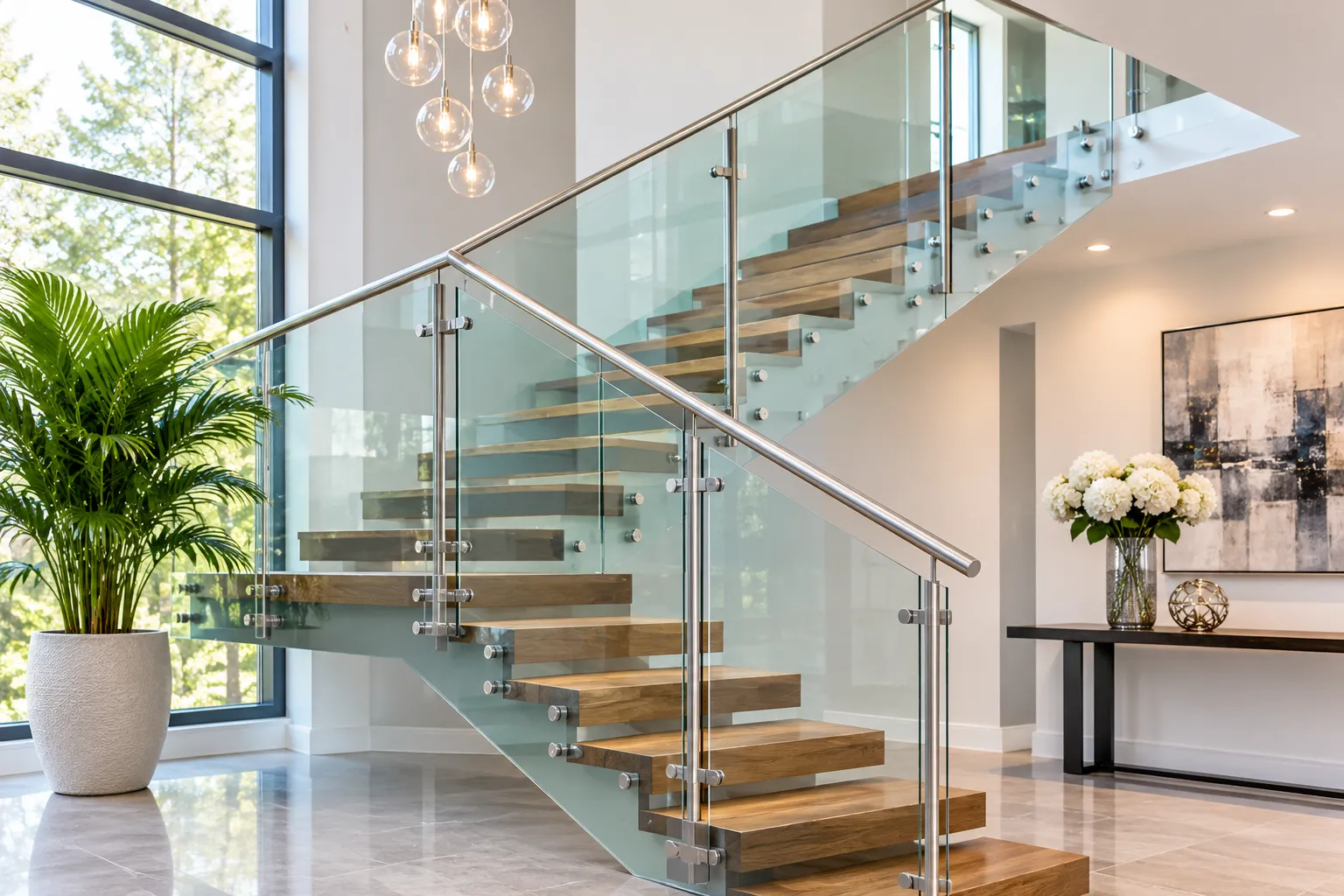
Modern staircase designs are no longer limited to traditional wooden railings and bulky structures. Homeowners, architects, and interior designers are increasingly exploring glass panels combined with stainless steel hardware to create staircases that look open, elegant, and functional. This combination offers a contemporary appearance while providing the support and stability needed for everyday use.
Glass panels allow natural light to move through interior spaces, while stainless steel components provide a clean, refined finish. Whether used in a residential renovation or a new commercial project, these materials can complement different architectural styles. Understanding their design possibilities, hardware options, and practical considerations can help when planning a modern staircase.
Why Combine Glass Panels with Stainless Steel Hardware?
Glass and stainless steel work well together because they offer contrasting visual qualities. Glass creates a transparent, spacious appearance, while stainless steel introduces a subtle metallic finish that complements modern interiors.
One of the main advantages of this combination is its ability to maintain an open visual connection between different floors. Traditional railings can sometimes make staircases feel enclosed, particularly in smaller homes. Glass panels provide a clearer view of the surrounding space, helping interiors appear brighter and more spacious.
Stainless steel hardware supports the glass installation and adds a contemporary detail without drawing too much attention away from the overall design. Together, these materials balance appearance, functionality, and structural support.
Popular Modern Staircase Designs with Glass Panels
Glass panels can be incorporated into several staircase layouts, depending on the available space, architectural style, and desired appearance.
1. Frameless Glass Stair Railings
Frameless glass railings create a minimal appearance by reducing the number of visible supporting elements. The panels are secured using suitable mounting systems, allowing the glass to remain the main visual feature. This design works particularly well in contemporary homes, open-plan interiors, and spaces where maintaining clear sightlines is important.
2. Glass Panels with Stainless Steel Posts
For homeowners who prefer a more defined railing structure, glass panels can be installed with stainless steel posts. The posts provide visible support and create a balanced combination of transparent surfaces and metallic details. This arrangement can suit both modern and transitional interiors.
3. Glass Railings with Stainless Steel Handrails
A stainless steel handrail can be added along the top of a glass railing to provide a convenient gripping surface. Round and square handrail profiles offer different visual effects, making it easier to coordinate the staircase with other interior finishes.
4. Floating Staircases with Glass Railings
Floating staircases are often designed with open risers or visually minimal supporting structures. Glass railings complement this style by maintaining an unobstructed appearance. Stainless steel brackets, clamps, and connectors can complete the installation while keeping the overall design consistent.
Essential Stainless Steel Hardware for Glass Staircases
Selecting suitable hardware is an important part of planning a glass staircase. Each component has a specific purpose, from securing panels to connecting handrails.
Common hardware options include:
-
Glass clamps: These components hold glass panels in position and are available in different shapes and finishes.
-
Stainless steel posts: Posts provide support for railing configurations that use a post-mounted system.
-
Glass brackets: Brackets help connect glass panels to compatible structural surfaces or supporting elements.
-
Handrail brackets: These fittings secure handrails to walls, posts, or other approved supports.
-
Connectors and fittings: Connectors join compatible railing components and help create a consistent installation.
The appropriate hardware depends on the glass thickness, mounting method, staircase configuration, and system specifications. Components should be selected as part of a compatible railing system rather than chosen only for their appearance.
Choosing the Right Glass for Staircase Railings
Glass selection affects the appearance, performance, and suitability of a staircase railing. Tempered safety glass is commonly used in railing applications because it is manufactured through a controlled heating and cooling process that increases its strength compared with ordinary annealed glass.
Laminated glass is another option. It consists of multiple glass layers bonded with an interlayer, which helps hold fragments together if the glass breaks. Depending on project requirements, laminated or tempered-laminated glass may be considered.
The correct glass specification should be determined according to applicable building codes, safety requirements, panel dimensions, and the railing system's engineering. Glass thickness should never be selected based on appearance alone.
Design Considerations Before Installation
Before choosing a glass staircase system, consider the layout and practical requirements of the space. Measure the staircase carefully and identify where panels, posts, handrails, and mounting points will be positioned.
The mounting surface is particularly important. Different installations may require side-mounted fittings, surface-mounted bases, or other approved fixing methods. The supporting structure must be suitable for the loads expected during everyday use.
It is also useful to consider the finish of the stainless steel hardware. Brushed finishes provide a subtle appearance, while polished finishes create a brighter, more reflective look. Coordinating these details with door handles, light fixtures, and other interior elements can create a more unified design.
Professional planning and installation are essential. Staircase railings must meet relevant local building codes, including requirements for railing height, openings, handrails, and structural performance. Requirements can vary by location and building type, so the applicable regulations should be confirmed before work begins.
Maintaining Glass Panels and Stainless Steel Components
Regular maintenance helps preserve the appearance and performance of a glass staircase. Glass panels can generally be cleaned using a suitable glass cleaner and a soft, lint-free cloth. Avoid abrasive materials that may scratch surfaces or damage finishes.
Stainless steel hardware should be cleaned periodically to remove dust, fingerprints, and other residue. In areas exposed to moisture or cleaning chemicals, follow the manufacturer's care recommendations to protect the finish.
It is also important to arrange periodic inspections of the railing system. Check accessible fittings, handrail connections, and visible mounting points for signs of loosening, corrosion, or damage. Any concerns should be assessed by a qualified professional rather than addressed through improvised adjustments.
Creating a Balanced and Functional Staircase
Modern staircase designs with glass panels and stainless steel hardware offer a practical way to combine transparency, clean detailing, and structural support. From frameless installations to glass railings with posts and handrails, different configurations can suit a range of residential and commercial interiors.
The best design depends on the staircase layout, glass specifications, compatible hardware, and local safety requirements. By considering these factors early in the planning process, property owners can create a staircase that complements the surrounding architecture while supporting everyday functionality.
Related Reading
Expert Insights: Navigating the Complex World of Home Improvement
Welcome to our in-depth exploration of Home Improvement. In an era defined by ra...
Why Home Improvement is Transforming the Global Industry Landscape
Welcome to our in-depth exploration of Home Improvement. In an era defined by ra...