Melbourne to Lebanon Travel Guide for First-Time Visitors
58 Views
Lebanon surprises almost everyone who visits for the first time. Despite years of conflict and economic collapse, Beirut has a real pulse with great food, a social scene that runs late, and people who are pleased to see you there.
What to Expect When You Arrive in Beirut
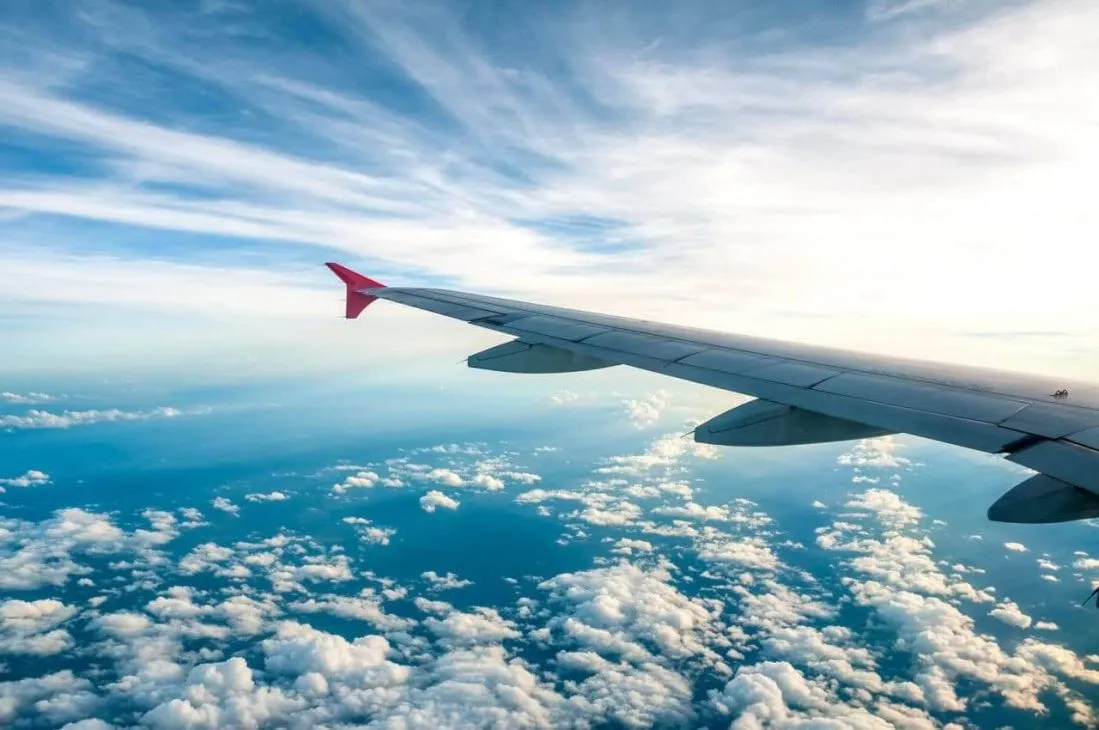
When booking Melbourne to Beirut flights, there are no direct services on this route. Every itinerary involves a connection, usually through Dubai, Doha, or Abu Dhabi, with Emirates, Qatar Airways, and Etihad Airways being the most consistent options.
Beirut Rafic Hariri International Airport
As of 2026, it is open but operating under disrupted conditions, with some flights cancelling at short notice depending on the regional situation. Arrive knowing this and carry everything you need to be self-sufficient for a day if your onward plans shift.
Immigration at Beirut is generally quick for Australian passport holders. You collect your free, one-month tourist visa on arrival at the immigration counter. Have ready a passport valid for at least 6 months beyond your travel dates, a local address or contact, and your return ticket. There is no prior application needed.
If your passport contains any evidence of travel to Israel, including stamps or visas, you will be refused entry to Lebanon. This is strictly enforced.
Getting from the Airport to Beirut
The Australian Embassy in Beirut recommends Allo Taxi for safe, reliable transport. Avoid unmarked taxis or drivers who approach you in the arrivals hall. The drive to central Beirut takes around 20 minutes in normal traffic.
The Places First-Timers Should Visit
Lebanon is roughly half the size of Tasmania. You can cover a lot of ground in a single day. That means you can move between dramatically different experiences in a single day.
Beirut Itself
Most first-timers spend a couple of days in Beirut before heading further afield. The neighbourhoods are genuinely varied:
Gemmayzeh and Mar Mikhael are the areas with bars, galleries, and a bohemian atmosphere. The Corniche, Beirut's seaside promenade, runs along the waterfront and is popular with locals at dusk. Hamra Street to the west is the city's commercial and cultural spine. Downtown Beirut, rebuilt after the civil war, shows the more polished face of the capital, though parts still carry the weight of that history.
The National Museum of Beirut, on Damascus Road, is a compact but genuinely fascinating place for first-timers. It covers Phoenician, Roman, and Byzantine artefacts, and entry costs the equivalent of a few US dollars.
Byblos (Jbeil)
Byblos is one of the oldest continuously inhabited cities in the world, with evidence of settlement going back at least 7,000 years. It was a key Phoenician city and the birthplace of the Phoenician alphabet.
Jeita Grotto
Jeita Grotto is a cave system that was a finalist for the New Seven Wonders of Nature. The lower chamber has an underground river that you explore by boat. The upper galleries are home to the world's largest known stalactite. Photography is not permitted inside.
Baalbek Temples
The Temples of Jupiter and Bacchus are among the best-preserved Roman ruins in the Middle East. Entry is around USD 10 per adult.
Baalbek falls in the Baalbek-Hermel governorate, which carries a Do Not Travel advisory. Check the current Smartraveller advice before planning this excursion.
The Real Lebanese Cuisine Experience
The cuisine is Mediterranean, herb-driven, and built around sharing.
Start with Mezze
It is the architecture of a Lebanese meal. At a proper restaurant, expect 20 to 40 small shared dishes arriving in waves, starting with cold plates and moving into hot ones. The fundamentals to try include hummus, tabbouleh, fattoush, baba ghanoush, and falafel.
Breakfast Like a Local
The real Lebanese breakfast centres on manakish, a thin flatbread topped with za'atar (a blend of dried thyme, sesame seeds, and sumac), or cheese, baked fresh in a neighbourhood bakery called a furn. You will smell it before you see it. Pick one up hot for the equivalent of a dollar or two and eat it on the street.
Street Food Worth Seeking Out
Shawarma in Lebanon is not the same as what most Australians know from fast food. Chicken shawarma is paired with toum, a powerful whipped garlic sauce. Beef shawarma comes with tarator (a tahini-lemon sauce) and sumac.
Kibbeh is widely considered Lebanon's national dish. It is a mix of bulgur wheat and minced lamb or beef, shaped and deep-fried until crispy outside and juicy inside. Find it as part of any mezze spread.
For dessert, knafeh (a warm cheese-and-semolina pastry soaked in sugar syrup) is the one to order in Tripoli, Lebanon's second city, where it is considered a specialty.
Practical Things for First-Time Visitors
Cash Over Cards
Carry US dollars. Lebanon's economy is largely dollarised, and USD is accepted almost everywhere. Many smaller restaurants, bakeries, and shops operate on cash only. ATMs in Beirut do dispense USD, but daily limits apply, and fees can be high.
Three Languages Are Normal
Arabic is the primary language, but French and English are both widely used, particularly in Beirut. Most people in hospitality and tourism speak at least some English.
Modest Dress in Context
Beirut itself is a cosmopolitan city, and dress norms are relaxed in most areas. But Lebanon has religious diversity across a small geographic space. Carry a light layer that covers your shoulders and knees for visits to mosques, churches, or more conservative areas.
Power Cuts Are Common
Most hotels and restaurants have generators, but you should expect regular outages. Keep your phone and devices charged whenever power is available.
Tipping
Around 10 to 15 per cent is standard in restaurants if a service charge is not already on the bill.