Medical Gas Pipeline: Construction of Robust Infrastructure for Modern Hospitals
7 Views
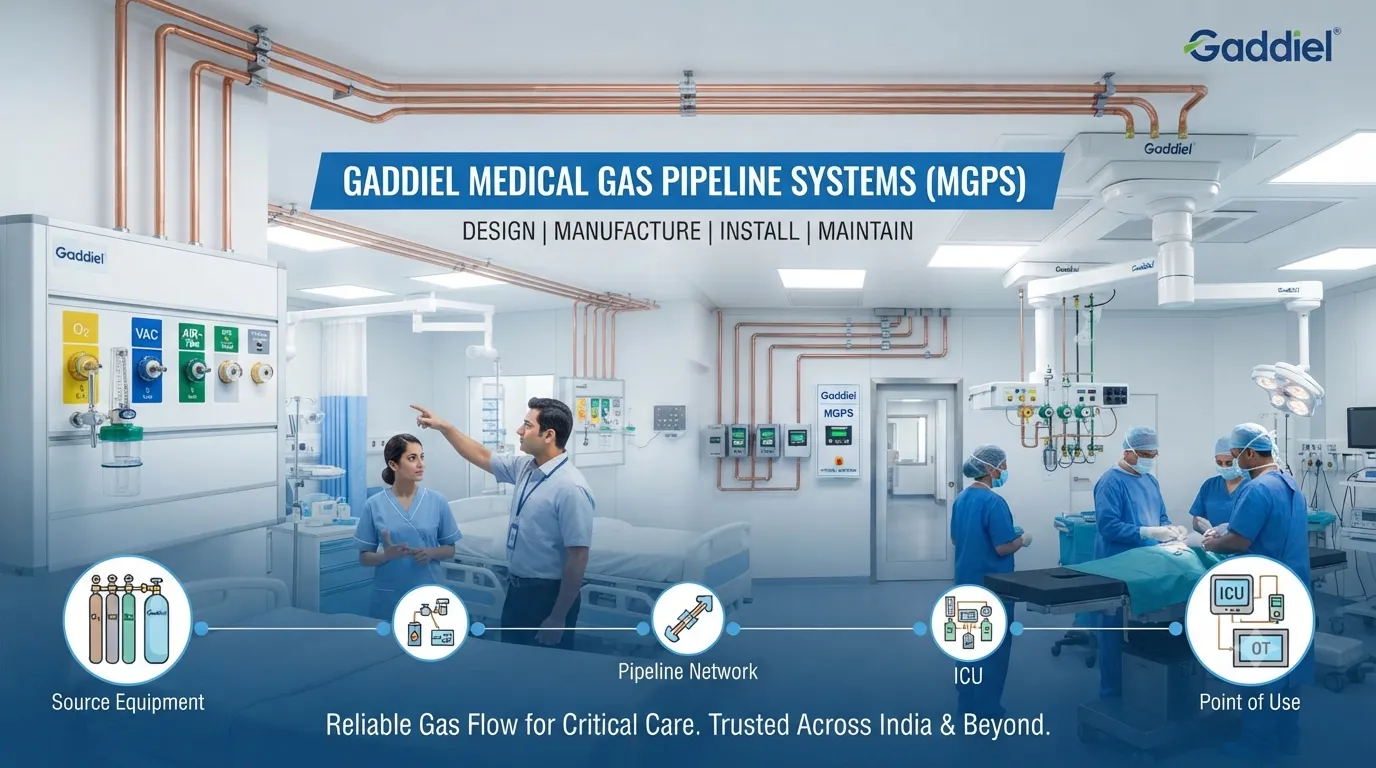
A medical gas pipeline system is a critical infrastructure that supports continuous clinical operations of hospitals by providing essential hospital gas supplies. Hospitals require hospital gas pipeline systems for electricity, ventilation, and water supply, but an essential part of critical hospital services is the use of a suitably designed hospital medical gas pipeline system that provides for the ready supply of hospital gases at points of use.
While connecting pipes and outlets is a starting point, the building and design work involved in delivering a safe, reliable medical gas system is far more complex. You have engineering design, construction coordination, safety planning, installation, and ongoing testing and maintenance to think about.
Why Medical Gas Infrastructure Needs Long-Term Planning
The demand for medical gases may also increase as a hospital expands the number of beds, new wards are added, or additional clinical equipment is acquired. A pipeline system that does not accommodate future needs may need costly adjustments.
At the planning stage, hospital managers and the project engineer should:
- Current and projected patient bed capacity.
- Intensive care/surgical department needs.
- Locations of critical medical service areas.
- Central Gas Storage & Generation Equipment Space available.
- Routing pipes through floor, ceiling, and service shafts.
- Accessibility for inspection and maintenance.
An effective medical gas pipeline can be designed to ensure healthcare facilities meet their operational needs without the need to make unnecessary architectural adjustments.
Designing a System Around Hospital Architecture
Building configuration has an obvious impact on the development of medical gas infrastructure. Multi-storey hospitals offer added challenges, with the design team having to think about vertical distribution, pipe routing, maintenance access and department positioning.
As another example, a service room several floors above the main source of gas on the site might have a carefully designed pipework route and apparatus. Or a theatre suite might be different to the rest of the ward.
Hence, co-ordination between the electrical contractor, HVAC engineer, medical gas engineer and architect is necessary.
Adequate access to isolation arrangements and monitoring points must be provided, so that authorised technical personnel can readily inspect or undertake maintenance on identified sections, without having to disturb other areas of the hospital.
Managing Supply Continuity and System Reliability
A crucial aspect of hospital facilities is to ensure the continuous operation of gas supply during day-to-day running and planned servicing.
Design the system to allow for the servicing of equipment, replacement of sources, potential pressure variations, and other types of operational abnormalities.
The Hospital’s needs may dictate the following:
- Alternative Supply Options: Adequate back-up arrangements are necessary to cover instances where the supply of gas from the primary source may be unavailable.
- Automatic Changeover: Selected manifold configurations can be employed to switch over between designated sources of gas based on the system configuration.
- Pressure Monitoring: Monitoring system assist technician in reading wrong pressure.
- Zone Isolation: Isolation valves in the right place enable trained persons to isolate segments of the system during maintenance or unforeseen problems.
Such requirements shall be designed, installed and tested by qualified specialists in accordance with all relevant standards, product specifications and design requirements.
The Importance of Quality Control During Installation
The design of a medical gas pipeline will have a great influence on how it performs. No matter how well selected the materials, mishandling the joints, connections, routing, or identification procedures will lead to issues.
In systems that require copper piping, copper piping that is of medical grade can be used. The requirements for the engineering of copper piping of this type are specific.
Important quality-control activities include:
- Confirmation of accepted piping materials and specifications.
- Inspection of joints and connections.
- Correct identification of individual gas services.
- Verification of valve locations and accessibility.
- During construction, examine the pipeline for its cleanliness and protection.
- Maintaining installation records and technical documentation.
These verification procedures assist in verifying that the installed network matches the sanctioned design.
Testing and Commissioning
Just because all outlets and connections have been installed, a completed pipeline installation should not be considered operational for the consumer.
An organised approach to commissioning is needed in order to demonstrate that the system performs in accordance with the design.
Based on the relevant standards and project specifications, testing can include:
- Pressure testing of designated pipeline sections.
- Leak detection and verification.
- Gas identity and cross-connection checks.
- Testing of valves and alarm arrangements.
- Terminal units/ outlets check.
- Examination of technical documents and commissioning documentation.
A well-trained person should be responsible for performing the tests and recording the data prior to the system being operated in the clinical setting.
Hospital Medical Gas Network: Maintenance Strategies
We all know what a time sink the maintenance and repair of a medical gas pipeline can be. Don’t restrict your maintenance to fixing the problem once an outlet is not working or the alarm has sounded.
A programme of preventative maintenance should be introduced for hospitals on central supply equipment, sections of piping, zone valve boxes, alarms and terminals.
Some maintenance planning may entail:
- Periodic testing of the manifold and all related equipment.
- Checking alarm functionality and pressure indicators.
- Accessible valves and pipeline connections are inspected.
- Examining terminal units for any physical damage.
- Keeping track of repairs, testing and servicing.
- Reviewing backup arrangements and emergency procedures.
Maintenance work should be planned in a manner which has all the clinical work isolated by an approved work group, with suitable management and safety procedures.
Selecting the Suitable Medical Gas Pipeline Fabricator & Installer
Choosing a knowledgeable supplier and installer should also be part of the hospital infrastructure planning. The vendor should be familiar with the technical aspects of healthcare construction and be able to manage all aspects of the installation process.
Consider testing and certification of the engineering, materials, installation experience, testing, documentation, and service before making a decision.
Gaddiel Industries Pvt. Ltd. Offers Medical Gas pipeline services involving design, manufacturing, installation, testing, and commissioning. The systems are referenced against code requirements such as HTM 02-01, NFPA 99, and applicable ISO standards.
The company offers associated hospital infrastructure packages that enable the entire technical hospital equipment to be coordinated through a knowledgeable project partner.
Conclusion
Medical gases can represent a challenge when building or modernising hospitals. A carefully designed, reliable and well-maintained medical gas installation is a vital part of a hospital project, from architectural design to end of life, commissioning and scheduled maintenance.
A correctly designed medical gas pipeline should be based on the needs of the hospital’s clinical services, the design of the building and future operational requirements. When you work with specialists and adhere to the correct technical standards, you can create a reliable solution for a healthcare operation.