How Medical Detox Supports Recovery From Opioid Addiction
18 Views
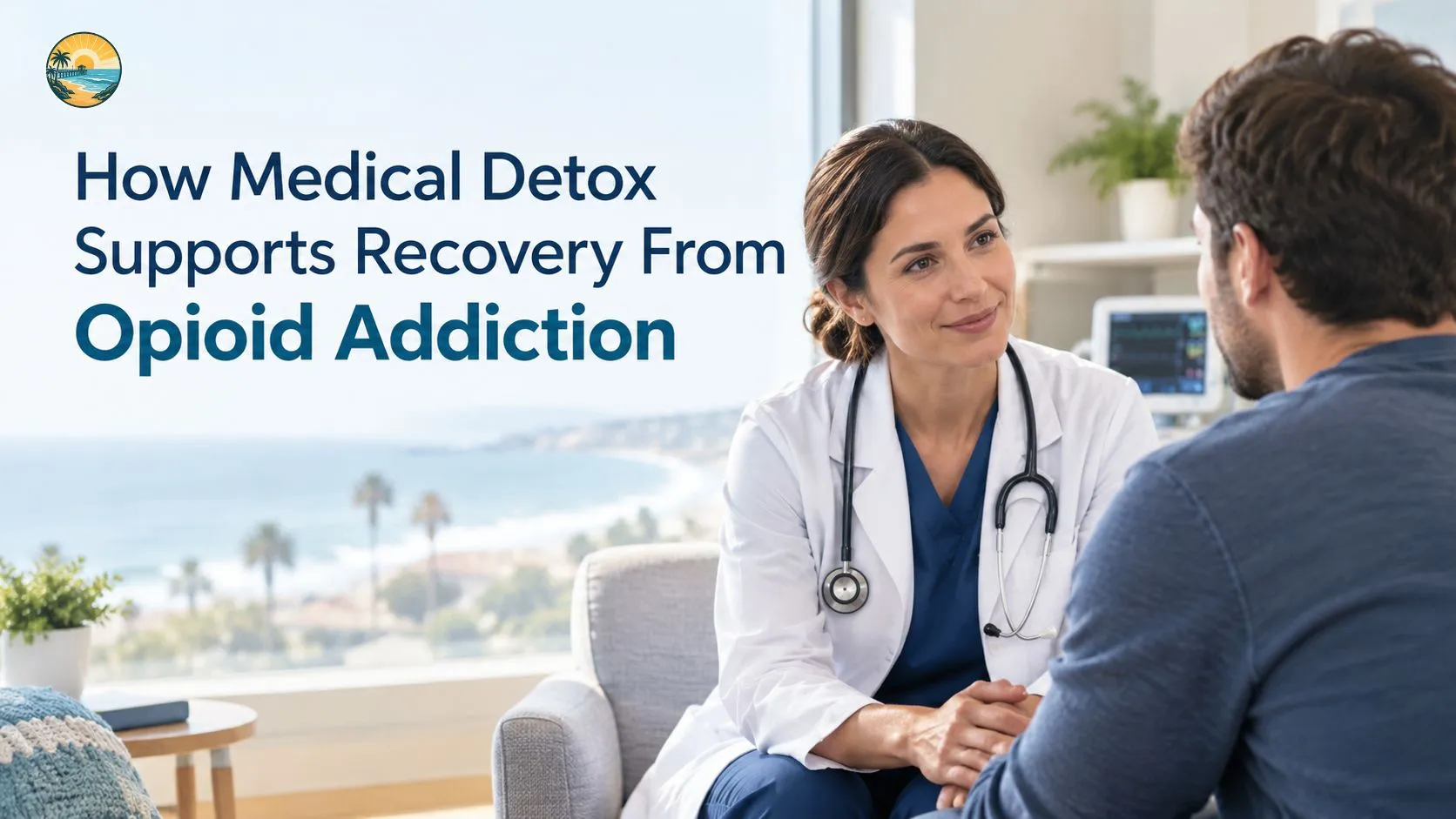
Opioid addiction can affect a person's physical health, mental well-being, relationships, and daily life. For someone who has developed physical dependence, stopping opioids can lead to uncomfortable withdrawal symptoms and strong cravings. Medical detox can provide professional monitoring and support during this stage while helping connect the person with ongoing treatment.
Opioid addiction treatment California programs may include withdrawal management, medication treatment, behavioral therapies, residential care, and continuing recovery support. Medical detox is often an early part of this process, but it should not be viewed as the complete treatment for opioid use disorder.
According to SAMHSA, medications such as buprenorphine, methadone, and naltrexone are evidence-based options for treating opioid use disorder, while counseling, behavioral therapies, and other recovery supports can be incorporated based on individual needs.
What Is Medical Detox?
Medical detox, or medically supervised withdrawal management, involves monitoring and supporting a person while their body adjusts to reduced or discontinued substance use.
With opioids, withdrawal may cause symptoms such as:
- Muscle aches
- Sweating
- Restlessness
- Runny nose
- Nausea
- Diarrhea
- Insomnia
- Anxiety
- Irritability
- Strong opioid cravings
The intensity and duration of withdrawal can vary depending on the opioid involved, how long it has been used, the amount used, and other individual factors.
Medical supervision allows healthcare professionals to assess symptoms and determine whether medication or other supportive care is appropriate.
Why Medical Support Matters During Opioid Withdrawal
Opioid withdrawal is generally not considered as medically dangerous as withdrawal from some other substances, such as severe alcohol or benzodiazepine withdrawal. However, withdrawal can still be difficult and can contribute to intense cravings and return to opioid use.
ASAM notes that abruptly stopping opioids can lead to strong cravings and increased risk of returning to opioid use. Its guidance recommends medication-based approaches for managing opioid withdrawal rather than simply stopping opioids without appropriate clinical support.
Medical supervision can also be particularly important when a person has other medical conditions, uses multiple substances, or has experienced complications during previous withdrawal attempts.
What Happens During Medical Detox?
The process usually begins with an assessment.
A healthcare professional may review:
- Current opioid use
- Type of opioid being used
- Frequency and amount of use
- Previous withdrawal experiences
- Medical history
- Mental health history
- Current medications
- Other substances being used
- Previous addiction treatment
- Individual treatment goals
This information helps determine the appropriate level of care.
During withdrawal management, the clinical team may monitor physical and psychological symptoms and adjust treatment as needed.
The goal is not simply to get through withdrawal as quickly as possible. It is to provide appropriate care while preparing the person for the next stage of treatment.
Medications May Be Used During Opioid Treatment
Medication can play an important role in evidence-based opioid addiction treatment.
SAMHSA identifies three FDA-approved medications for opioid use disorder: buprenorphine, methadone, and naltrexone. These medications work in different ways and may help reduce withdrawal symptoms, cravings, and the risk of returning to opioid use.
The appropriate medication depends on the individual's clinical situation, treatment goals, medical history, and preferences.
Buprenorphine
Buprenorphine is a medication used to treat opioid use disorder. It can reduce withdrawal symptoms and cravings and may help people remain engaged in ongoing treatment.
SAMHSA notes that treatment with buprenorphine is individualized, and the duration of treatment can vary from person to person.
Methadone
Methadone is another medication used to treat opioid use disorder. It can reduce withdrawal symptoms and cravings and is provided through regulated opioid treatment programs.
Naltrexone
Naltrexone works differently from buprenorphine and methadone by blocking opioid effects. Before starting naltrexone, a person must have an appropriate opioid-free period to reduce the risk of precipitated withdrawal. The timing depends on the opioids previously used and the individual's circumstances.
Medication decisions should always be made with qualified healthcare professionals.
Detox Is Only the Beginning of Treatment
One of the most important things to understand about medical detox is that it does not, by itself, treat all aspects of opioid use disorder.
SAMHSA's clinical guidance states that short-term medically supervised withdrawal alone is rarely effective as a long-term treatment approach because many people return to opioid use after withdrawal. Continued medication treatment and psychosocial support can be important parts of ongoing care.
After detox, treatment may continue through:
- Residential addiction treatment
- Medication treatment
- Individual therapy
- Behavioral therapies
- Recovery support
- Relapse-prevention planning
- Outpatient care
- Peer-support services
- Continuing medical follow-up
The appropriate combination depends on the individual's needs.
How an Opioid Detox Center in Oceanside Can Help
Someone searching for an opioid detox center Oceanside should look beyond whether a facility provides withdrawal management.
Important questions include:
- Is medical supervision available?
- How are withdrawal symptoms monitored?
- Are medications for opioid use disorder available or coordinated?
- What happens after detox?
- Does the facility provide residential treatment?
- Is behavioral support part of the program?
- Can the treatment team coordinate continuing care?
- What happens if a person's medical needs exceed the facility's level of care?
A detox program should have a clear plan for what comes next rather than treating withdrawal as the end of treatment.
The Importance of Individualized Opioid Treatment
There is no single treatment plan that works for every person with opioid use disorder.
Treatment decisions may depend on:
- Type of opioid
- Duration of opioid use
- Severity of the disorder
- Previous treatment attempts
- Medical conditions
- Mental health concerns
- Other substance use
- Current medications
- Patient preferences
- Available support system
SAMHSA's current opioid treatment guidance emphasizes patient-centered care and individualized clinical decision-making.
This is why a professional assessment is important before determining the appropriate level of care.
When Alcohol Is Also Involved
Some people use opioids alongside alcohol or have more than one substance use disorder.
This can make treatment more complicated because the clinical risks and withdrawal considerations may differ between substances.
Alcohol withdrawal can become medically serious in some cases. ASAM recommends appropriate medical assessment and monitoring for people at risk of significant alcohol withdrawal.
Someone comparing Inpatient Alcohol Rehab California programs while also dealing with opioid use should ask whether the treatment team can evaluate and address both substance use disorders.
The treatment plan should account for all substances being used rather than focusing on opioids alone.
Medical Detox and Mental Health
Mental health concerns can also affect opioid recovery.
Some people with opioid use disorder experience depression, anxiety, trauma-related symptoms, or other mental health concerns. These symptoms may affect cravings, motivation, sleep, relationships, and engagement in treatment.
A comprehensive assessment can help determine whether mental health services should be included alongside addiction treatment.
Treatment may involve:
- Psychiatric evaluation
- Individual therapy
- Behavioral therapies
- Medication management
- Recovery education
- Stress-management strategies
- Relapse-prevention planning
Addressing these concerns can help create a more complete treatment plan.
What Happens After Medical Detox?
The next stage of care should be planned before detox is completed whenever possible.
Depending on the person's needs, continuing care may include residential treatment, outpatient services, medication management, therapy, or recovery support.
For someone with a higher level of clinical need, residential treatment may provide a structured environment where the person can continue working on substance use, behavioral patterns, and recovery skills after withdrawal has stabilized.
A continuing-care plan may also identify:
- Medication follow-up
- Therapy appointments
- Recovery meetings
- Supportive family members
- Warning signs of return to use
- Crisis resources
- People to contact when cravings increase
This preparation can make the transition from detox to ongoing treatment more coordinated.
Choosing Opioid Addiction Treatment in California
When comparing opioid addiction treatment California programs, consider the complete treatment pathway rather than focusing only on detox.
Ask potential providers:
- What type of withdrawal management is available?
- Is medical supervision provided?
- What medications for opioid use disorder are available or coordinated?
- How are mental health concerns assessed?
- Does the program offer residential treatment?
- What behavioral therapies are available?
- How are treatment plans individualized?
- What happens after detox?
- Does the facility coordinate continuing care?
- What insurance options are available?
These questions can help determine whether a program is equipped to provide appropriate care beyond the initial withdrawal period.
Why Continuing Treatment Matters
Opioid use disorder can be a chronic condition, and recovery may require ongoing support.
SAMHSA reports that medications for opioid use disorder can reduce cravings and withdrawal symptoms, improve retention in treatment, and reduce opioid use and overdose risk.
For this reason, stopping opioid use for a short period should not be considered the only measure of treatment success.
Progress may also involve:
- Reduced cravings
- Improved physical health
- Better emotional stability
- Consistent participation in treatment
- Improved relationships
- Greater daily functioning
- Continued engagement with recovery support
Treatment can be adjusted as a person's needs change.
Medical Detox at Seaside Detox
For individuals researching an opioid detox center Oceanside, Seaside Detox provides medically supervised withdrawal management and residential addiction treatment in Oceanside, California.
The treatment setting is designed to provide individualized care within a small residential environment, with medical support and planning for continued treatment after detox.
When comparing treatment providers, patients and families should ask detailed questions about medical supervision, medication options, residential services, behavioral support, insurance, and aftercare planning.
Final Thoughts
Medical detox can provide an important foundation for recovery from opioid addiction by offering professional monitoring and support during withdrawal. However, detox should generally be viewed as the beginning of treatment rather than the entire solution.
Effective opioid addiction treatment California programs may combine withdrawal management with medications for opioid use disorder, behavioral therapies, residential or outpatient treatment, and continuing recovery support.
If you are considering an opioid detox center Oceanside, ask what happens after withdrawal and whether the program can provide or coordinate ongoing treatment.
For people who also use alcohol, comparing Inpatient Alcohol Rehab California programs should include questions about how the facility evaluates and manages multiple substance use disorders.
The most appropriate treatment plan depends on the individual's health, substance use history, withdrawal risks, mental health needs, and treatment goals. A qualified healthcare professional can help determine the appropriate level of care.
Medical Disclaimer
This article is for educational purposes only and is not a substitute for professional medical or addiction-treatment advice. Opioid withdrawal and treatment needs vary by individual. Medication decisions and withdrawal management should be supervised by qualified healthcare professionals. If someone is experiencing an overdose or another medical emergency, call 911 or seek emergency medical care immediately.