Medical Blood Pressure Monitor: How Often Should You Check?
1 Views
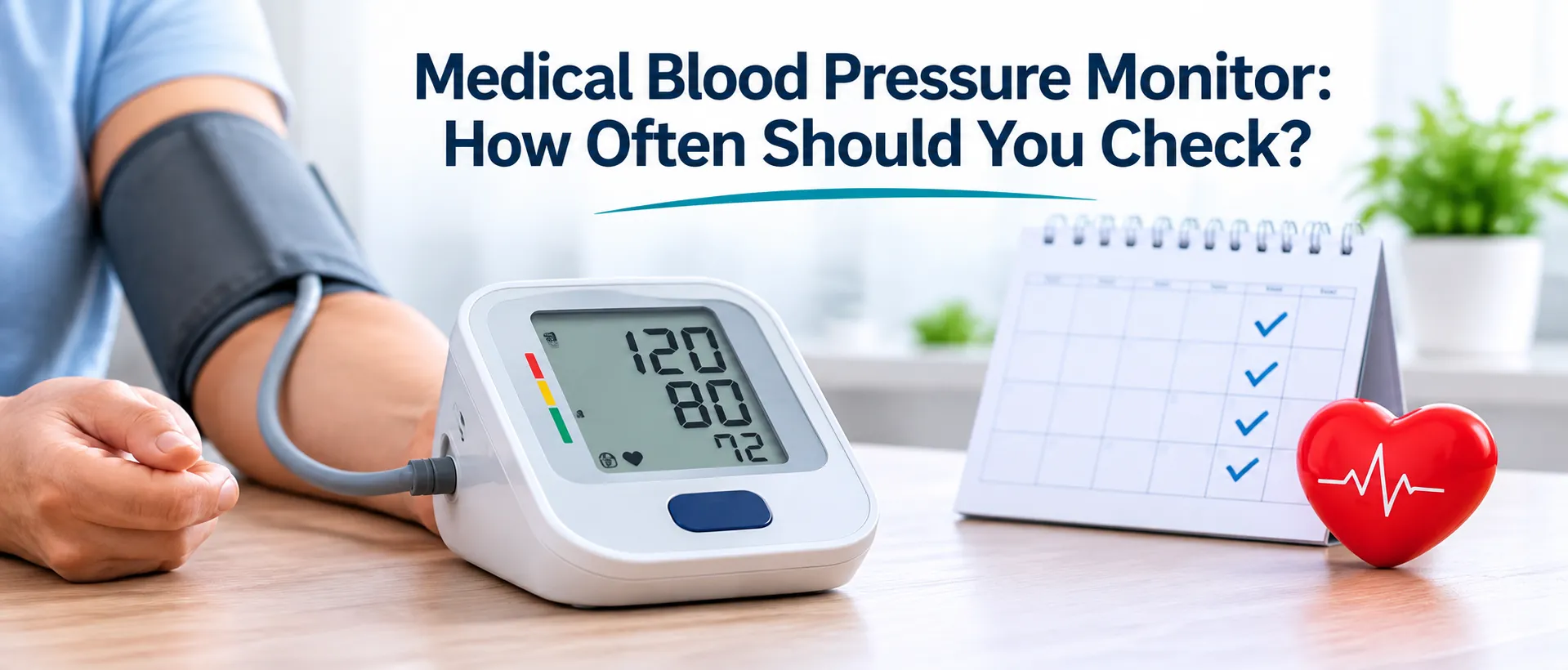
Blood pressure is one of the most important numbers in your body. Yet many people never check it until a doctor asks. A medical blood pressure monitor makes it easy to keep track at home.
But how often should you really check? Once a day? Once a week? The answer depends on your health, your age and your doctor's advice. This blog explains it in simple words.
What Is Blood Pressure?
Your heart pumps blood through your body. As the blood moves, it pushes against the walls of your blood vessels. That push is called blood pressure.
Think of water flowing through a garden hose. If too much water pushes through, the hose is under strain. The same can happen inside your body.
Understanding the Two Numbers
A blood pressure reading has two numbers. You might see it written like 120/80.
The top number is called systolic. It shows the pressure when your heart beats. The bottom number is called diastolic. It shows the pressure when your heart rests between beats.
Both numbers matter. A normal reading is usually close to 120/80. A reading of 130/80 or higher can be a sign of high blood pressure. Your doctor will tell you what is right for you.
Why Checking Blood Pressure Matters
High blood pressure is often called a silent problem. You can have it for years and feel fine. There may be no pain or warning signs.
But over time, it can harm your heart, brain, kidneys and eyes. It raises the risk of stroke and heart attack. The good news is that it can be managed once you know about it.
Checking often helps you catch changes early. That gives you and your doctor more time to act.
What Is a Medical Blood Pressure Monitor?
A medical blood pressure monitor is a device that measures your blood pressure. It has a cuff that wraps around your arm or wrist. The cuff fills with air, squeezes gently, and then lets go. A screen then shows your numbers.
Most home models are digital. You press a button, wait a minute, and read the result. Some also show your pulse rate.
Why Choose a Portable Blood Pressure Monitor?
A portable blood pressure monitor is small and light. You can keep it in a bag, take it to work, or pack it for a trip.
Many run on batteries, so you do not need a plug. Some connect to a phone app that saves your readings. This is helpful if you want to share the numbers with your doctor.
A portable device makes it easier to check at the same time each day, even when you are away from home.
How Often Should You Check Your Blood Pressure?
There is no single answer for everyone. Here is a simple guide based on common situations.
If you are healthy. Adults with normal readings can check every few months or once a year. If you are over 40, many doctors suggest checking more often.
If your readings are a bit high. Check once a week, or as your doctor says. This helps you see if the numbers go up or down over time.
If you have high blood pressure. Your doctor may ask you to check once or twice a day. Many people check in the morning and again in the evening.
If you just started a new medicine. Check more often, perhaps daily. This shows if the medicine is working.
If you feel unwell. Headaches, dizziness, blurry sight or chest pain are reasons to check right away. If the numbers are very high, call a doctor.
Always follow the plan your doctor gives you. They know your body best.
The Best Time of Day to Check
Blood pressure changes through the day. It is lower when you sleep and rises when you wake up. It also goes up when you are stressed or active.
For the most useful numbers, try to check at the same times each day. Morning and evening are popular choices.
In the morning, check before you eat or take your medicine. In the evening, check before dinner or before bed. Being consistent gives a clearer picture.
How to Check Your Blood Pressure the Right Way
A wrong method can give wrong numbers. Follow these steps for better results.
-
Rest for five minutes before you start
-
Sit in a chair with your back supported
-
Keep your feet flat on the floor
-
Rest your arm on a table at heart level
-
Put the cuff on bare skin, not over clothes
-
Stay quiet and do not talk during the reading
Avoid coffee, smoking and exercise for 30 minutes before you check. These can push your numbers up for a short time.
Take two readings, one minute apart. Write both down. This gives a more reliable result.
Choosing the Right Cuff Size
The cuff must fit your arm well. A cuff that is too small gives numbers that are too high. A cuff that is too big may give numbers that are too low.
Measure around your upper arm and check the size chart in the manual. Most monitors come with a standard cuff, but larger and smaller ones are sold separately.
Upper arm monitors are usually more accurate than wrist ones. Wrist models are handy for travel, but you must hold your wrist at heart level for them to work well.
Keep a Simple Record
Write down every reading. Add the date, the time and a short note. You can use a notebook, a phone app or a printed chart.
This record helps your doctor spot patterns. A single number may not tell much, but a month of numbers tells a full story.
Bring your log to every appointment. It is more helpful than guessing from memory.
When to Call a Doctor
Most small changes are normal. But some readings need quick care.
Call a doctor if your reading stays high on several checks. Get urgent help if your numbers are very high, like 180/120 or more, especially with chest pain, trouble breathing, weakness or a bad headache.
Low readings matter too. If you feel faint, dizzy or weak with low numbers, tell your doctor.
Caring for Your Monitor
A medical blood pressure monitor needs a little care to stay accurate.
Keep it in a cool, dry place. Do not drop it or let it get wet. Replace the batteries when the screen looks dim. Wipe the cuff gently with a soft damp cloth.
Once a year, ask your doctor to compare your home monitor with the one in their clinic. This confirms that your numbers are on track.
Final Thoughts
So, how often should you check? For most healthy adults, every few months is fine. For people with high blood pressure, daily checks are common. The best plan is the one your doctor gives you.
A portable blood pressure monitor makes this easy and quick. With a little routine, you can keep an eye on one of the most important signs of your health.
Start small. Pick a time, sit quietly, and take your reading. Small steps today can protect your heart for years.