Meal Planning for Beginners: Simple Strategies to Save Time and Reduce Food Waste
By Elabrille
86 Views
Deciding what to eat every day can become surprisingly stressful. After a busy day at work or school, figuring out dinner, checking what ingredients you have, and making an unexpected trip to the grocery store can take valuable time and energy.
A meal planner can make this process much easier.
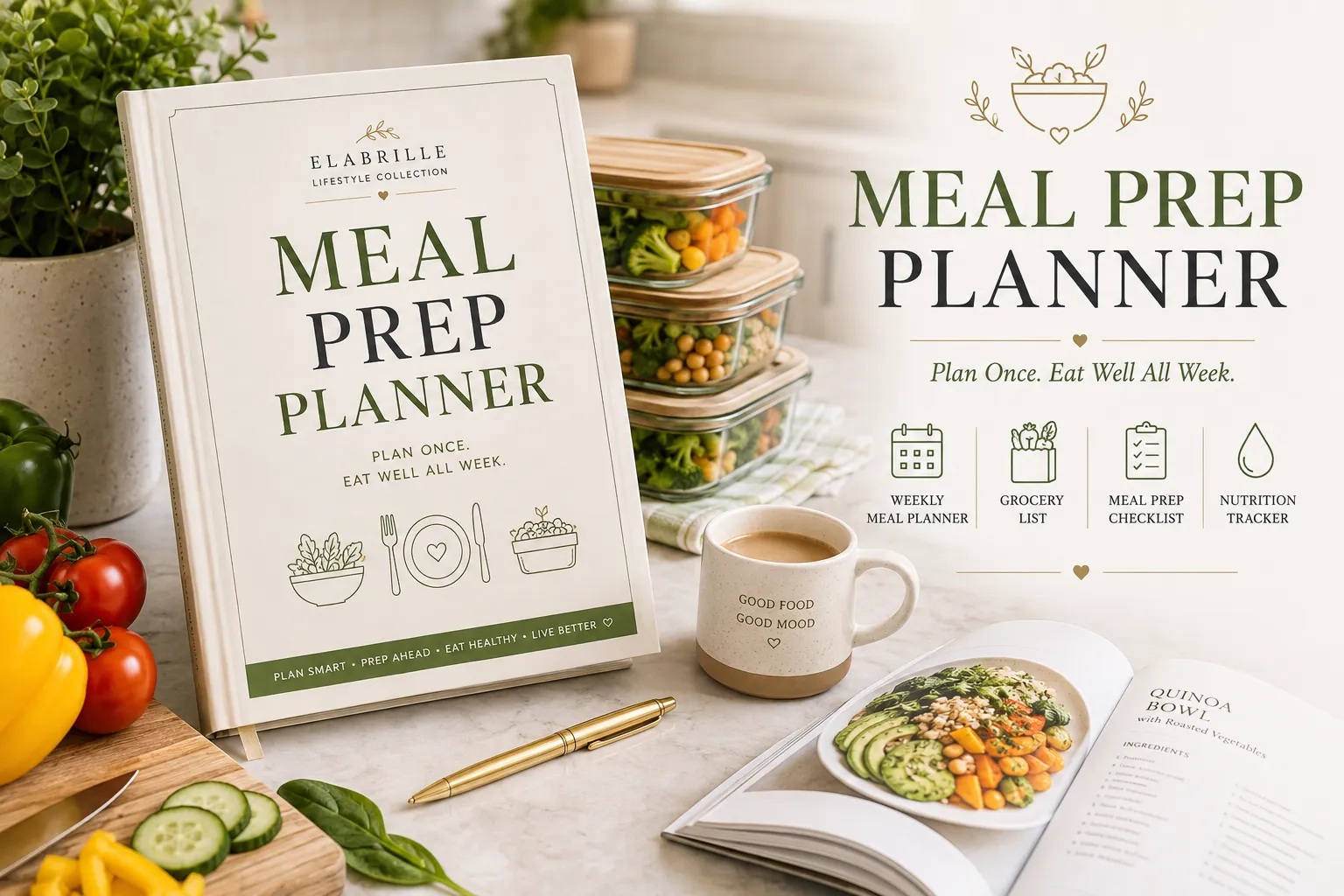
Meal planning involves deciding what you'll eat ahead of time and creating a shopping list based on your plan. With a printable meal planner, you can organize breakfast, lunch, dinner, snacks, and grocery needs in one convenient place.
Whether you're trying to save money, eat more consistently, or simply make your week easier, meal planning is a practical habit worth developing.
What Is a Meal Planner?
A meal planner is a planning tool that helps you organize meals for a specific period, such as a week or month.
A printable meal planner may include:
- Breakfast planning
- Lunch planning
- Dinner planning
- Snack ideas
- Grocery list
- Meal preparation notes
- Pantry inventory
- Recipe ideas
- Weekly notes
Having everything in one place makes it easier to plan meals and shop efficiently.
Benefits of Meal Planning
1. Saves Time
Planning meals before the week begins means you don't have to spend time deciding what to cook every day.
You can prepare ingredients ahead of time and make cooking part of your regular routine.
2. Reduces Food Waste
When you know exactly what meals you're preparing, you can purchase only the ingredients you need.
This helps prevent unused food from sitting in your refrigerator until it goes bad.
3. Makes Grocery Shopping Easier
A meal plan naturally creates a shopping list.
Instead of walking through the grocery store wondering what you need, you can shop according to your prepared list.
4. Helps Control Spending
Planning meals can reduce last-minute takeout and unnecessary grocery purchases.
Buying only what you need can make your food budget easier to manage.
5. Reduces Daily Decision-Making
One of the biggest advantages of meal planning is knowing what's for dinner before the question comes up.
A simple plan can make busy evenings much less stressful.
How to Create a Weekly Meal Plan
Step 1: Check What You Already Have
Before creating your grocery list, look through your refrigerator, freezer, and pantry.
Use ingredients you already have whenever possible.
Step 2: Choose Simple Recipes
Select meals that fit your schedule.
For busy weekdays, choose recipes that require fewer ingredients and less preparation time.
Step 3: Plan Each Meal
Write down what you'll have for breakfast, lunch, and dinner for each day.
You don't need to plan complicated meals. Simple, repeatable options can work extremely well.
Step 4: Create Your Grocery List
Once your meals are selected, list all the ingredients you'll need.
Group items into categories such as:
- Fruits and vegetables
- Dairy
- Grains
- Protein
- Frozen foods
- Pantry items
Step 5: Prepare Ingredients in Advance
Consider washing vegetables, preparing sauces, cooking grains, or portioning snacks ahead of time.
A little preparation can make weekday meals much faster.
Meal Planning Tips for Busy People
Keep Breakfast Simple
Choose a few breakfast options that are easy to prepare.
Examples include oatmeal, yogurt with fruit, smoothies, or eggs.
Prepare Lunches Ahead
Preparing lunch the night before can prevent rushed morning decisions and expensive last-minute purchases.
Use Leftovers
Cook larger portions and use leftovers for another meal.
This saves both time and money.
Designate a Meal Prep Day
Choose one day each week for basic food preparation.
Even 30–60 minutes of preparation can make the rest of your week easier.
Don't Make Every Meal Complicated
Meal planning isn't a competition to create elaborate recipes.
Simple meals that you enjoy are often the easiest to maintain.
What to Include in a Printable Meal Planner
A useful printable meal planner can contain several sections.
Weekly Meal Calendar
Plan breakfast, lunch, dinner, and snacks for each day.
Grocery List
Write down everything you need to purchase.
Recipe Section
Keep favorite recipes or ingredients together for easy reference.
Meal Prep Checklist
List ingredients or meals you want to prepare in advance.
Pantry Inventory
Track staple ingredients you already have at home.
Common Meal Planning Mistakes
Planning Too Many New Recipes
Trying several complicated recipes in the same week can make meal planning feel like extra work.
Start with familiar meals.
Forgetting Your Schedule
Consider your weekly commitments before choosing meals.
A complicated dinner may not be realistic on a particularly busy evening.
Buying Too Much Food
Avoid purchasing ingredients simply because they look appealing.
Shop according to your meal plan and existing pantry supplies.
Ignoring Flexibility
Your plans may change.
Leave room for leftovers, restaurant meals, or unexpected events.
How Meal Planning Can Support a Better Routine
Meal planning can become part of a broader organization system.
You can combine your meal planner with:
- Weekly planners
- Budget planners
- Grocery lists
- Habit trackers
- Daily planners
- Goal planners
For example, you can plan meals on Sunday, create your grocery list immediately afterward, and schedule meal preparation during less busy periods.
This creates a simple weekly routine that saves time and reduces unnecessary decisions.
Why Use a Printable Meal Planner?
Printable meal planners are convenient because you can write down your meals, make changes, and keep your plan somewhere visible.
You can print a new page each week and customize your planning system according to your needs.
They can also be combined with other printable templates to create a complete household organization system.
Final Thoughts
Meal planning doesn't need to be complicated. By choosing simple meals, checking what you already have, creating a grocery list, and preparing ingredients ahead of time, you can make your week easier and more organized.
A meal planner gives you a clear place to organize your meals and grocery needs while helping reduce food waste and unnecessary spending.
Start small, plan one week at a time, and adjust your system until you find a routine that works for you.
Frequently Asked Questions
1. What is a meal planner?
A meal planner is a tool used to organize meals for a week or month and can include meal schedules, grocery lists, recipes, and preparation notes.
2. How far ahead should I plan meals?
Beginners can start by planning one week at a time. Once the routine becomes comfortable, you can experiment with longer-term planning.
3. Can meal planning save money?
Yes. Planning meals can help reduce impulse purchases, unnecessary grocery trips, food waste, and last-minute takeout.
4. What should I include in a meal planner?
A useful meal planner can include breakfast, lunch, dinner, snacks, recipes, grocery lists, and meal preparation notes.
Call to Action
Make weekly meal planning easier with printable meal planners, grocery lists, budget planners, weekly planners, and other organization templates from Elabrille.com. Create a simple planning routine that saves time, reduces stress, and helps you stay organized throughout the week.