Matching New Floors to Older Rooms
By Abdus Salam
11 Views
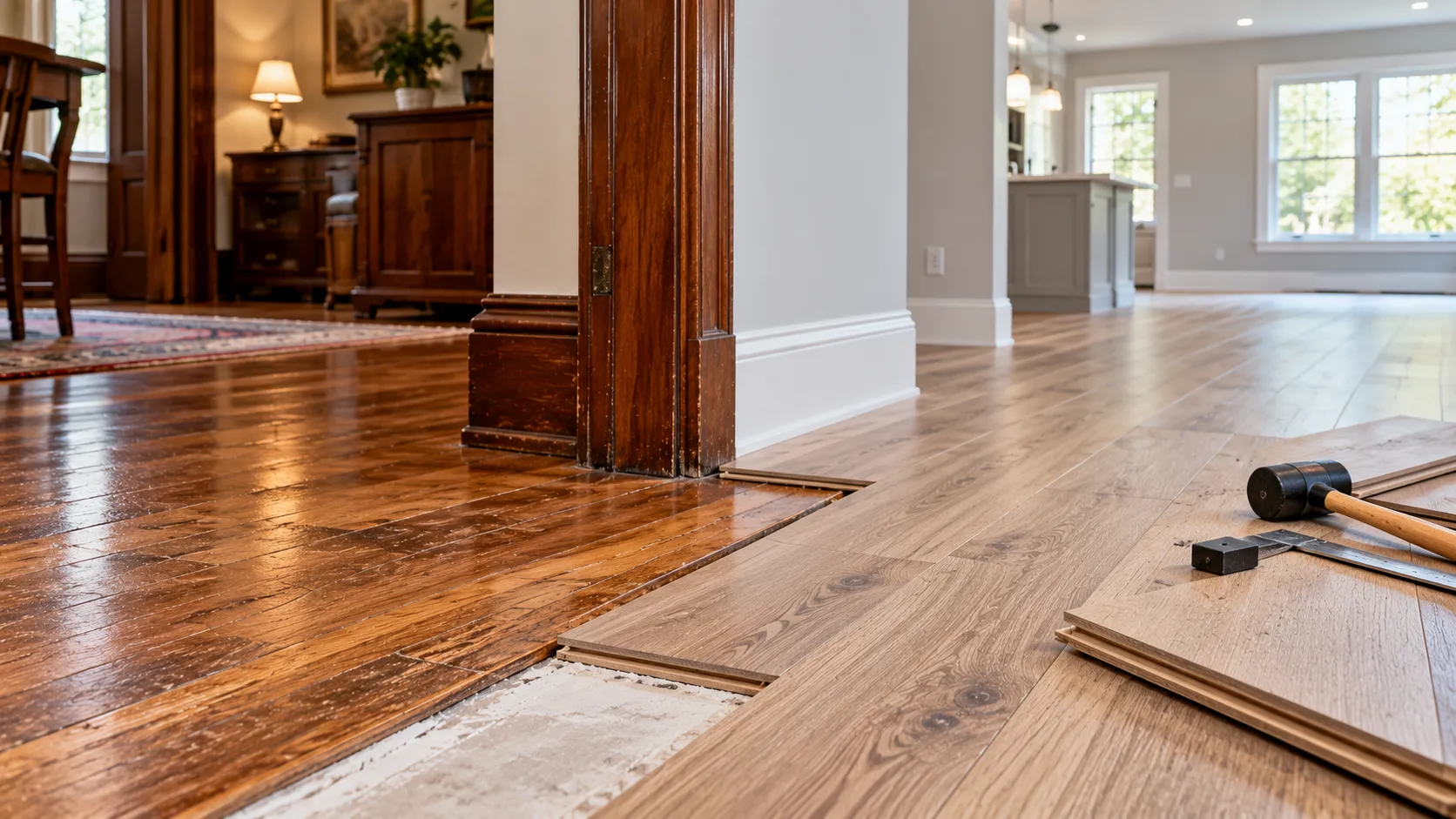
Upgrading flooring in an older home requires a thoughtful approach that balances modern durability with historic architectural character. Older residences often feature unique proportions, original woodwork, and aged patinas that standard modern materials can easily clash with. Simply installing a trending floor style without considering existing trim, subfloor irregularities, and historical context can make a newly renovated room feel disconnected from the rest of the home.
Successfully integrating new flooring into an established living space involves evaluating wood species, plank dimensions, color tones, and transition details. By understanding how light interacts with different finishes and addressing the structural quirks common in vintage properties, homeowners can select flooring options that feel authentic, cohesive, and built to last.
Assessing Architectural Style and Existing Woodwork
Before selecting a flooring material, analyzing the surrounding architectural elements in the home provides essential context. Original door casings, baseboards, crown molding, and built-in cabinetry establish a visual baseline that new flooring should complement rather than contradict.
- Wood Species and Grain Patterns: Homes built in the early-to-mid twentieth century frequently feature oak, maple, heart pine, or Douglas fir flooring. Matching wood grain patterns, such as the pronounced grain of red oak or the subtle, tight lines of maple, preserves visual continuity between rooms.
- Plank Width Proportions: Vintage homes typically utilize narrower plank widths, often ranging from 1.5 to 2.25 inches. While wide-plank flooring is popular in contemporary construction, installing excessively wide boards in a small, historic room can throw off spatial proportions.
- Stain Tones and Undertones: It is rarely necessary to match existing wood trim exactly, but harmonizing undertones is crucial. Warm honey and amber trim pair best with warm or neutral wood flooring, whereas cool grey or dark espresso finishes can create harsh contrast against traditional millwork.
Preparing Subfloors in Historic Homes
Older structures settle over time, resulting in subfloor imperfections that modern flooring materials cannot easily hide. Addressing underlying structural conditions prior to installation is essential for achieving a level, squeak-free finish.
Original subfloors often consist of diagonal board sheathing rather than smooth, modern plywood panels. Over decades of seasonal humidity shifts, these boards can warp, cupping upward or sagging between floor joists. Installing engineered wood or solid hardwood over an uneven subfloor leads to hollow sounds, uneven plank edges, and premature wear. Adding an underlayment layer of exterior-grade plywood or utilizing self-leveling compounds stabilizes the foundation, creating a rigid plane for the new finish floor.
Addressing structural leveling, moisture barrier needs, and subfloor preparation in historic properties often requires specialized expertise. Homeowners navigating complex restoration projects frequently rely on skilled flooring contractors chicago to ensure subflooring is properly stabilized and new materials are installed in full compliance with local building conditions.
Managing Room Transitions and Thresholds
One of the most challenging aspects of installing new flooring in an older home is handling room-to-room transitions. Flooring heights frequently differ between rooms, especially when transitioning from original hardwood corridors into newly tiled kitchens or bathrooms.
Using custom wood reducers, flush-mount t-moldings, or marble threshold sills creates smooth, hazard-free transitions between disparate floor heights. Selecting transition materials that match the primary wood floor or tie into existing architectural threshold accents prevents awkward visual interruptions at doorways. Additionally, undercutting door jambs and baseboards allows new planks to slide neatly underneath, maintaining clean lines without requiring heavy caulking or quarter-round molding.
Selecting Durable Finishes for Vintage Aesthetics
Modern finishing technologies allow homeowners to achieve the classic look of aged wood without sacrificing modern stain resistance and durability.
Matte and satin urethane finishes are generally preferred over high-gloss topcoats in older homes. High-gloss finishes reflect harsh light and highlight subtle subfloor dips, whereas satin and matte sheens soften reflections and conceal minor foot-traffic scuffs. For a truly historic appearance, wire-brushed or hand-scraped textures replicate the gentle wear of original floorboards, allowing new installations to blend effortlessly alongside historic features.
Conclusion
Matching new floors to older rooms is a delicate exercise in architectural harmony. By respecting the original wood species, selecting proportional plank widths, fixing underlying subfloor defects, and crafting thoughtful room transitions, homeowners can introduce modern flooring performance while honoring the timeless character of their home.
Related Reading
Expert Insights: Navigating the Complex World of Home Improvement
Welcome to our in-depth exploration of Home Improvement. In an era defined by ra...
Why Home Improvement is Transforming the Global Industry Landscape
Welcome to our in-depth exploration of Home Improvement. In an era defined by ra...