Mastering the Custom Home Journey: Architect Collaboration & Personalized Finishes
137 Views
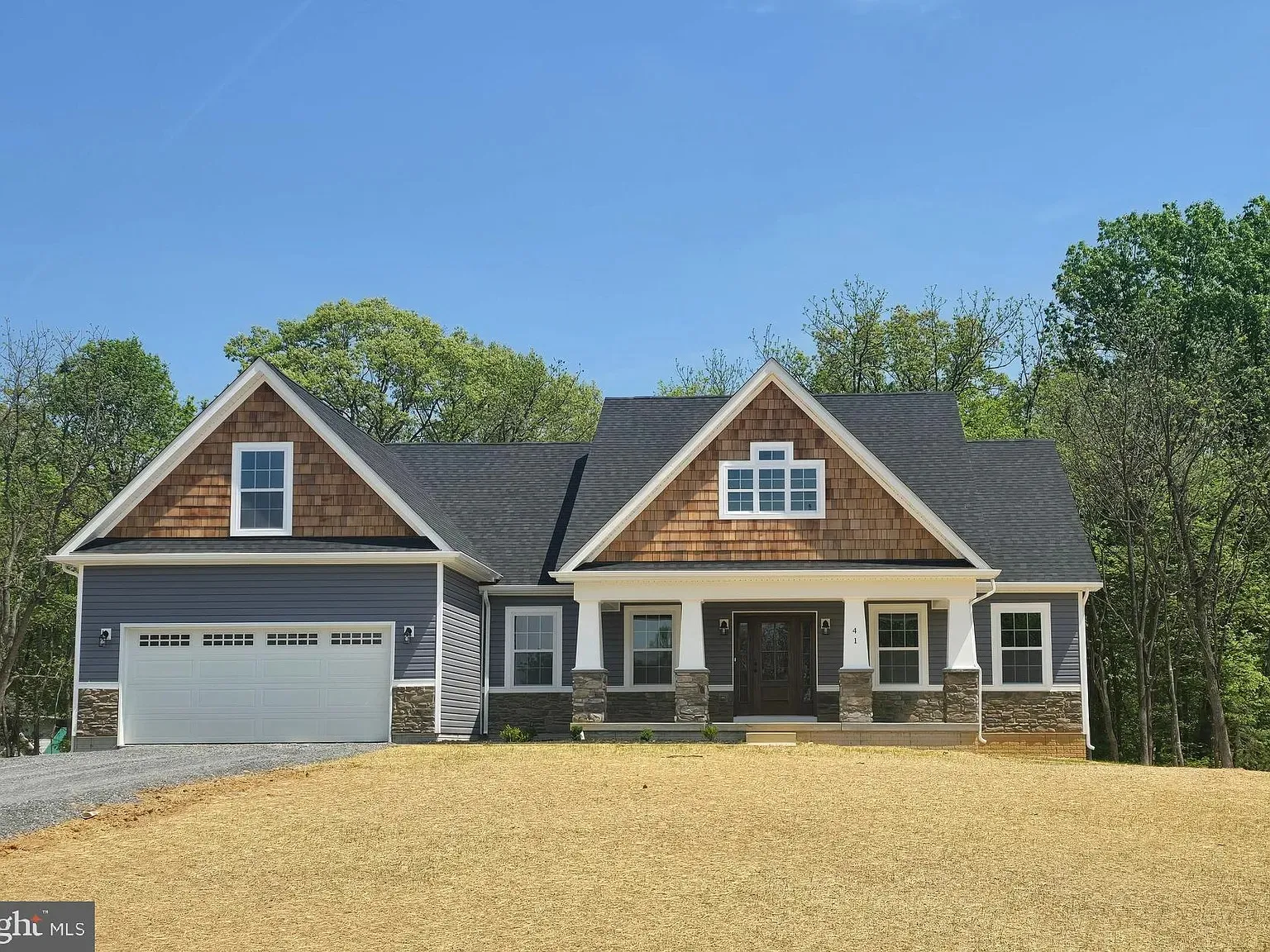
The development of a custom home within the Eastern Panhandle of West Virginia is far from simply a building process; it is a form of curation, integration, and intense self-expression. If you desire to make yourself part of the panoramic views of the rivers that sweep across the landscapes of Morgan County, create a home that pays tribute to the heritage of Jefferson County through a traditional yet elegant style, or create a luxurious mountain-style home against the backdrop of the limestone mountains of Berkeley County, it all depends on how smoothly you can transition from conception to actuality.
In order to create something unique and timeless, two elements should never waver during the building process: a smooth working relationship between the design and construction teams and careful consideration when choosing personalized finishes. The reason why custom homes do not turn out to be what they are envisioned is seldom a problem of ambition but rather of mismatching visions on paper and reality on the job site.
The Power of Early Architect-Builder Collaboration
The classical approach to homebuilding usually involves keeping design and construction processes entirely isolated from each other. A homebuyer engages an architect who comes up with the most beautiful drawings in total isolation from anything else, receives payment for the completed drawing, and gives those drawings to a contractor for implementation. Of course, such a practice is bound to cause problems.
When you foster an environment where your architect and your chosen custom crew collaborate from day one, you unlock a dynamic known as pre-construction synergy.
1. Eliminating the "value engineering" Heartbreak
Architects understand how to work wonders with space, lightness, and new forms. But they are not always connected to the week-to-week changes in material availability, local wages, and excavation variables. In the case when an architect comes up with a complicated multilayered foundation or an elegant cantilever roof structure without any discussion with the construction team, the result will definitely turn out more expensive than the client is willing to afford. Early coordination lets the team give live costing advice, while at the same time leaving room for maneuver in the planning.
2. Navigating West Virginia’s Distinct Topography
Regional expertise is necessary when building within the terrain of Eastern Panhandle. Berkeley County, with its complicated karst geology, calls for special structural engineering in order to undertake an excavation. In Jefferson County, strict zoning rules exist regarding historical architecture in Shepherdstown, necessitating special consideration for the elevation of any structure. Morgan County includes steep rocky mountainsides that will call for a specially designed building and drainage system. With your architect sitting at the table with a well-seasoned regional creator at the beginning of the process, your house has been structurally engineered for your exact piece of land.
3. Resolving Conflicts on Paper, Not on Site
Even the most perfect two-dimensional drawings will be able to highlight structural discrepancies when they are constructed in three dimensions at the job site. When there is an issue between a structural steel member and an HVAC trunk line or complex window frame, the single contractor has no choice but to stop work and fill out a Request for Information (RFI). But when using a collaborative approach, such issues are solved through advanced three-dimensional modeling software well before any dirt is turned.
Balancing Timeless Elegance with Modern Innovations
Though trends change, a custom home in West Virginia must always be rooted in its environment but still incorporate the practicality of the modern era. Think about combining traditional materials of the area, such as reclaimed wood mantles, local stone features, or deeply placed windowsills, with sleek modern cabinetry and quartz countertops.
Furthermore, personalized finishes must accommodate your family's lifestyle. A family with young children and pets building near the outdoor recreational trails of Morgan County might opt for high-durability engineered hardwood or luxury stone tile rather than delicate, porous stones that require intense maintenance.
The Role of an Integrated Selection Process
The selections phase can easily become overwhelming for homeowners. To prevent "decision fatigue," a highly organized custom building process should utilize a structured selection schedule. Rather than expecting you to choose every tile, grout color, light switch, and doorknob all at once, choices are introduced in phases that align perfectly with the construction timeline.
- Foundation/Framing
- Drywall/Mechanicals
- Finishing Touches
Creating Your Sanctuary in the Panhandle
Making a choice to construct a custom home is investing not only in the future of your family but also in the community that you are joining. Demanding an open channel of communication between your architect and the construction team allows you to protect your finances, save time, and avoid conflict – which is very common during the construction process. Combined with a careful selection process of customized finishes, the whole process transforms from a nightmare into an exciting adventure.
As you prepare to establish your foundations within the distinctive terrain of Berkeley, Jefferson, or Morgan County, choosing the appropriate partner that will spearhead the building process is essential for your mental well-being. If you require an exceptional experience of collaboration in which architectural elegance combines with extraordinary craftsmanship, partnering with a reputable local house builder like TrueNorth Custom Homes will ensure that your dream home will be built with impeccable perfection and excellence.
Related Reading
Expert Insights: Navigating the Complex World of Home Improvement
Welcome to our in-depth exploration of Home Improvement. In an era defined by ra...
Why Home Improvement is Transforming the Global Industry Landscape
Welcome to our in-depth exploration of Home Improvement. In an era defined by ra...