Marriage Counselling After Infidelity: Can Couples Rebuild Trust?
20 Views
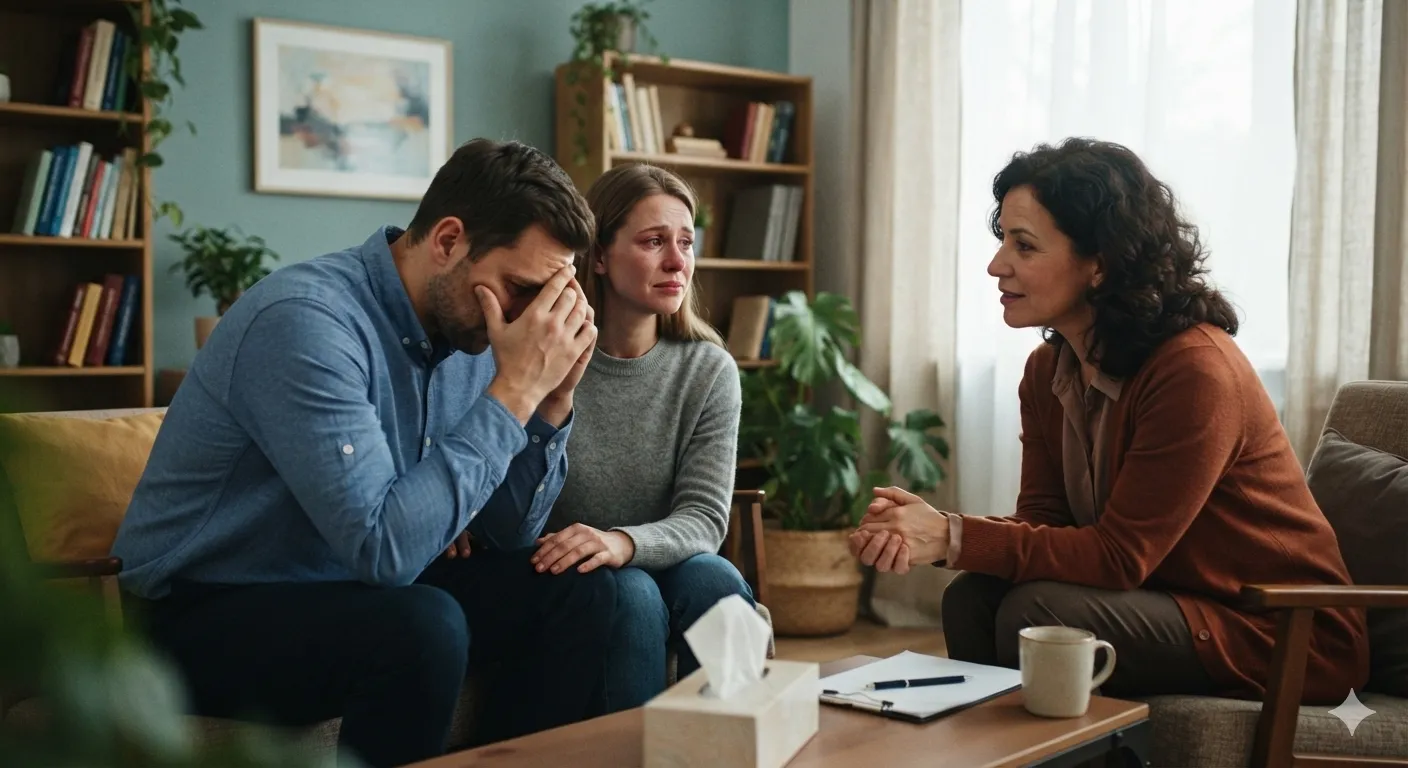
Discovering that your partner has had an affair can change how you see your relationship, your partner, and sometimes even yourself. Anger, shock, sadness, insecurity, guilt, and confusion can appear at the same time. One of the most difficult questions couples may face is whether the relationship can recover after trust has been broken.
Marriage counselling after infidelity can provide a structured space for couples to understand what happened, communicate difficult emotions, address relationship patterns, and decide what they want to do next. Counselling does not guarantee that every marriage will stay together. Instead, it can help partners approach the situation with greater clarity and professional support.
Why Does Infidelity Affect a Marriage So Deeply?
Infidelity is not only about the act of cheating. For many couples, it can disrupt their sense of trust, emotional security, intimacy, and understanding of the relationship.
The partner who discovers the affair may experience questions such as:
- “Why did this happen?”
- “What else don't I know?”
- “Can I trust my partner again?”
- “Was our relationship ever genuine?”
- “What should I do now?”
The partner who had the affair may experience guilt, shame, fear, defensiveness, or uncertainty about how to repair the damage.
These emotional reactions can make ordinary conversations extremely difficult. A discussion about the relationship may quickly turn into blame, repeated questioning, arguments, or emotional withdrawal.
This is one reason infidelity counselling can be different from general relationship advice. The couple may need help addressing both the immediate emotional impact and the relationship patterns surrounding the crisis.
Can Marriage Counselling Help After Infidelity?
Yes, counselling can help some couples work through the aftermath of infidelity, although the outcome varies from relationship to relationship.
A therapist may help couples:
- Understand the impact of the affair
- Express anger and hurt safely
- Identify unhealthy communication patterns
- Explore factors that contributed to relationship difficulties
- Establish healthier boundaries
- Work through trust issues
- Develop more constructive communication
- Discuss whether and how the relationship can continue
The purpose is not simply to tell the couple to “forgive and forget.”
For many couples, rebuilding trust after cheating requires consistent communication, accountability, transparency, and changes in behaviour over time.
Research and clinical guidance on couples therapy after infidelity also describe therapy as a process of understanding the event, stabilising the relationship, improving communication, and working toward repair where both partners choose to continue the relationship.
What Happens in Couples Counselling After an Affair?
The first sessions may focus on understanding what happened and how the affair has affected each partner.
The therapist may explore:
- What each partner is experiencing emotionally
- How the affair was discovered
- Current communication difficulties
- Whether the affair has ended
- Existing relationship concerns
- Expectations about the future
- What each partner needs to feel emotionally safer
The therapist may also help prevent conversations from becoming repetitive cycles of accusation and defensiveness.
As therapy progresses, the focus may shift toward healing after infidelity, rebuilding communication, understanding emotional needs, and developing realistic expectations for the relationship.
The process is not necessarily about returning to exactly how the relationship was before. Some couples may instead work toward creating a healthier way of relating after the crisis.
How Can Couples Rebuild Trust After Cheating?
Trust usually cannot be restored through one apology or one conversation.
It may require repeated experiences of honesty and reliability.
Depending on the circumstances, rebuilding trust may involve:
1. Acknowledging the Hurt
The emotional impact of betrayal needs to be recognised rather than dismissed.
Statements such as “You should be over it by now” can make the injured partner feel even more isolated.
2. Taking Responsibility
Repair becomes difficult when conversations constantly shift toward excuses or blame.
Taking responsibility does not mean accepting responsibility for every problem in the relationship. It means acknowledging one's own choices and their consequences.
3. Improving Transparency
Depending on the couple's circumstances and mutually agreed boundaries, greater transparency may help reduce uncertainty and rebuild a sense of emotional safety.
4. Communicating Consistently
Trust develops through patterns of behaviour. Keeping promises, communicating honestly, and following through on commitments can become important parts of relationship repair.
5. Allowing Time
There is no universal timetable for recovering from infidelity. Some couples may experience progress relatively quickly, while others may need considerably more time to process the betrayal.
Trying to force forgiveness before the underlying hurt has been addressed can create additional pressure.
Does Forgiveness Mean Forgetting the Affair?
No.
Forgiveness and forgetting are not the same thing.
A person may eventually choose to forgive while still recognising that the affair had serious consequences. Similarly, deciding to continue a marriage does not mean that the injured partner must immediately stop feeling hurt or asking questions.
In counselling, the focus may be on understanding the experience, processing emotions, establishing healthier relationship patterns, and determining what both partners need moving forward.
The goal is not to erase what happened. It is to develop a healthier way of responding to what happened.
What If the Same Relationship Problems Existed Before the Affair?
Infidelity can sometimes bring previously unaddressed relationship problems into the open.
Couples may discover longstanding concerns involving:
- Emotional disconnection
- Poor communication
- Lack of intimacy
- Unresolved resentment
- Repeated conflict
- Different expectations
- Emotional neglect
- Difficulty expressing needs
However, identifying relationship problems does not mean that responsibility for an affair is automatically shared equally.
A therapist can help separate two questions:
What relationship difficulties existed?
and
What choices were made in response to those difficulties?
This distinction can make conversations more constructive and reduce unproductive cycles of blame.
Can Couples Counselling Help If One Partner Is Unsure About Staying?
Yes, counselling does not always have to begin with the assumption that the couple has already decided to remain together.
Some couples may initially be uncertain about the future.
Relationship counselling can provide space to explore questions such as:
- Do we both want to work on the relationship?
- What would rebuilding trust require?
- What changes would need to happen?
- Are we able to communicate safely?
- What boundaries are necessary?
- What does each person want moving forward?
The purpose is to support informed decision-making rather than force reconciliation.
When Is Professional Support Especially Important?
Consider seeking professional help when conversations repeatedly become hostile, trust remains severely damaged, resentment continues to grow, or the couple feels unable to discuss the affair without becoming overwhelmed.
A qualified therapist can provide structure when emotions make communication difficult.
However, if a relationship involves physical violence, threats, intimidation, coercive control, or fear of retaliation, standard joint counselling may not be appropriate as the first step. Safety-focused and individual professional support should take priority.
Frequently Asked Questions About Marriage Counselling After Infidelity
Can a marriage survive infidelity?
Some couples are able to rebuild their relationship after infidelity, while others decide to separate. There is no single outcome that applies to every couple.
How long does it take to rebuild trust after cheating?
There is no fixed timeline. Recovery can depend on the circumstances of the affair, the level of emotional injury, communication patterns, accountability, and both partners' willingness to work through the situation.
Should couples go to counselling after cheating?
Professional support can be useful when the couple is struggling to communicate, process emotions, understand what happened, or determine how to move forward.
Can trust really be rebuilt after an affair?
Trust can sometimes be rebuilt through consistent honesty, accountability, communication, agreed boundaries, and sustained changes in behaviour. It generally takes more than a single apology.
Does couples counselling force you to stay together?
No. Counselling can help couples explore their relationship and make decisions with greater clarity. It should not be treated as a guarantee that a marriage must continue.
Key Takeaway
Infidelity can create a major rupture in a relationship, but the aftermath does not have to be managed through blame, silence, or rushed decisions.
Marriage counselling after infidelity can give couples a structured environment to process difficult emotions, understand relationship patterns, communicate more effectively, and explore whether trust can be rebuilt.
For some couples, the work may involve repairing the relationship. For others, counselling may help them understand their options and move forward separately with greater clarity.
What matters is that the process is approached with honesty, accountability, emotional safety, and realistic expectations.
If repeated conflict, betrayal, or unresolved trust issues are making it difficult to communicate, speaking with a qualified relationship or couples therapist can provide professional guidance tailored to the couple's circumstances.