Mangal Bhat Puja Ujjain Significance, Vidhi, Benefits and Booking Guide
By Pandit G
26 Views
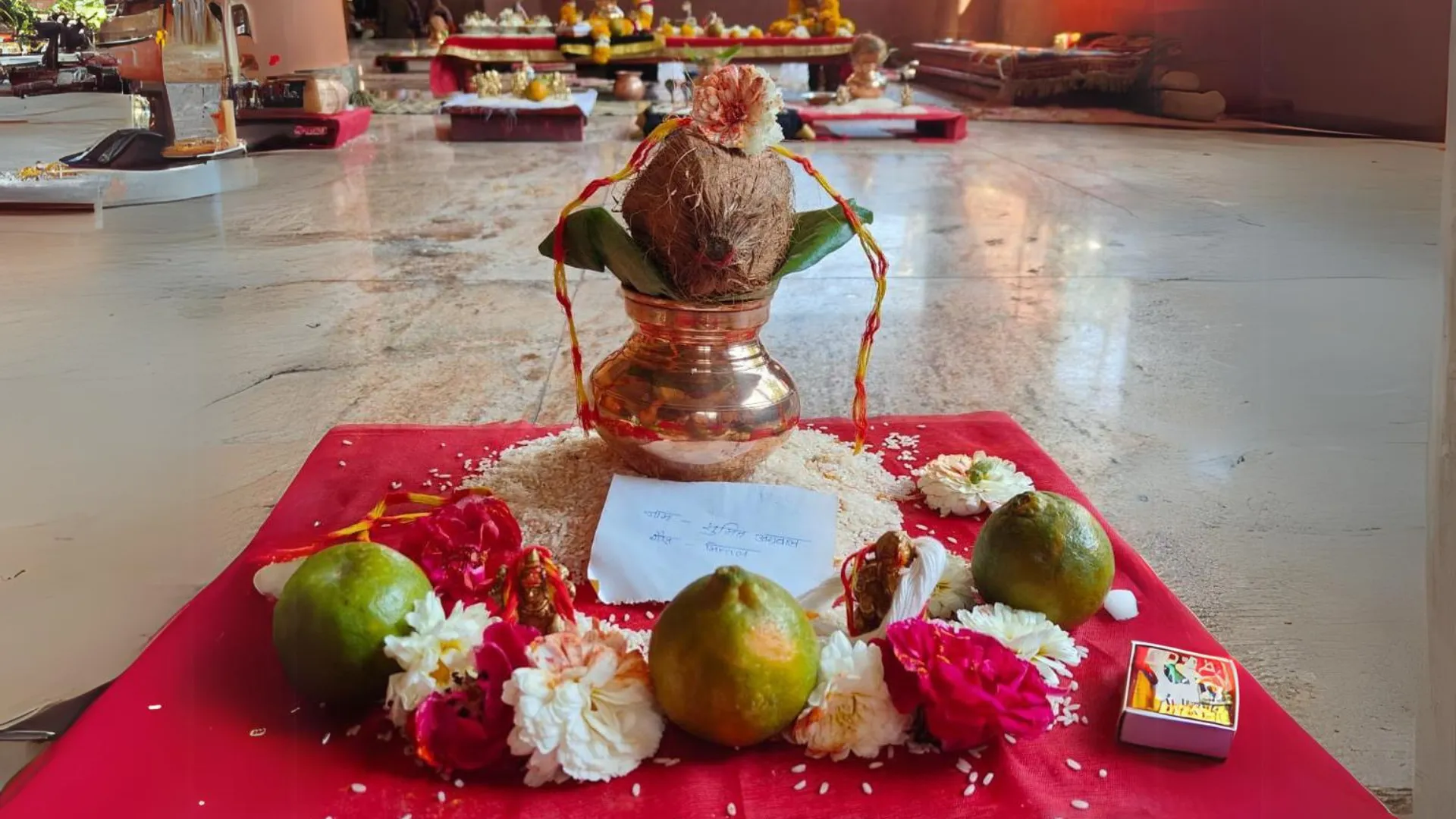
Mangal Bhat Puja Ujjain is a traditional Hindu ritual associated with Lord Mangal (Mars) and is commonly performed by devotees seeking spiritual remedies for Mangal Dosha or Manglik Dosha. Ujjain holds special importance for Mangal worship because Mangalnath Temple is traditionally regarded as the birthplace of Mars. The temple is situated near the Shipra River and is dedicated to Lord Shiva.
For families preparing for marriage or individuals whose birth chart is believed to have an unfavorable Mars placement, Mangal Bhat Puja is often considered an important religious remedy. The ritual is performed according to traditional Vedic practices with prayers, offerings, mantras and sankalp.
What Is Mangal Bhat Puja?
Mangal Bhat Puja is a traditional anushthan in which bhaat, meaning cooked rice, is offered as part of the prescribed worship of Mangal Dev. At Mangal Nath Mandir, the ritual is particularly associated with devotees seeking remedies related to Mangal Dosha.
The ritual is generally performed with the devotee's name and gotra, along with other prescribed samagri and mantras. Depending on the family tradition and the guidance of the priest, the ceremony may include:
-
Sankalp in the devotee's name
-
Mangal mantra chanting
-
Shiva worship and abhishek
-
Bhaat and other traditional offerings
-
Aarti and prayers
-
Prasad after completion
The exact procedure can vary according to temple tradition, priestly guidance and the devotee's kundli.
Why Is Mangal Bhat Puja Performed in Ujjain?
Ujjain has a strong religious association with Mangal. The District Ujjain administration states that Mangalnath is regarded as the birthplace of Mars according to the Matsya Purana. Madhya Pradesh Tourism also describes Mangalnath Temple as the birthplace of Lord Mangal and notes its connection with astronomy and spiritual traditions.
This association makes Ujjain an important destination for devotees performing Mangal-related worship.
The temple is located in a peaceful area overlooking the Shipra River, providing a traditional spiritual setting for worship. Tuesday is traditionally associated with Mangal and is considered an important day for Mars worship.
What Is Mangal Dosha?
In Vedic astrology, Mangal Dosha, also called Manglik or Kuja Dosha, is traditionally associated with certain placements of Mars in a person's birth chart. Astrologers may examine Mars from the ascendant and, depending on the tradition followed, from the Moon or Venus as well.
Commonly considered houses include:
-
1st house
-
2nd house
-
4th house
-
7th house
-
8th house
-
12th house
However, the presence of Mars in one of these houses does not automatically mean that a person will experience a particular outcome. Astrologers generally examine the complete kundli, including planetary strengths, aspects and possible cancellations, before recommending a remedy.
Therefore, anyone considering Mangal Bhat Puja should ideally have their birth chart assessed rather than relying only on one planetary placement.
Who Can Consider Mangal Bhat Puja?
Mangal Bhat Puja is traditionally considered by people who have been advised to perform Mangal-related worship based on their kundli.
It may be considered for:
-
People identified as Manglik in traditional astrology
-
Individuals preparing for marriage
-
Families seeking traditional remedies for Mangal Dosha
-
Couples who wish to perform a religious ritual before marriage
-
Devotees seeking prayers associated with Mars and Lord Shiva
-
People following family or priestly traditions related to Mangal worship
The purpose of the ceremony is religious and spiritual. It should not be presented as a guaranteed solution for marriage, health, financial or other worldly problems.
Mangal Bhat Puja Vidhi in Ujjain
The exact Mangal Bhat Puja Vidhi can differ according to temple and priestly tradition. A typical ceremony may follow a sequence similar to the following:
1. Sankalp
The puja begins with a sankalp, in which the devotee's name, gotra and purpose of the worship are stated according to the prescribed ritual.
2. Ganesh and Shiva Worship
Prayers may be offered to Lord Ganesha and Lord Shiva before proceeding with the Mangal-related rituals.
3. Mangal Mantra and Worship
Mantras associated with Mangal Dev are recited according to the prescribed vidhi. The priest performs the ritual while the devotee participates in the appropriate offerings.
4. Bhaat Offering
Cooked rice, known as bhaat, forms an important part of this traditional ceremony. Other offerings may also be included according to the ritual being performed.
5. Abhishek and Aarti
Depending on the specific anushthan, Shiva worship, abhishek, mantra chanting and aarti may form part of the concluding stages.
6. Prasad and Blessings
After completion, prasad is distributed and the ceremony concludes with prayers and blessings.
Benefits of Mangal Bhat Puja
Devotees perform this ritual with faith and the intention of seeking spiritual peace and blessings. Traditional beliefs associate Mangal worship with strengthening positive qualities represented by Mars, such as courage, discipline, determination and energy.
People may seek the ritual for:
-
Spiritual peace and mental reassurance
-
Traditional Mangal Dosha remedies
-
Blessings before marriage
-
Strengthening devotion toward Lord Shiva
-
Seeking harmony within family life
-
Following an astrologer's traditional recommendation
It is important to understand that religious rituals are matters of faith. They should not be treated as a guaranteed method for producing a specific personal or worldly result.
Best Day for Mangal Bhat Puja
Tuesday is traditionally regarded as an important day for worship associated with Mangal. Madhya Pradesh Tourism notes that Tuesday has a particular association with Mangal worship at Mangalnath Temple.
However, the most suitable date can depend on the person's kundli, tithi, nakshatra and the priest's assessment. Devotees should confirm the available muhurat before planning their visit.
Special dates can also become busy, so advance planning may be useful.
What Should You Bring for Mangal Bhat Puja?
The required samagri depends on the specific puja and temple arrangements. Commonly required items may include:
-
Cooked rice or bhaat
-
Flowers
-
Fruits
-
Incense
-
Deepak
-
Kumkum or other traditional worship materials
-
Water
-
Prasad
-
Other items prescribed by the priest
If the puja is being arranged through a temple or priest, confirm the samagri requirements beforehand to avoid carrying unnecessary items.
Mangal Bhat Puja Duration
The duration of the ceremony depends on the type of anushthan, number of participants, mantra jaap and other rituals included.
Some temple guidance places Bhaat Puja within a morning-to-afternoon puja window, while individual ceremonies can vary in duration.
It is best to confirm the exact reporting time and expected duration when arranging the puja.
Mangal Bhat Puja Cost in Ujjain
The Mangal Bhat Puja cost in Ujjain is not fixed universally. Prices can differ according to:
-
Type of puja
-
Number of participants
-
Required samagri
-
Priest's dakshina
-
Mantra jaap
-
Havan or additional rituals
-
Individual or group arrangements
-
Temple-related arrangements
Because prices and arrangements can change, devotees should confirm the current charges and inclusions before booking.
How to Prepare for Mangal Bhat Puja in Ujjain
A little preparation can make the visit easier.
Before the Puja
-
Keep your birth details available if the ritual is based on your kundli.
-
Carry the correct name and gotra of the yajman.
-
Confirm the date and muhurat.
-
Ask which samagri is required.
-
Confirm the reporting time.
-
Wear clean and comfortable traditional clothing.
-
Follow the priest's instructions regarding fasting or food restrictions.
During the Puja
Participate respectfully in the sankalp, mantra chanting and offerings. Follow the instructions provided by the priest rather than performing unfamiliar rituals independently.
Why Choose Ujjain for Mangal Bhat Puja?
Ujjain has a long-standing association with Hindu religious traditions, astronomy and planetary worship. Mangalnath Temple is officially recognized as an important religious site, and the District Ujjain administration identifies it with the traditional belief that Mangal was born there.
The temple's location beside the Shipra River and its connection with Lord Shiva further contribute to its spiritual importance.
For devotees specifically looking for a traditional setting for Mangal-related worship, this makes Ujjain a significant pilgrimage destination.
Mangal Bhat Puja Booking in Ujjain
If you are planning Mangal Bhat Puja in Ujjain, it is advisable to arrange the ceremony in advance, particularly if you want a specific Tuesday or auspicious date.
A typical booking process may involve:
-
Providing the devotee's name and gotra.
-
Sharing birth details when kundli-based guidance is required.
-
Discussing the purpose of the puja.
-
Selecting an appropriate date or muhurat.
-
Confirming the puja procedure and samagri.
-
Reaching the temple at the specified time.
-
Completing the sankalp and traditional ceremony.
For assistance with arranging the ritual and understanding the traditional procedure, devotees can consult a qualified priest or established puja service in Ujjain.
Frequently Asked Questions About Mangal Bhat Puja Ujjain
Is Mangal Bhat Puja performed for Mangal Dosha?
Yes. Traditionally, Bhaat Puja is associated with Mangal-related worship and is commonly performed when a person is advised to undertake a remedy for Mangal Dosha.
Is Tuesday the best day for Mangal Bhat Puja?
Tuesday is traditionally associated with Mangal worship. However, the appropriate date can depend on the individual's kundli and the muhurat recommended by the priest.
Is Mangal Bhat Puja only for unmarried people?
No. Although it is commonly associated with pre-marriage Manglik rituals, the appropriate form of worship depends on the individual's circumstances and traditional guidance.
How long does Mangal Bhat Puja take?
The duration varies according to the ritual format, mantra jaap and additional ceremonies. Confirm the expected duration with the priest when booking.
What is the difference between Mangal Bhat Puja and Mangal Dosh Puja?
Both are associated with Mangal worship, but they are not necessarily identical rituals. Bhaat Puja specifically includes the traditional bhaat offering, while Mangal Dosh Puja may involve a broader sequence of mantras, offerings, abhishek and other prescribed rituals.
Do I need my kundli for Mangal Bhat Puja?
If the ritual is being recommended specifically as a kundli-based remedy, birth date, time and place can be useful for astrological assessment. For a general devotional ceremony, requirements may differ.
Can Mangal Bhat Puja guarantee marriage or remove all problems?
No religious ritual can responsibly guarantee a particular worldly outcome. Mangal Bhat Puja is performed as a matter of faith and traditional religious practice.
Conclusion
Mangal Bhat Puja Ujjain holds an important place among traditional Mangal-related rituals because of Ujjain's long-standing association with Mangalnath and Mars worship. The Mangalnath Temple is regarded in Hindu tradition as the birthplace of Mangal, making it a significant destination for devotees seeking traditional planetary worship.
Whether you are preparing for marriage, have been advised to perform a Mangal Dosha remedy, or simply wish to follow a traditional spiritual practice, understanding the ritual beforehand can help you plan your visit properly. Check the required samagri, muhurat, procedure and current arrangements with the priest before travelling to Ujjain.
For guidance regarding Mangal Bhat Puja Ujjain, devotees can seek assistance from experienced Vedic priests and make arrangements according to their individual religious traditions.
Related Reading
Why Lifestyle & Culture is Transforming the Global Industry Landscape
Welcome to our in-depth exploration of Lifestyle & Culture. In an era define...
Expert Insights: Navigating the Complex World of Lifestyle & Culture
Welcome to our in-depth exploration of Lifestyle & Culture. In an era define...