Man Made Diamonds Pendants: A Clear Guide to Style, Quality, and Smart Buying
57 Views
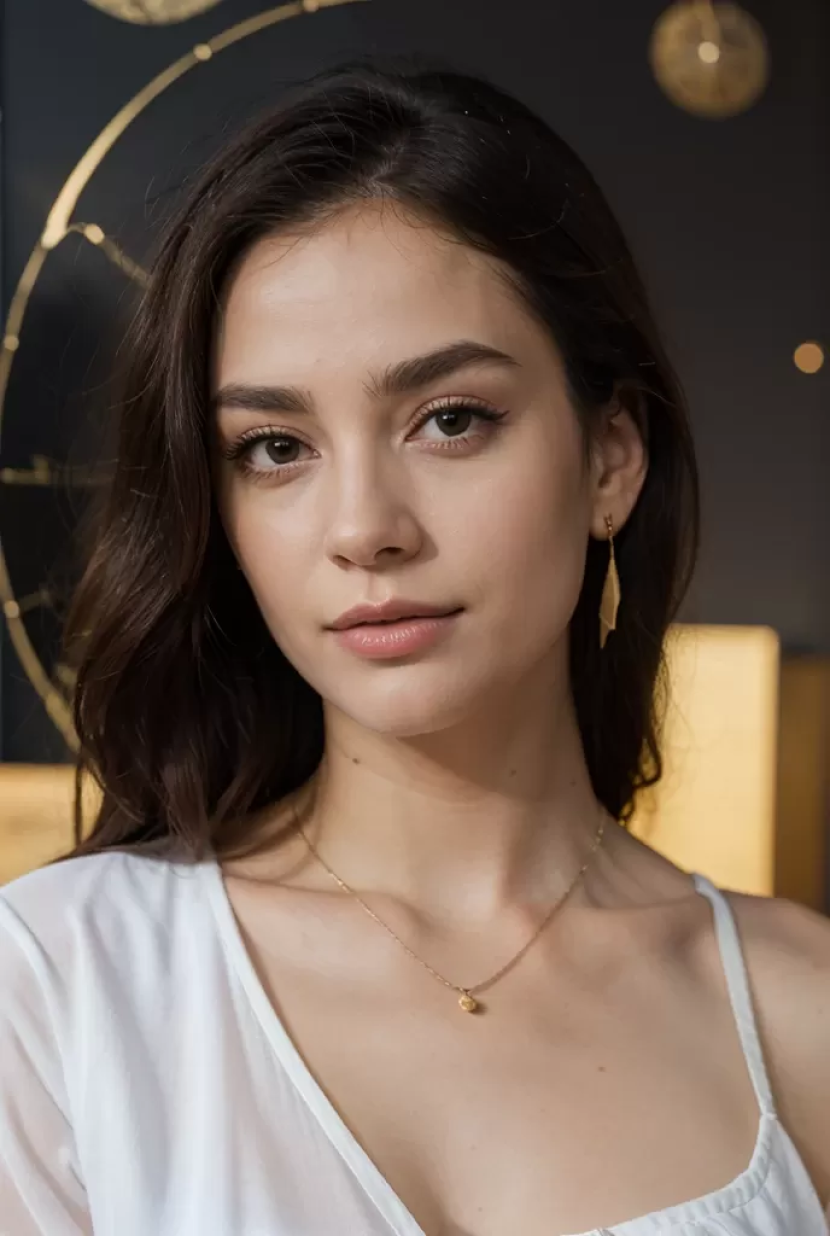
Man made diamonds pendants have become a practical choice for buyers who want real diamond beauty in an everyday piece. These pendants use diamonds grown in controlled conditions rather than mined from the earth. GIA says laboratory-grown diamonds have essentially the same chemical, physical, and optical properties as natural diamonds, and the FTC says sellers should clearly disclose that the stones are laboratory-created rather than mined.
That matters because many shoppers still confuse man made diamonds with imitation stones. They are not the same thing. A man made diamond is still a diamond. It has the same crystal structure as a mined diamond, while simulants such as moissanite are different materials altogether.
What man made diamonds pendants really are
The term man made diamonds usually refers to laboratory-grown diamonds. Manufacturers create them through processes such as High Pressure High Temperature, called HPHT, or Chemical Vapor Deposition, called CVD. Those methods grow diamond crystal in a controlled setting instead of forming it underground over geologic time.
For pendant buyers, that origin story affects labeling more than appearance. By eye, a well-cut laboratory-grown diamond can look the same as a well-cut mined diamond. GIA notes that trained labs need advanced instruments to separate them with certainty, which is why clear disclosure and proper documentation matter.
Why Man Made Diamonds Pendants appeal to Many Buyers
A pendant places the man made diamonds pendants at the center of the neckline, so the stone becomes the focus right away. That makes shape, sparkle, and metal choice easy to notice. Buyers who want a clean, versatile piece often start with a pendant because it works for daily wear, gifting, and layering with other necklaces.man made diamonds pendantsman made diamonds pendants
Another reason is flexibility in design. A small round solitaire creates a classic look. A pear or oval shape feels softer and longer. A halo adds visual spread around the center stone, while a bezel creates a smoother, more modern outline. GIA also notes that bezel settings add protection, while prong settings allow more light into the stone.
How to judge quality in man made diamonds
The same quality basics used for mined diamonds apply here. GIA’s 4Cs system evaluates cut, color, clarity, and carat weight, and it remains the standard framework for understanding diamond quality. In a pendant, cut often deserves the closest attention because it drives brightness, sparkle, and fire.
Color still matters, but the best choice depends on the look you want. Near-colorless grades usually suit white gold and platinum styles. Warm metal can also flatter slightly lower color grades. Clarity matters too, though many necklace buyers prefer eye-clean stones rather than paying extra for features visible only under magnification. GIA’s clarity scale judges inclusions and blemishes at 10x magnification.
Shape also deserves careful thought. Shape describes the outline of the stone, such as round, oval, pear, or heart. It does not mean the same thing as cut. That distinction helps buyers compare pendants more accurately, especially when two stones share a shape but differ in brilliance.
Best pendant settings for everyday wear
A solitaire setting remains the simplest option. It keeps attention on one diamond and works with almost any wardrobe. This style also makes the 4Cs easier to notice because fewer surrounding details compete with the center stone.
A bezel setting suits buyers who want clean edges and extra security. GIA notes that bezel designs protect the stone well, which makes them useful for active wearers. The tradeoff is that more metal surrounds the diamond, so a poorly cut stone may look less lively than it would in a more open setting.
Prong settings create a lighter look. They expose more of the diamond and can help light enter the stone. GIA notes that prong designs usually allow a bigger visual display than bezel styles, so they can suit buyers who want more sparkle from a modest carat weight.
Halo pendants offer a different effect. Small accent diamonds trace the center stone and make the pendant look larger. This style works well for gift jewelry because it looks dressy without requiring a very large center diamond. It also suits buyers who like more presence at the neckline.
What to check before you buy
Start with the product description. The FTC’s Jewelry Guides stress that sellers should describe laboratory-created diamonds clearly and should not imply that a lab-grown stone is mined. Terms such as laboratory-grown or laboratory-created help shoppers understand origin right away.
Next, ask for grading information. GIA says a diamond grading report helps buyers know what they are purchasing, and its Report Check tool lets people confirm report details in the GIA database. For a meaningful center stone, that extra step adds useful confidence.
Also review the full piece, not just the diamond. Check the metal type, chain strength, clasp quality, and the way the pendant hangs. A fine stone can still disappoint if the chain feels flimsy or the pendant flips forward during wear. Good design depends on balance as much as stone quality.
Caring for man made diamonds pendants
Man made diamonds pendants need routine care, just like mined diamond jewelry. GIA recommends soaking diamond jewelry in warm water with a few drops of mild dish soap, then using a soft clean toothbrush to remove dirt, especially behind the stone where oil collects.
Storage matters too. Keep the pendant separate from other jewelry when possible. Diamonds are extremely hard, so they can scratch softer materials and even mark other diamonds if pieces rub together. A small pouch or fabric-lined box helps prevent avoidable wear.
The bottom line
Man made diamonds pendants make sense for buyers who want a real diamond center stone in a practical format. The key is to shop with clear terms and sharp questions. Focus on cut, choose a setting that fits your lifestyle, verify grading details when the center stone is important, and buy from a seller who describes origin honestly. Those steps matter more than hype, and they lead to a pendant you will understand and enjoy for years.