Make Every Surface Count: A Practical Guide to Commercial Sweeping and Scrubbing
By Jack Smith
14 Views
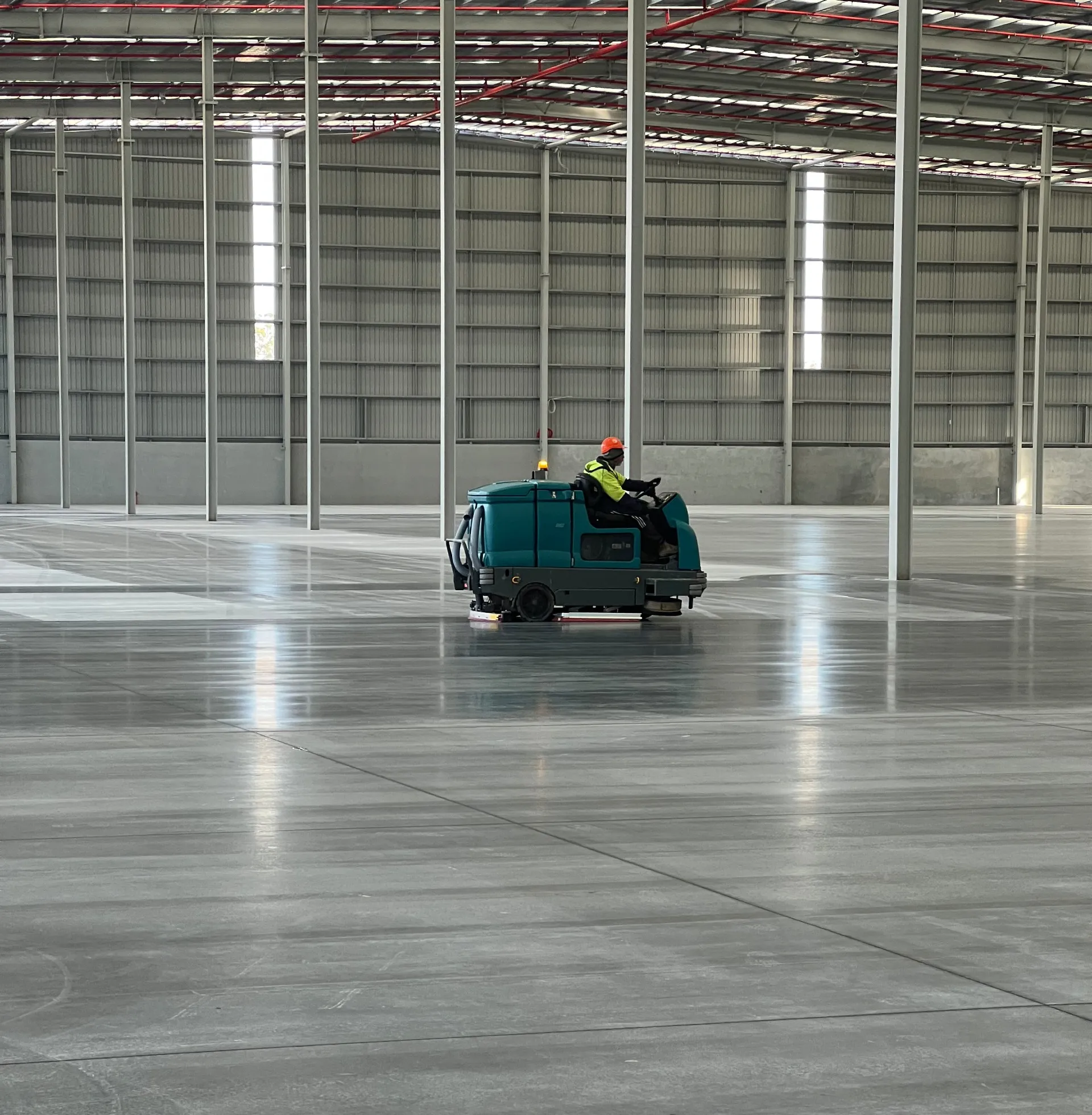
A clean commercial property creates a welcoming atmosphere, supports everyday operations, and helps businesses maintain a professional image. From busy retail stores and office buildings to warehouses and shopping centers, daily activity brings dust, dirt, spills, and debris into different areas. Outdoor spaces face additional challenges from vehicle traffic, changing weather, fallen leaves, and litter.
Without regular maintenance, these materials can affect the appearance of a property and create avoidable cleaning problems. Professional scrubbing services and commercial sweeping help businesses manage these challenges with methods suited to different surfaces. Sweeping removes loose debris, while scrubbing helps remove stubborn dirt from suitable hard floors.
Understanding how these services work can help property managers choose an effective cleaning routine that keeps commercial spaces cleaner, more organized, and easier to maintain.
Why Clean Commercial Properties Matter
Cleanliness plays an important role in how customers, employees, and visitors experience a business. When people enter a store or office, they often notice the condition of the floors, entrance, corridors, and surrounding areas. Clean surfaces help create a positive impression and show that the property receives regular care.
Regular cleaning also helps businesses manage certain safety concerns. Loose debris can create tripping hazards, while wet or greasy floors may increase the risk of slipping. Dirt tracked indoors from outdoor areas can make floors harder to maintain and increase the need for additional cleaning.
A consistent maintenance routine helps control these problems before they become more difficult to manage. It also allows property managers to identify areas that require extra attention and adjust cleaning schedules when conditions change.
Understanding Professional Scrubbing Services
Scrubbing is a deeper cleaning method used to remove dirt, grime, and residue from suitable hard floor surfaces. Unlike sweeping, which mainly collects loose particles, scrubbing uses brushes or pads and appropriate cleaning solutions to loosen dirt that has settled onto the floor.
Commercial cleaning teams may use automatic floor scrubbers, rotary machines, or other equipment depending on the surface material and the level of cleaning required.
This approach is useful in busy commercial environments where everyday cleaning may not remove all marks and buildup. Regular foot traffic, spills, and equipment movement can gradually affect the appearance of floors, making deeper cleaning an important part of property maintenance.
How Commercial Floor Scrubbing Works
The process usually begins with an inspection of the floor. Cleaning professionals assess the surface material, identify heavily soiled areas, and choose suitable equipment and cleaning products.
Loose debris is generally removed before scrubbing begins. The floor is then cleaned using the selected method, with dirty water collected when the equipment supports this process. Some surfaces may require additional rinsing or drying before regular activity resumes.
The method should always match the flooring material. Certain finishes can be damaged by harsh chemicals, abrasive pads, or excessive pressure. Following appropriate care recommendations helps protect the surface and supports effective cleaning.
Where Floor Scrubbing Makes a Difference
Many commercial spaces can benefit from regular floor scrubbing. Retail stores often need deeper cleaning around entrances, checkout areas, and main walkways. Office buildings may require attention in reception areas, corridors, meeting rooms, and shared spaces.
Warehouses can also benefit from scrubbing when dirt accumulates on suitable hard floors. Shopping centers, showrooms, educational facilities, and other commercial properties may need similar maintenance depending on their daily activities.
Facilities with special hygiene requirements should follow their own cleaning procedures and use products appropriate for their environment.
What Commercial Sweeping Can Do for Businesses
Commercial sweeping focuses on removing loose dirt, dust, leaves, litter, gravel, and other debris from paved surfaces. It is particularly useful for large outdoor areas that experience frequent vehicle movement or pedestrian traffic.
Parking lots, access roads, loading bays, sidewalks, and building entrances can collect debris from wind, rain, vehicles, and nearby landscaping. If this material is left unattended, it may spread indoors or accumulate around drainage points.
Regular sweeping helps control loose debris and keeps exterior spaces presentable. It can also reduce the amount of dirt carried into buildings, helping property managers maintain cleaner indoor areas.
The Benefits of Mechanical Sweeping
Large commercial properties often require equipment that can cover extensive areas efficiently. Mechanical sweeping machines help cleaning teams collect loose debris across parking lots, paved roads, and other wide surfaces.
The equipment should match the size of the site, the type of debris, and the condition of the pavement. Smaller machines may suit compact commercial areas, while larger facilities may require equipment designed for broader coverage.
Mechanical sweeping can collect many types of loose material, but it does not replace every cleaning method. Oil stains, chemical spills, and certain residues may require separate treatment using appropriate equipment and safety procedures.
Keeping Parking Lots and Walkways Presentable
Parking lots and walkways are often the first areas customers and visitors encounter when arriving at a business. Leaves, litter, and loose gravel can make these spaces look neglected and may create avoidable hazards.
A regular sweeping schedule helps remove debris before it spreads or becomes more difficult to manage. Property managers should pay particular attention to entrances, pedestrian routes, loading areas, and spaces around drains.
Sweeping should also be supported by other maintenance tasks when necessary. Standing water, damaged pavement, leaking vehicles, and blocked drains may require separate inspection or repair.
Why Sweeping and Scrubbing Work Better Together
Although both methods support commercial cleanliness, they serve different purposes.
Sweeping removes loose material from paved surfaces, making it suitable for parking lots, sidewalks, access roads, and areas where dust and litter collect. Scrubbing provides deeper cleaning for suitable hard floors by removing dirt and residue that ordinary sweeping cannot address.
Combining these services can create a more complete cleaning routine. For example, a shopping center may schedule regular sweeping for its parking areas and scrubbing for interior floors. A warehouse may need sweeping around loading bays alongside deeper cleaning of appropriate indoor surfaces.
Selecting the right method for each area helps businesses manage different cleaning challenges and maintain consistent standards across their properties.
How to Plan an Effective Commercial Cleaning Schedule
Every commercial property has different cleaning needs. A busy retail store may require frequent cleaning throughout the day, while a small office may need less intensive maintenance. Warehouses and industrial facilities must also consider dust levels, vehicle movement, and the materials handled on site.
An effective schedule reflects how quickly dirt accumulates, how each space is used, and what standards the business needs to maintain.
Factors That Influence Cleaning Frequency
Property managers should consider several factors when creating a cleaning plan:
-
Foot traffic: Busy entrances, corridors, and shared spaces generally require more frequent cleaning.
-
Weather conditions: Rain, wind, and falling leaves can increase outdoor debris.
-
Surface materials: Different floors require suitable equipment and cleaning products.
-
Business activities: Offices, retail stores, warehouses, and workshops produce different types of dirt.
-
Operating hours: Cleaning during quieter periods can reduce disruption and allow floors to dry before regular activity resumes.
Regular inspections help determine whether the schedule is working. If certain areas become dirty quickly, businesses may need to increase cleaning frequency or choose a more suitable method.
Choosing the Right Commercial Cleaning Provider
Selecting a cleaning provider involves more than comparing prices. Businesses should consider experience, equipment, safety procedures, scheduling flexibility, and the provider's ability to meet the property's specific needs.
A suitable provider should understand the differences between indoor floor care and outdoor sweeping. They should also be willing to assess the property and explain which cleaning methods are appropriate for its surfaces.
What to Check Before Hiring
Before agreeing to a service, confirm which areas are included, how often cleaning will take place, and what equipment will be used. Ask about staff training, cleaning products, wet floor precautions, and procedures for working around vehicles and pedestrians.
It is also important to understand what the quoted price covers and whether specialist treatments cost extra. A clear service agreement helps prevent misunderstandings and establishes realistic expectations.
Regular communication and quality checks can help businesses address concerns early and maintain consistent cleaning standards.
Maintaining Clean Commercial Spaces Throughout the Year
Long term cleanliness depends on consistent care rather than occasional intensive cleaning. Frequent sweeping helps control loose debris, while scheduled scrubbing addresses accumulated dirt on suitable floors.
Property managers can improve their routines by inspecting busy areas, recording completed tasks, and adjusting schedules when conditions change. Addressing underlying issues, such as damaged flooring, leaking equipment, and blocked drains, can also prevent recurring cleaning problems.
A practical maintenance plan helps businesses manage cleaning requirements efficiently while keeping their properties presentable for employees, customers, and visitors.
Conclusion
Maintaining a clean commercial property requires suitable equipment, regular attention, and a realistic cleaning schedule. Professional scrubbing services help remove stubborn dirt from appropriate floor surfaces, while commercial sweeping clears loose debris from parking lots, walkways, loading areas, and other paved spaces.
Businesses can maintain better cleaning standards by assessing their property's needs, prioritizing busy areas, and choosing suitable methods for daily operations. Sweep & Scrub can help businesses explore practical commercial sweeping and scrubbing solutions based on their property conditions and cleaning requirements.
Related Reading
Top 10 Hidden Secrets About Business & Finance You Need to Know
Welcome to our in-depth exploration of Business & Finance. In an era defined...
Why Business & Finance is Transforming the Global Industry Landscape
Welcome to our in-depth exploration of Business & Finance. In an era defined...