Machine Parts: How to Choose the Right Components
19 Views
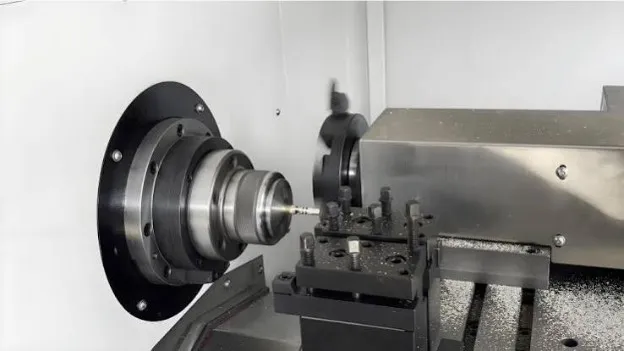
Industrial equipment depends on many individual components working together accurately and consistently. Belts, bearings, sensors, rollers, blades, switches, motors, seals, heating elements, and other components may seem small compared with the machine itself, but the failure of even one part can interrupt an entire production process.
Selecting the right machine parts is therefore an important part of equipment maintenance and operational planning. The correct component can help restore performance, reduce downtime, and support safer operation, while an incorrect or poorly matched part may create recurring failures or damage other systems. Understanding compatibility, quality, wear patterns, and maintenance requirements makes it easier to choose replacement components with confidence.
Why Are Machine Parts So Important?
Industrial machines are built from interconnected systems. Mechanical, electrical, pneumatic, hydraulic, and electronic components all contribute to how equipment performs.
A worn bearing can create vibration. A damaged belt can reduce transfer efficiency. A faulty sensor may cause incorrect machine timing. A deteriorated heating element can affect sealing performance.
Because of this interdependence, machine parts should not be viewed as isolated items. Their condition can influence the performance of surrounding components and, ultimately, the entire machine.
Routine inspections can help maintenance teams identify wear before it leads to a larger breakdown.
How Do You Identify the Correct Replacement Part?
Correct identification is one of the most important steps in selecting a replacement component.
Useful information may include:
-
Machine manufacturer
-
Model number
-
Serial number
-
Original part number
-
Component dimensions
-
Material type
-
Electrical specifications
-
Operating temperature
-
Load or pressure rating
Whenever possible, maintenance teams should compare the replacement component with technical documentation rather than relying only on appearance.
Two parts may look nearly identical but have different electrical ratings, tolerances, mounting points, or material properties.
This is especially important when sourcing machine parts for equipment that operates under continuous production conditions.
What Is the Difference Between OEM and Compatible Parts?
Replacement components may be available as original equipment manufacturer parts or compatible aftermarket alternatives.
OEM parts are produced or specified by the original equipment manufacturer and are generally designed to match the original component requirements.
Compatible parts may be produced by another manufacturer but designed to perform the same function.
Neither category should be judged solely by name. The more important question is whether the component meets the required specifications for the machine.
Dimensions, materials, electrical properties, temperature resistance, load capacity, and installation requirements should all be verified before use.
Why Does Material Quality Matter?
Material selection has a direct effect on component durability.
For example, bearings used in high-load environments require materials capable of handling continuous mechanical stress. Belts exposed to heat need suitable thermal resistance. Seals used around chemicals must be compatible with those substances.
Using a component made from an inappropriate material can shorten service life even if the dimensions appear correct.
High-quality machine parts are particularly important in applications where equipment operates continuously or where unexpected downtime is costly.
Which Machine Parts Commonly Wear Out?
Some components are designed to wear gradually and require periodic replacement.
Common wear items include:
-
Belts
-
Chains
-
Bearings
-
Bushings
-
Rollers
-
Blades
-
Seals
-
Gaskets
-
Heating elements
-
Springs
-
Filters
-
Adhesive tapes
-
Conveyor components
The replacement interval depends on operating hours, load, speed, environmental conditions, and maintenance practices.
A component used in a clean, controlled facility may last significantly longer than the same part used in a dusty, hot, wet, or abrasive environment.
How Can Preventive Maintenance Reduce Downtime?
Preventive maintenance involves inspecting and servicing equipment before a failure occurs.
Rather than waiting for a component to break, technicians monitor wear and replace parts when they approach the end of their useful life.
This approach can reduce unexpected production interruptions and make maintenance easier to schedule.
Maintenance records are especially useful. Tracking installation dates, failures, and replacement intervals can reveal patterns over time.
If the same machine parts fail repeatedly, the problem may not be the component itself. Misalignment, excessive tension, incorrect lubrication, overheating, contamination, or improper installation may be contributing to premature wear.
Why Is Compatibility More Important Than Appearance?
Visual similarity is not enough to confirm that a replacement component is correct.
For example, two motors may have similar housings but different voltage requirements. Two belts may appear identical but use different materials or reinforcement. Two sensors may share the same dimensions but produce different signals.
Even small differences can affect machine performance.
Maintenance teams should compare technical specifications carefully before installation. This helps reduce the risk of using a part that fits physically but does not perform correctly.
How Should Spare Parts Be Stored?
Good inventory practices can improve maintenance efficiency.
Critical spare components should be stored in clean, dry conditions and clearly labeled with relevant machine information.
Some parts require special storage. Rubber components may degrade when exposed to heat, sunlight, or ozone. Electronic components should be protected from moisture and static electricity. Bearings should remain sealed until they are ready for installation.
Organizing machine parts by machine model, component category, or part number can also make it easier to locate the correct item during maintenance.
Which Parts Should Be Kept in Stock?
Not every replacement component needs to be stored onsite.
Facilities should prioritize parts based on:
-
Failure frequency
-
Lead time
-
Production impact
-
Replacement cost
-
Equipment criticality
-
Availability from suppliers
A low-cost component that can stop an entire production line may be more important to stock than an expensive part that rarely fails and is readily available.
Historical maintenance data can help determine which components are most important to keep on hand.
What Are the Signs of a Failing Machine Part?
Early detection can prevent larger failures.
Common warning signs include unusual noise, vibration, overheating, reduced speed, inconsistent output, leaks, misalignment, or visible wear.
Electrical components may show intermittent operation, unexpected shutdowns, or error messages.
Operators often notice these changes before a complete failure occurs, which is why communication between machine operators and maintenance teams is important.
Ignoring warning signs can allow a relatively minor component problem to affect other parts of the machine.
Why Proper Installation Matters
Even the correct replacement part can fail prematurely if it is installed incorrectly.
Bearings may require specific alignment and lubrication. Belts need correct tension. Fasteners may require specific torque values. Electrical parts must be connected according to the correct wiring configuration.
Improper installation can increase friction, vibration, heat, or mechanical stress.
Technicians should follow appropriate equipment procedures and safety requirements during replacement work.
How Can Better Parts Management Improve Operations?
A structured parts-management process can improve maintenance response times and reduce unnecessary purchases.
Useful practices include maintaining accurate equipment records, standardizing part numbers, tracking stock levels, documenting replacements, and identifying frequently used components.
This information can help facilities predict future maintenance needs and avoid discovering that a critical component is unavailable only after a machine stops.
Good parts management also makes troubleshooting easier because technicians can quickly confirm which components were previously installed.
Conclusion
Industrial equipment reliability depends heavily on the condition and compatibility of the components inside it. Selecting the right machine parts requires careful attention to specifications, material quality, operating conditions, and maintenance history rather than simply choosing a part that looks similar. Businesses can improve equipment reliability by keeping accurate records, stocking critical components, and replacing worn parts before they cause larger failures. Resources such as Machine Parts Toolbox can support maintenance teams by helping them identify and source components for different types of industrial equipment. A consistent approach to component selection, storage, installation, and preventive maintenance can reduce downtime and help industrial machines operate more safely and efficiently over the long term.
Related Reading
Top 10 Hidden Secrets About Business & Finance You Need to Know
Welcome to our in-depth exploration of Business & Finance. In an era defined...
Why Business & Finance is Transforming the Global Industry Landscape
Welcome to our in-depth exploration of Business & Finance. In an era defined...