Luxury Farmplots in Harohalli: A Complete Buyer’s Guide for Weekend Homes and Investment
27 Views
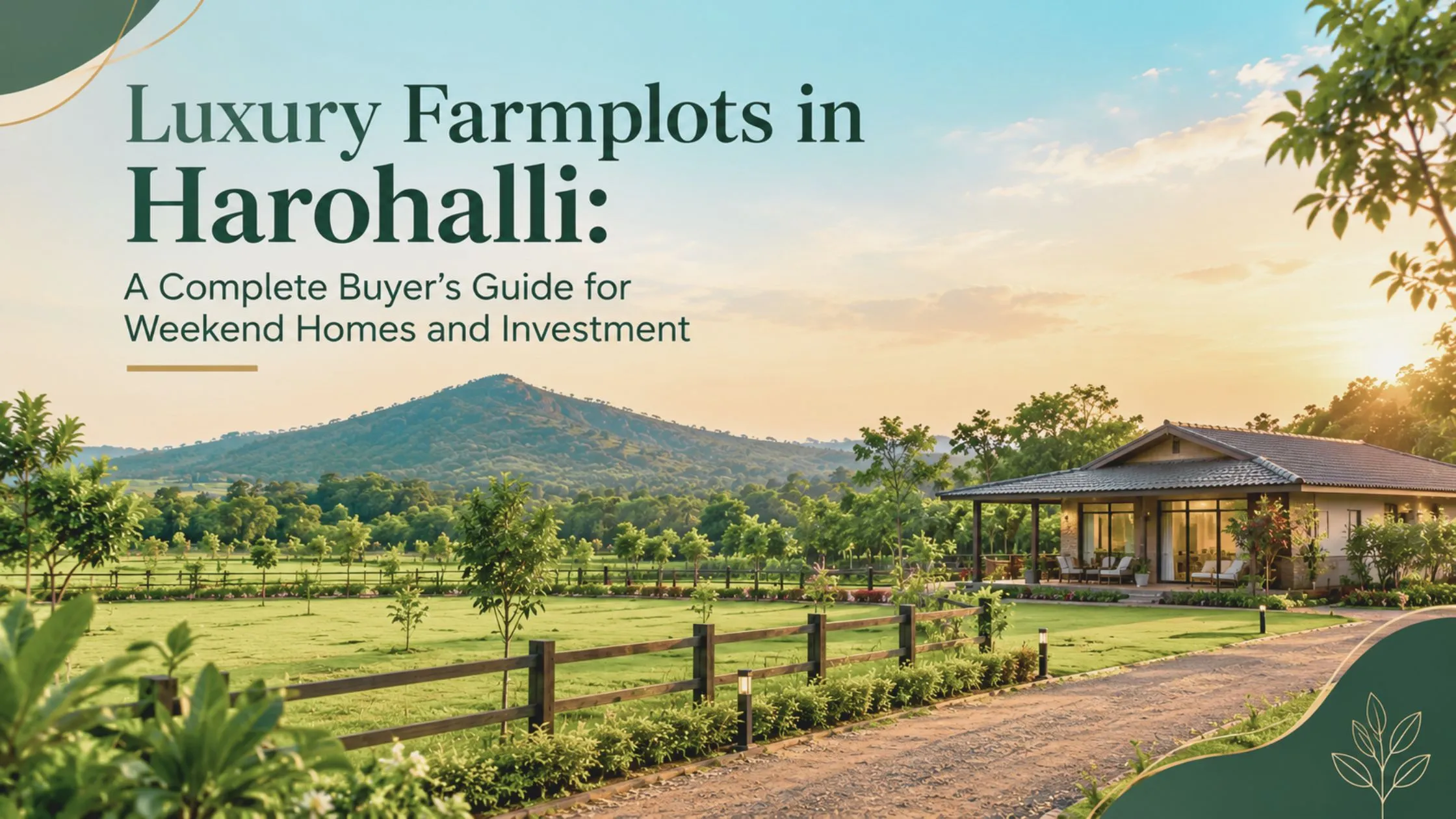
A farm plot near Bengaluru is a tempting idea if you want a private countryside retreat without leaving the city behind. But scenery and a polished amenities list shouldn’t drive the decision. Documentation, construction permissions, infrastructure and maintenance matter far more.
This guide covers how to evaluate gated farm plots in Harohalli, what to check before you pay anything, and where Triguna Country Homes–Harohalli fits in your search.
Luxury farmplots in Harohalli are premium farmland plots within planned communities, meant for countryside living, weekend retreats and long-term land investment. Buyers should confirm clear documentation, permitted land use, water and road access, security, maintenance terms and independently verified construction rights.
What Are Luxury Farmplots in Harohalli, and Are They Worth Buying?
A luxury farm plot pairs open land with planned infrastructure. Unlike a standalone agricultural parcel, a gated farm plot typically comes with defined boundaries, internal roads, security and shared recreational facilities. Harohalli draws buyers looking along the southern Bengaluru corridor who want greenery and a reasonable drive back to the city.
These plots tend to suit weekend-home seekers, families who want room for gardening and outdoor time, long-term land investors, and second-home buyers, including NRIs, who’ll use the property occasionally.
Whether a plot is worth it depends on how you plan to use it, what it costs to own, its legal status and whether you can keep it maintained. Appreciation is never guaranteed, and resale can be slow or fast depending on the project.
How to Evaluate Luxury Farmplots in Harohalli: A 9-Step Due-Diligence Process
Do this before you pay a booking amount. Even a well-presented project deserves independent legal and technical checks.
- Verify ownership and title. Have a qualified property lawyer examine the title chain, survey records and any restrictions on the land. A brochure or booking agreement isn’t proof of ownership.
- Check RTC, mutation records and encumbrances. For agricultural land in Karnataka, review the RTC (Pahani) and mutation records, and get an Encumbrance Certificate for the relevant period. An EC alone doesn’t prove a clean title, so read the documents together.
- Confirm layout approvals and compliance. Ask for the layout approval, development permissions and land-use documents. Check the issuing authority and make sure they cover the exact property on offer. Find out whether RERA registration applies to the project, and don’t assume every agricultural land sale falls under the same framework.
- Inspect access roads and boundaries. Visit in person and match the boundaries to the survey records. Confirm the plot has documented access from a public road or an enforceable right of way. If you can, see the approach road after heavy rain.
- Evaluate water, electricity and drainage. Ask about the water source, how reliable it is through the seasons, any permissions involved and how storage or irrigation works. Check power access, drainage and wastewater handling too.
- Confirm farmhouse construction rights. A farm plot doesn’t automatically allow unrestricted residential building. What you can build depends on land classification, planning rules and project conditions. Get permitted built-up area, setbacks and required approvals in writing.
- Assess security and maintenance. “Gated” is a label, not a guarantee. Look at the fencing, gates, lighting, surveillance and emergency access, and ask who handles plantation, irrigation, common areas and repairs. Read the maintenance agreement for recurring charges, inclusions and exclusions.
- Calculate the full ownership cost. The plot price is only the start. Add stamp duty and registration, legal fees, development and infrastructure charges, annual maintenance and security, plantation and landscaping, and farmhouse construction and utility connections if allowed. Ask for an itemized cost sheet before comparing projects.
- Review registration and handover. Make sure the sale documents describe the property and boundaries accurately. Confirm the payment schedule, handover conditions and any outstanding obligations, and keep copies of every agreement, approval, receipt and maintenance term.
Why Consider Triguna Country Homes–Harohalli?
If you’d rather buy into a planned community than an isolated parcel, Triguna Country Homes–Harohalli is one project worth looking into.
According to the project brief, it’s a 65-acre development by Triguna Projects and Megha Landmark Estates, with plots from 6,000 to 12,000 square feet. It’s positioned around countryside living, a gated format and a boutique-resort feel.
Setting near Bannerghatta National Park and Ragihalli State Forest
The project highlights its location near Bannerghatta National Park and the Ragihalli State Forest corridor. For nature-minded buyers, that could mean quieter weekends. It also means you should verify exact boundaries, environmental restrictions, wildlife considerations and permitted construction before buying. And drive the actual route from your home or office instead of relying on general claims about connectivity.
Planned infrastructure and community living
The brief describes security measures, planned internal infrastructure and resort-style features. On a site visit, ask the team to show you what’s operational today and what’s still proposed, and get road, fencing, water, power and maintenance specifications in writing. A planned amenity isn’t a finished one until you’ve seen it.
Structured community vs. independent farmland
Independent farmland gives you more autonomy, but you’ll arrange access, security, landscaping and upkeep yourself. A gated farm plot offers shared infrastructure and community management, though you may pay recurring maintenance charges and live with project rules and usage limits. The better fit depends on whether you value independence or an organized setup.
For project details, visit the Triguna Country Homes–Harohalli website.
Are Harohalli Farm Plots Good for Investment?
Harohalli may appeal to buyers watching southern Bengaluru’s growth corridor, but development potential isn’t a guaranteed return. Before investing, weigh these:
- Connectivity: current road access and real travel times to the places you go regularly.
- Employment and infrastructure: nearby employment centres and the actual status of proposed projects.
- Legal clarity: verified ownership, boundaries and approvals.
- Holding costs: maintenance, taxes, registration and other recurring expenses.
- Resale potential: the likely buyer pool, transfer conditions and comparable properties.
- Intended use: weekend home, long-term holding or agriculture.
Don’t lean on infrastructure announcements or projected appreciation alone. Compare the price against the total cost of ownership, and be honest about how long you can hold the plot without needing to sell.
Luxury Farm Plot Checklist: What to Confirm Before Booking
Take this along on any site visit to a gated farmland community near Harohalli.
- Title deed and ownership chain independently verified
- RTC/Pahani, mutation records and EC reviewed
- Survey boundaries and legally documented road access confirmed
- Layout approvals and statutory permissions checked
- RERA applicability and registration status verified
- Farmhouse construction permissions confirmed in writing
- Water source, electricity and drainage assessed
- Security arrangements and completed amenities inspected
- Maintenance fees, responsibilities and exclusions documented
- Registration costs, development charges and other expenses calculated
- Forest-related and environmental restrictions investigated
- Sale terms, handover conditions and resale restrictions reviewed
Working through this list lets you compare properties on evidence rather than presentation.
Conclusion
Luxury farmplots in Harohalli can offer open space, nature-oriented living and long-term land ownership. The key is choosing a property that fits your intended use and budget and passes your legal, infrastructure and maintenance checks.
If a gated countryside property appeals to you, look into Triguna Country Homes–Harohalli, request the latest project documents and cost details, and book a site visit. Complete independent legal verification before any booking or registration commitment.
Frequently Asked Questions
Are luxury farm plots in Harohalli legally safe to buy?
They can be, once the title, land records, survey boundaries, access rights, approvals and permitted land use have been independently verified. Have a qualified property lawyer review everything before you sign an agreement or transfer any money.
What is the price of luxury farmplots in Harohalli?
It depends on plot size, location within the development, infrastructure, project stage and applicable charges. The project brief mentions an indicative starting price of around ₹72 lakh for a 6,000-square-foot plot. Confirm current availability, pricing and the full cost breakdown directly with the developer.
Can I build a farmhouse on a farm plot in Harohalli?
Possibly, but it depends on land classification, local regulations, approvals and project-specific conditions. Get written confirmation of the permitted building area, setbacks, construction requirements and approval process before you buy.
Is Harohalli a good location for farmland investment near Bengaluru?
It may suit buyers looking for countryside property in Bengaluru’s southern growth corridor, but suitability depends on the specific property. Legal status, connectivity, infrastructure and purchase price all matter. Factor in holding costs, resale prospects and a realistic timeline instead of trusting guaranteed-appreciation claims.
What should I check before buying a gated farm plot near Bannerghatta National Park?
Verify the title, exact plot boundaries, road access, water availability, security, construction permissions and any environmental or forest-related restrictions. Also confirm the actual distance from protected boundaries, and find out which amenities are operational, proposed or awaiting approval.