Low-Maintenance Perennials for Busy Homeowners
By Tommy
96 Views
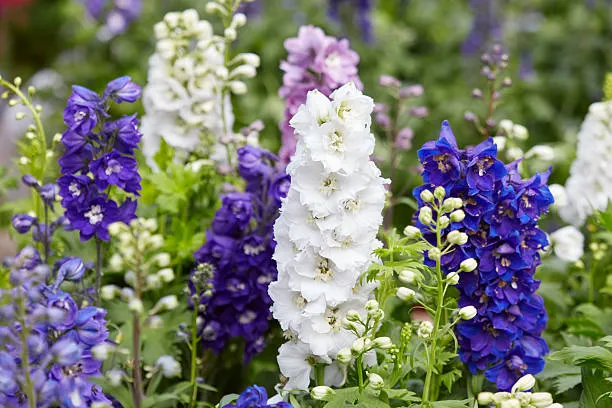
A beautiful garden does not have to demand hours of work every week. Many homeowners want colorful landscapes, yet they often struggle to find enough time for regular maintenance. Fortunately, low-maintenance perennials offer a practical solution. These plants return year after year, reducing the need for constant replanting while providing reliable beauty throughout the seasons.
Perennials are a smart investment for busy homeowners because they require less attention than many annual flowers. Once established, many varieties can thrive with limited watering, minimal pruning, and little fertilization. As a result, homeowners can enjoy attractive outdoor spaces without spending every weekend working in the yard.
When planning a perennial garden, selecting the right plants and using appropriate resources can make the process much easier. Homeowners who are new to landscaping often benefit from learning about gardening tools for beginners, soil preparation methods, and plant selection strategies. Combining these fundamentals with low-maintenance perennial varieties creates a garden that remains attractive with minimal effort.
Why Low-Maintenance Perennials Are Ideal for Busy Homeowners
Modern lifestyles often leave little time for extensive garden care. Between work responsibilities, family commitments, and personal activities, maintaining a demanding landscape can become overwhelming. Low-maintenance perennials help solve this challenge by offering long-lasting beauty without requiring constant attention.
These plants return every year from their root systems. Therefore, homeowners save time and money because they do not need to purchase and plant new flowers each season. In addition, many perennial varieties are naturally resistant to pests and diseases, reducing the need for chemical treatments.
Another advantage is their ability to adapt to various growing conditions. Many low-maintenance perennials tolerate drought, poor soil, and temperature fluctuations. Consequently, they continue to perform well even when homeowners cannot provide perfect care.
Furthermore, perennial gardens often become more attractive as the plants mature. Over time, established perennials develop stronger root systems and produce larger displays of flowers and foliage. This means less work and greater visual impact.
What Makes a Perennial Low-Maintenance?
Not all perennials are equally easy to care for. Certain characteristics make some varieties especially suitable for busy homeowners.
Drought Tolerance
Plants that tolerate dry conditions require less frequent watering. Once established, drought-resistant perennials can survive extended periods without supplemental irrigation. This quality is particularly valuable during hot summers or water restrictions.
Pest and Disease Resistance
Some perennials naturally resist common garden problems. These plants experience fewer issues with insects, fungal diseases, and other threats. As a result, homeowners spend less time diagnosing and treating plant health concerns.
Minimal Pruning Requirements
Many low-maintenance perennials maintain attractive shapes without frequent trimming. While occasional deadheading may improve appearance, these plants generally require very little intervention throughout the growing season.
Adaptability
Adaptable plants perform well in a variety of soil types and environmental conditions. They tolerate occasional neglect and continue to thrive despite less-than-perfect growing situations.
Long Lifespan
The best low-maintenance perennials remain productive for many years. Homeowners can enjoy consistent performance without regularly replacing aging plants.
Best Low-Maintenance Perennials for Busy Homeowners
Choosing the right plants is essential for creating an easy-care garden. The following perennials consistently rank among the most reliable options.
Coneflower (Echinacea)
Coneflowers are among the most dependable perennials available. Their vibrant blooms attract pollinators while adding color to garden beds from summer through early fall.
These plants tolerate drought, heat, and poor soil conditions remarkably well. Once established, they require little more than occasional watering during extended dry periods. Additionally, their seed heads provide winter interest and food for birds.
Coneflowers are available in various colors, including purple, pink, white, yellow, and orange. Therefore, homeowners can easily incorporate them into different landscape designs.
Daylily
Daylilies are famous for their durability and adaptability. They thrive in many climates and soil types, making them an excellent choice for beginners and experienced gardeners alike.
Although each flower lasts only one day, mature plants produce abundant blooms over several weeks. Their grass-like foliage remains attractive even after flowering ends.
Daylilies require minimal maintenance once established. They rarely suffer from serious pest problems and can tolerate occasional drought conditions.
Black-Eyed Susan
Black-Eyed Susans deliver bright yellow flowers that create cheerful displays throughout summer and early autumn. Their bold appearance makes them a popular choice for borders, cottage gardens, and naturalized landscapes.
These hardy perennials tolerate heat, drought, and poor soil. They also attract butterflies and beneficial pollinators. Furthermore, they readily self-seed, helping gardens fill in naturally over time.
Lavender
Lavender combines beauty, fragrance, and practicality in one easy-care plant. Its silvery foliage and purple flower spikes add elegance to almost any garden setting.
This perennial thrives in sunny locations with well-drained soil. Once established, it requires very little water and minimal pruning. In addition, lavender attracts pollinators while helping deter certain garden pests.
The pleasant scent makes lavender an excellent addition near patios, walkways, and outdoor seating areas.
Sedum (Stonecrop)
Sedum is one of the most drought-tolerant perennials available. Its succulent leaves store moisture efficiently, allowing the plant to thrive during dry periods.
Many sedum varieties produce clusters of colorful flowers that attract bees and butterflies. Their architectural form also adds texture and visual interest throughout the growing season.
Because sedum requires little watering and rarely experiences disease issues, it is an ideal choice for homeowners seeking low-effort landscaping solutions.
Hosta
Hostas are among the best perennials for shaded gardens. Their lush foliage comes in various sizes, colors, and patterns, providing season-long visual appeal.
Although hostas prefer consistent moisture during establishment, mature plants generally require minimal care. They grow well under trees and in other challenging shaded locations.
Their ability to create dense foliage also helps suppress weeds, further reducing maintenance requirements.
Catmint
Catmint offers long-lasting blooms and aromatic foliage. Its soft purple flowers create a relaxed, cottage-garden appearance while attracting bees and butterflies.
This resilient perennial tolerates drought and poor soil conditions. Moreover, it often blooms repeatedly throughout the season with minimal intervention.
Catmint's compact growth habit makes it suitable for borders, pathways, and mixed perennial beds.
How to Choose the Right Perennials
Selecting appropriate plants significantly influences long-term success. Before purchasing perennials, homeowners should evaluate several important factors.
Consider Your Climate
Every perennial has specific temperature requirements. Understanding your local hardiness zone helps ensure plants can survive winter conditions and seasonal weather changes.
Choosing plants suited to your region reduces maintenance and improves overall garden performance.
Evaluate Sunlight Conditions
Different perennials require varying amounts of sunlight. Some thrive in full sun, while others perform best in partial shade or full shade.
Observe your garden throughout the day to determine how much sunlight each area receives. Then select plants that match those conditions.
Assess Soil Quality
Soil characteristics affect plant health and growth. While many low-maintenance perennials tolerate poor soil, understanding your garden's conditions remains important.
Well-drained soil generally supports healthier root development and reduces disease risks. If necessary, amend the soil before planting.
Think About Mature Size
Many homeowners overlook plant spacing during installation. However, overcrowded gardens often require more maintenance later.
Research the mature size of each perennial and provide adequate space for growth. Proper spacing improves air circulation and reduces disease problems.
Simple Care Tips for Long-Term Success
Even low-maintenance plants benefit from basic care. Following a few simple practices helps ensure healthy growth and beautiful displays.
Plant Correctly
Proper planting establishes a strong foundation for future success. Dig holes that are wide enough to accommodate root systems comfortably.
Place plants at the correct depth and water thoroughly after planting. This encourages roots to establish quickly.
Apply Mulch
Mulch offers numerous benefits. It conserves moisture, suppresses weeds, and regulates soil temperature.
A two- to three-inch layer of organic mulch around perennials can significantly reduce maintenance demands throughout the growing season.
Water Deeply but Infrequently
Frequent shallow watering encourages weak root systems. Instead, water deeply when necessary to promote deeper root growth.
Once established, many low-maintenance perennials require supplemental watering only during prolonged drought periods.
Remove Dead Growth Seasonally
Although these plants need little pruning, removing dead foliage at the appropriate time improves appearance and plant health.
Many gardeners wait until early spring to cut back old growth, allowing plants to provide winter interest and wildlife habitat.
Monitor for Problems
Even the toughest perennials occasionally encounter issues. Periodic inspections help identify pests, diseases, or environmental stress before they become serious concerns.
Fortunately, most low-maintenance varieties experience relatively few problems.
Common Mistakes to Avoid
Several common mistakes can increase maintenance requirements unnecessarily.
Overwatering
Many homeowners water too frequently. Excess moisture can lead to root rot, fungal diseases, and weak plant growth.
Understanding each plant's moisture needs helps prevent these issues.
Planting in the Wrong Location
Even easy-care perennials struggle when placed in unsuitable conditions. Matching plants with appropriate sunlight and soil conditions is essential.
Ignoring Plant Spacing
Crowded gardens create competition for resources and reduce airflow. Proper spacing supports healthier growth and minimizes maintenance demands.
Choosing High-Maintenance Companions
A low-maintenance perennial garden can quickly become labor-intensive if paired with demanding plants. Therefore, maintain consistency when selecting companion species.
Neglecting Initial Establishment
Although mature perennials require little care, newly planted specimens need regular attention during their first growing season. Adequate watering and monitoring during this period help ensure long-term success.
Conclusion
Low-maintenance perennials provide an excellent solution for busy homeowners who want attractive landscapes without constant upkeep. These reliable plants return year after year, reducing the need for seasonal replanting while delivering consistent color, texture, and visual interest.
By selecting drought-tolerant, disease-resistant varieties such as coneflowers, daylilies, Black-Eyed Susans, lavender, sedum, hostas, and catmint, homeowners can create beautiful gardens that thrive with minimal effort. Furthermore, choosing plants suited to local conditions and following simple care practices helps ensure long-term success.
A thoughtfully planned perennial garden offers lasting beauty while fitting comfortably into a busy schedule. With the right plant choices, homeowners can spend less time maintaining their landscapes and more time enjoying them.
Related Reading
Expert Insights: Navigating the Complex World of Home Improvement
Welcome to our in-depth exploration of Home Improvement. In an era defined by ra...
Why Home Improvement is Transforming the Global Industry Landscape
Welcome to our in-depth exploration of Home Improvement. In an era defined by ra...