Looking Beyond Appearances: Why Inner Change Matters More Than Approval
By Mark Wilson
81 Views
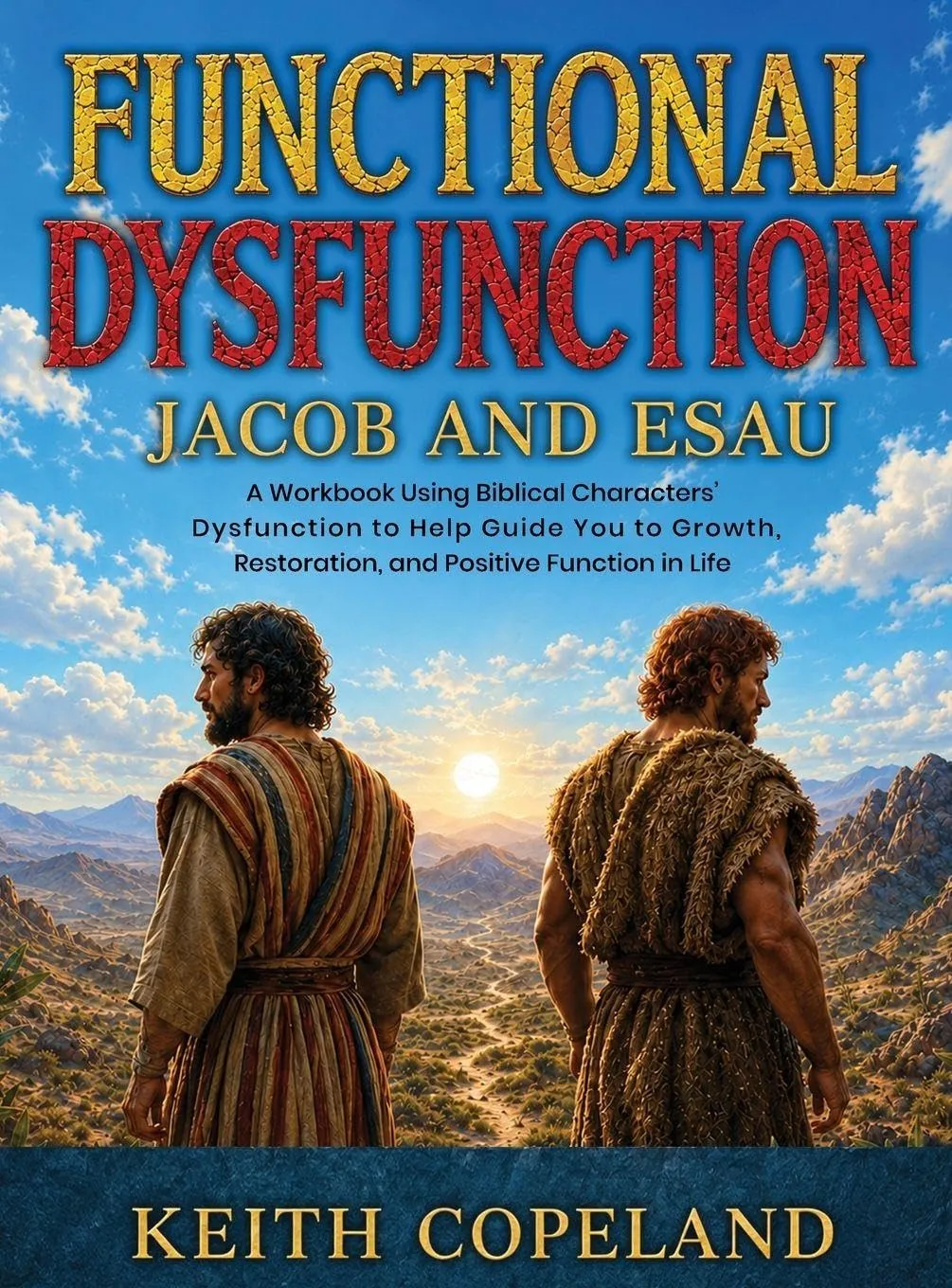
Chapter 5 of Functional Dysfunction: Jacob and Esau, titled "Fake It to Make It," encourages readers to examine an important question: Is there a difference between changing outward behavior and experiencing genuine change? Through the account of Esau's response after Jacob received Isaac's blessing, the workbook invites readers to reflect on motivation, self-awareness, and personal transformation.
The chapter reminds readers that people often make decisions to gain acceptance from others. While approval may feel important, lasting growth comes from honest self-examination rather than simply trying to satisfy the expectations of those around us.
Using Esau's experience, the workbook encourages readers to look beyond appearances and consider what is happening within the heart.
Esau's Response After Isaac's Blessing
After Jacob received Isaac's blessing and was sent to Padan-aram to find a wife, Esau observed that Isaac and Rebekah did not approve of the daughters of Canaan. The biblical account explains that Esau then went to Ishmael and married Mahalath in addition to the wives he already had.
The workbook encourages readers to think carefully about this decision. Did Esau make this choice because he had experienced genuine change, or was he attempting to gain his parents' approval?
Rather than providing a direct answer, the chapter asks readers to reflect on the difference between outward actions and inward transformation.
This thoughtful approach encourages self-examination instead of quick conclusions.
The Desire for Approval
Approval is something most people seek at different times in life. Family members, friends, teachers, and others often influence the choices people make.
The workbook recognizes that wanting approval is a natural part of relationships. However, it also asks an important question: What happens when approval becomes the primary reason for making decisions?
Sometimes people change their behavior only because they hope someone else will accept them. While the outward action may appear positive, lasting growth requires something deeper.
The chapter suggests that genuine change begins when people understand why they are making certain choices rather than simply responding to external expectations.
Looking Within
One of the strongest themes in Chapter 5 is self-awareness.
The workbook repeatedly encourages readers to examine their own motives before evaluating the actions of others. Honest reflection helps people recognize whether they are acting from conviction or simply reacting to circumstances.
Some questions presented throughout the chapter encourage readers to consider:
- Why do I make the decisions I make?
- Am I trying to please others?
- Do my actions reflect true personal growth?
- What motivates my behavior?
These questions help readers move beyond appearance and begin thinking honestly about themselves.
The goal is not criticism but understanding.
Genuine Change Begins in the Heart
The workbook explains that information alone does not always produce transformation. A person may know what is expected and still fail to experience lasting personal growth.
Esau understood his parents' concerns regarding marriage. The workbook uses this situation to encourage readers to think about whether knowing what is right automatically produces genuine change.
True transformation involves more than changing behavior for the benefit of others. It requires examining attitudes, motives, and personal responsibility.
This lesson encourages readers to focus on inward growth rather than simply managing outward appearances.
The Influence of Family Decisions
Another important lesson in the chapter is that personal choices often affect more than one individual.
Throughout the stories of Abraham, Isaac, Rebekah, Jacob, and Esau, family decisions influence future generations. The workbook reminds readers that actions taken today may shape relationships tomorrow.
This reflection encourages greater responsibility when making decisions.
Instead of asking only how a choice will affect themselves, readers are encouraged to think about how it may influence family members and future relationships.
Developing genuine change helps strengthen not only personal character but also the relationships that matter most.
Practical Lessons from the Chapter
Chapter 5 encourages readers to apply several important principles:
- Examine your motives honestly.
- Seek genuine change rather than approval alone.
- Practice self-awareness in daily decisions.
- Take responsibility for personal choices.
- Focus on inward transformation instead of outward appearance.
These lessons help readers develop greater understanding of themselves while encouraging positive function in life.
Final Thoughts
Chapter 5 of Functional Dysfunction: Jacob and Esau reminds readers that lasting growth begins within. Esau's response after Isaac's blessing provides an opportunity to think carefully about the difference between seeking approval and experiencing genuine change.
The workbook encourages readers to examine their motives, develop greater self-awareness, and pursue personal transformation that comes from honest reflection rather than outward appearance alone. When people look beyond appearances and commit themselves to genuine change, they become better prepared to build healthier relationships and continue growing toward restoration and positive function in life.
Related Reading
Top 10 Hidden Secrets About Business & Finance You Need to Know
Welcome to our in-depth exploration of Business & Finance. In an era defined...
Why Business & Finance is Transforming the Global Industry Landscape
Welcome to our in-depth exploration of Business & Finance. In an era defined...