Lipedema Stages: Understanding the Signs, Progression, and Treatment Options
25 Views
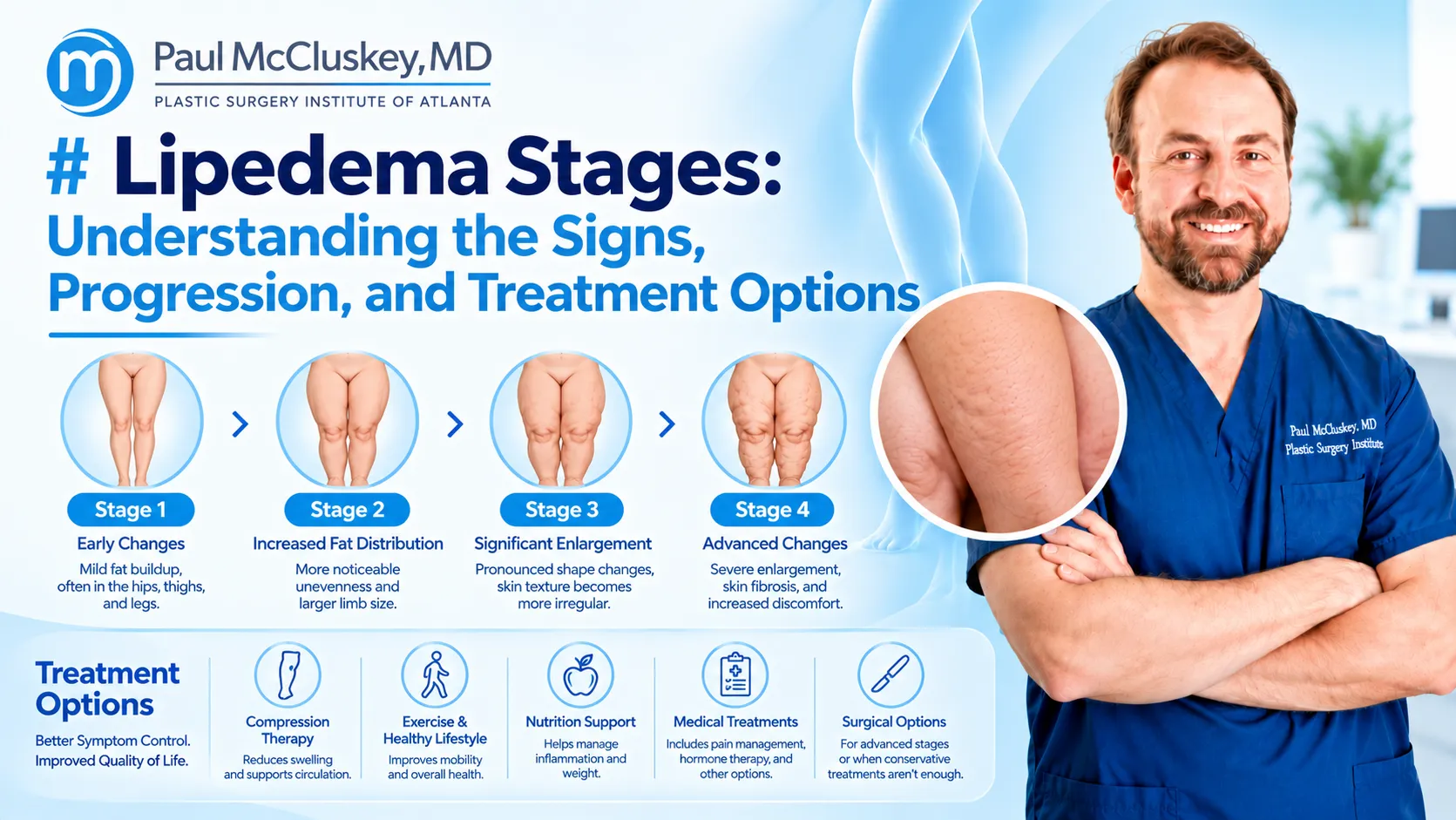
Lipedema is a chronic condition that affects the way fat is distributed in the body, most commonly around the hips, thighs, legs, and sometimes the arms. It primarily affects women and may cause tenderness, pain, easy bruising, swelling, and a feeling of heaviness in the affected areas. Many people do not recognize the condition at first because its symptoms can resemble ordinary weight gain.
Understanding the lipedema stages can help people identify possible warning signs and seek medical advice at the right time. Although lipedema may change over the years, it does not progress in the same way for everyone. Learning about its stages, symptoms, and available treatments can help individuals make informed decisions about their care.
What Are the Different Lipedema Stages?
Lipedema is commonly described in stages based on changes in the skin's surface and the underlying fatty tissue. These stages help explain how the condition may appear as it develops, but they do not fully describe a person's pain level, mobility, or overall experience.
The condition is often discussed in three stages, with a fourth stage used in some classification systems when lymphedema develops alongside lipedema.
Stage 1: Early Lipedema
In Stage 1, the skin may appear smooth, even though fatty tissue beneath it has started to increase abnormally. The legs or arms may look larger than expected compared with the upper body.
Common signs include:
-
Smooth skin with changes in fat distribution.
-
Tenderness when the affected areas are touched.
-
Easy bruising without an obvious injury.
-
A feeling of heaviness in the legs.
-
Fat buildup around the hips, thighs, or lower legs.
At this stage, the changes may be subtle and easy to overlook. Some people notice that their legs do not change as much as the rest of their body when their weight fluctuates.
The feet are often unaffected, creating a noticeable difference between the lower legs and feet. However, symptoms vary, and this feature alone cannot confirm lipedema.
Recognizing persistent symptoms early can help people seek an appropriate assessment and learn about ways to manage discomfort.
Stage 2: Noticeable Changes in Skin Texture
During Stage 2, the skin's surface may become uneven, and the fatty tissue underneath may feel nodular or lumpy. The changes can become more noticeable around the thighs, hips, and knees.
Possible symptoms include:
-
Uneven or dimpled skin.
-
Small lumps beneath the skin.
-
Increased tenderness or sensitivity.
-
Frequent bruising.
-
Heaviness or discomfort after standing for long periods.
These changes can affect confidence and daily comfort. Some people may find it harder to choose comfortable clothing or notice that their legs feel tired after routine activities.
Although the visible changes may become more pronounced, not everyone experiences severe pain or reduced mobility. Treatment decisions should consider the person's symptoms and needs rather than relying on stage alone.
Stage 3: Advanced Lipedema
In Stage 3, the buildup of fatty tissue becomes more pronounced. Large folds or bulges of fat may develop around the thighs, hips, knees, and lower legs. The skin may appear uneven, and the tissue can feel thicker or firmer.
Common signs include:
-
Large, irregular fat deposits.
-
Noticeable folds of skin and fatty tissue.
-
Increased discomfort or tenderness.
-
Difficulty walking or moving comfortably.
-
Challenges with balance or joint movement in some cases.
These changes may affect everyday activities, such as climbing stairs, walking long distances, or finding comfortable clothing. However, the severity of symptoms varies from person to person. The stage alone does not determine how much pain someone experiences.
Stage 4: Lipedema With Lymphedema
Some classification systems describe Stage 4 as lipolymphedema. This means lipedema occurs alongside lymphedema, a condition involving the buildup of lymphatic fluid in the tissues.
Possible signs include persistent swelling, increased heaviness, skin changes, and greater difficulty with movement. Unlike typical lipedema, which usually spares the feet, associated lymphedema may cause swelling that extends into the feet.
It is important to remember that lymphedema can occur alongside lipedema at different stages. Some medical frameworks classify it separately rather than considering it a fourth stage. A specialist can assess whether lymphatic complications are present and recommend appropriate care.
How Is Lipedema Diagnosed?
Lipedema is generally diagnosed through a medical history and physical examination. A healthcare professional may ask about pain, easy bruising, family history, changes in body shape, and when the symptoms first appeared.
There is currently no single test that confirms lipedema. Additional tests may be recommended to rule out other conditions, such as lymphedema or venous disorders.
If you notice persistent tenderness, disproportionate fat accumulation, or unexplained bruising, consider seeking an assessment from a healthcare professional familiar with lipedema. Early recognition can help you understand your condition and explore suitable treatment options.
Treatment Options for Different Lipedema Stages
Although there is no universally established cure for lipedema, several treatments may help manage symptoms and improve quality of life.
-
Compression therapy: Properly fitted compression garments may help reduce discomfort and manage swelling.
-
Gentle exercise: Walking, swimming, and other low-impact activities can support mobility and general fitness.
-
Healthy lifestyle habits: Balanced nutrition and regular physical activity support overall health, although they do not eliminate lipedema fat.
-
Lymphatic therapy: Manual lymphatic drainage may help some people, particularly when excess lymphatic fluid is present.
-
Lymphatic-sparing liposuction: For selected patients with persistent symptoms, specialized liposuction may be considered after an individual medical assessment.
As emphasized by Lipedema Specialist, treatment should be tailored to the patient's symptoms, needs, and goals. Surgical treatment also involves risks and requires appropriate recovery planning.
Conclusion
Understanding the lipedema stages can help people recognize changes in their bodies and seek professional advice when necessary. From early changes in fatty tissue to more pronounced tissue growth and possible lymphatic complications, lipedema can affect each person differently.
Although the condition can be challenging, treatment options such as compression therapy, appropriate exercise, symptom management, and specialized surgery for selected patients may help improve comfort and mobility.
If you notice persistent tenderness, easy bruising, or unusual fat distribution in your legs or arms, consult a healthcare professional experienced in lipedema. An accurate diagnosis and personalized care plan can help you make informed decisions about your health.