Life After LASIK: What Can You Expect After Vision Correction?
By Sakshi
94 Views
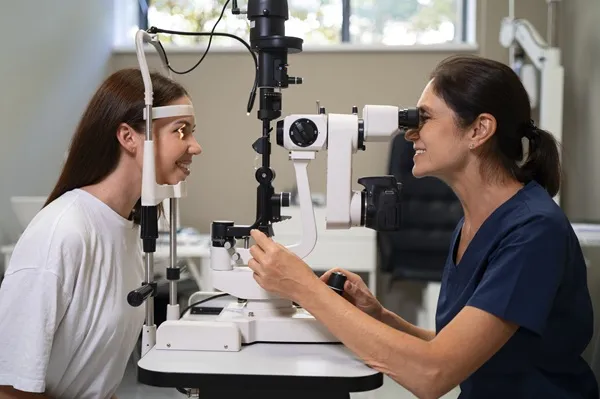
LASIK can reduce or eliminate the need for glasses or contact lenses, but many people wonder what life is actually like after the procedure. Will you see clearly immediately? How long does recovery take? When can you return to work, exercise, or drive?
The recovery experience can vary from person to person, but most people notice an improvement in their vision soon after LASIK. Here is what you can generally expect after LASIK vision correction.
Clearer Vision After LASIK
One of the first things many people notice after LASIK is an improvement in their vision. Some patients can see clearly within the first day, while their vision may continue to sharpen over the following days or weeks.
It is normal for your eyesight to fluctuate slightly during the early recovery period. Your eyes may also feel dry or sensitive to light. These symptoms usually improve as your eyes heal.
Your eye doctor will monitor your recovery and let you know whether your vision is progressing as expected.
The First Few Days
Immediately after LASIK, your eyes may feel irritated, watery, or sensitive. Some people may experience a mild burning or gritty sensation.
Your doctor may prescribe eye drops to support healing and reduce the risk of infection. You may also be advised to avoid rubbing or touching your eyes, particularly while they are healing.
It is important to follow your post-operative instructions carefully. Even if your vision feels good, your eyes still need time to recover.
When Can You Return to Work?
Many people can return to normal desk-based work relatively quickly, sometimes within a day or two, depending on their recovery and their eye doctor's advice.
If your work involves dust, smoke, chemicals, strenuous physical activity, or prolonged exposure to screens, you may need additional precautions or more recovery time.
If you spend long hours looking at a computer or phone, remember to take regular breaks and use lubricating eye drops if recommended by your doctor.
What About Driving?
You should not drive immediately after LASIK. Your vision needs to be clear enough for you to drive safely, and you should only return to driving after your eye doctor confirms that it is appropriate.
Some people may be able to drive within a few days, but the exact timing varies depending on individual recovery. Avoid driving until your vision meets the requirements for safe driving and your doctor has cleared you to do so.
Can You Exercise After LASIK?
Light activities can usually be resumed relatively soon, but strenuous exercise and activities where you could accidentally injure or rub your eyes may need to be avoided for a period recommended by your surgeon.
Swimming and other activities that expose your eyes to water may also require a temporary break. Your doctor will provide specific instructions based on your procedure and recovery.
Dry Eyes and Other Temporary Changes
Dry eyes are relatively common after LASIK. You may experience dryness, mild irritation, or fluctuations in the quality of your vision during the recovery period.
Some people may also notice glare, halos around lights, or difficulty seeing clearly at night, particularly during the early stages of healing.
These symptoms often improve with time, but you should mention persistent or worsening symptoms during your follow-up appointments.
Your Follow-Up Appointments Matter
LASIK does not end when you leave the clinic. Follow-up examinations are an important part of the recovery process.
Your eye doctor will check how your eyes are healing, assess your vision, and look for any signs that require attention. Attend all recommended follow-up appointments, even if your eyesight feels normal.
Following your doctor's advice during recovery can help support proper healing and allow any concerns to be identified early.
What Is Life Like in the Long Term?
Once your eyes have healed, many people enjoy everyday activities without relying on glasses or contact lenses. Reading, travelling, exercising, swimming, and participating in outdoor activities can become more convenient.
However, LASIK does not prevent every future change in your eyesight. Your eyes can still develop age-related conditions, and some people may eventually need reading glasses as they get older.
The goal of LASIK is to reduce dependence on glasses or contact lenses, not to guarantee perfect vision for life.
How Much Does LASIK Surgery Cost in India?
The LASIK surgery cost in India can vary depending on the type of laser vision correction, technology used, eye centre, surgeon's experience, and the patient's individual vision correction needs.
Advanced laser procedures and newer technologies may have a higher cost than standard LASIK. The overall treatment package may include pre-operative eye tests, the procedure, medicines, and follow-up appointments, depending on the eye centre.
Before choosing LASIK, ask your eye specialist about the total treatment cost and what is included. Your ophthalmologist can also recommend the most suitable vision correction procedure based on your eye health, prescription, and lifestyle.
When Should You Contact Your Eye Doctor?
Mild discomfort, dryness, and temporary changes in vision can occur during LASIK recovery. However, significant pain, a sudden decrease in vision, increasing redness, discharge, or other unusual symptoms should not be ignored.
Contact your eye doctor promptly if you experience anything that concerns you after LASIK. Early evaluation can help identify and address any complications or concerns during recovery.
A Clearer Routine After Vision Correction
For many people, LASIK can make everyday life more convenient by reducing their dependence on glasses or contact lenses. Recovery is generally quick, but giving your eyes enough time to heal and following your surgeon's instructions are essential for a smooth recovery.
If you are considering LASIK, speak with a qualified eye specialist to find out whether you are a suitable candidate and what you can realistically expect from the procedure, its cost, and recovery.