Legal Options for Resolving Civil Disputes in Perth
By Betsy Amanda
81 Views
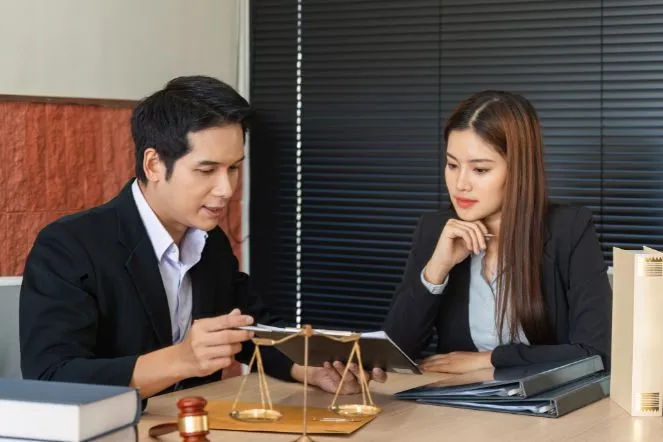
Civil disputes can arise in many aspects of everyday life, from contractual disagreements and property conflicts to business disputes and debt recovery matters. When a dispute occurs, understanding the available legal options can help individuals and businesses in Perth make informed decisions and achieve efficient resolutions. While litigation is often the most well-known approach, several alternative methods may provide faster, more cost-effective outcomes.
Understanding Civil Disputes
A civil dispute involves a disagreement between two or more parties regarding legal rights, obligations, or responsibilities. Unlike criminal cases, civil matters generally seek compensation, enforcement of rights, or specific remedies rather than punishment.
Common civil disputes in Perth include:
- Contract disputes
- Property and boundary disagreements
- Building and construction disputes
- Business and partnership conflicts
- Debt recovery matters
- Employment-related claims
- Consumer disputes
Selecting the appropriate dispute resolution method depends on the nature of the conflict, the parties involved, and the desired outcome.
Negotiation
Negotiation is often the first step in resolving a civil dispute. It involves direct discussions between the parties to reach a mutually acceptable agreement without court intervention.
This approach offers several advantages:
Lower costs compared to formal legal proceedings
Faster resolution
Greater control over the outcome
Preservation of business or personal relationships
Legal representation during negotiations can help ensure that your rights are protected and that any settlement agreement is legally enforceable.
Mediation
Mediation is a structured process where an independent third-party mediator assists the parties in reaching a voluntary agreement. The mediator does not make decisions but facilitates productive discussions and helps identify practical solutions.
Mediation is widely used in Perth because it:
- Encourages collaborative problem-solving
- Maintains confidentiality
- Reduces legal expenses
- Can often resolve disputes more quickly than court proceedings
- Many courts and tribunals encourage or require mediation before a matter proceeds to a hearing.
Arbitration
Arbitration is a more formal alternative dispute resolution process. An independent arbitrator hears evidence from both parties and makes a binding decision.
Arbitration is commonly used in commercial and contractual disputes because it offers:
- Greater privacy than court proceedings
- Flexibility in procedure
- Faster resolution than traditional litigation
- Final and enforceable outcomes
Businesses often include arbitration clauses in contracts to streamline the resolution of future disputes.
Tribunal Proceedings
Certain civil disputes may be handled through specialist tribunals rather than traditional courts. In Western Australia, tribunals can address specific matters such as tenancy disputes, consumer complaints, and some commercial issues.
Tribunal proceedings are generally less formal and more accessible than court litigation. They are designed to provide efficient and cost-effective dispute resolution while still ensuring procedural fairness.
Court Litigation
When alternative dispute resolution methods fail or are unsuitable, court litigation may become necessary. Litigation involves presenting a case before a judge who will determine the outcome based on the evidence and applicable law.
Court proceedings may be appropriate when:
- A party refuses to negotiate
- Urgent legal remedies are required
- Complex legal issues need judicial determination
- Significant financial losses are involved
While litigation can provide a definitive resolution, it is often more time-consuming and expensive than other dispute resolution methods. Obtaining legal advice early in the process can help assess the strength of your case and identify the most effective strategy.
Seeking Professional Legal Advice
Every civil dispute is unique, and the best resolution method will depend on the specific circumstances involved. An experienced civil litigations lawyer can evaluate your situation, explain your legal rights, and guide you through the available options.
Early legal intervention can often prevent disputes from escalating and increase the likelihood of a favourable outcome. Whether through negotiation, mediation, arbitration, tribunal proceedings, or litigation, professional legal support can help you achieve a practical and legally sound resolution.
Conclusion
Resolving civil disputes in Perth does not always require a courtroom battle. Various dispute resolution methods are available, each offering distinct advantages depending on the circumstances. By understanding your options and seeking timely legal advice, you can pursue the most effective path toward resolving conflicts while protecting your interests and minimizing unnecessary costs.