How Lawn Care Business Management Software Boosts Productivity
By cleri
63 Views
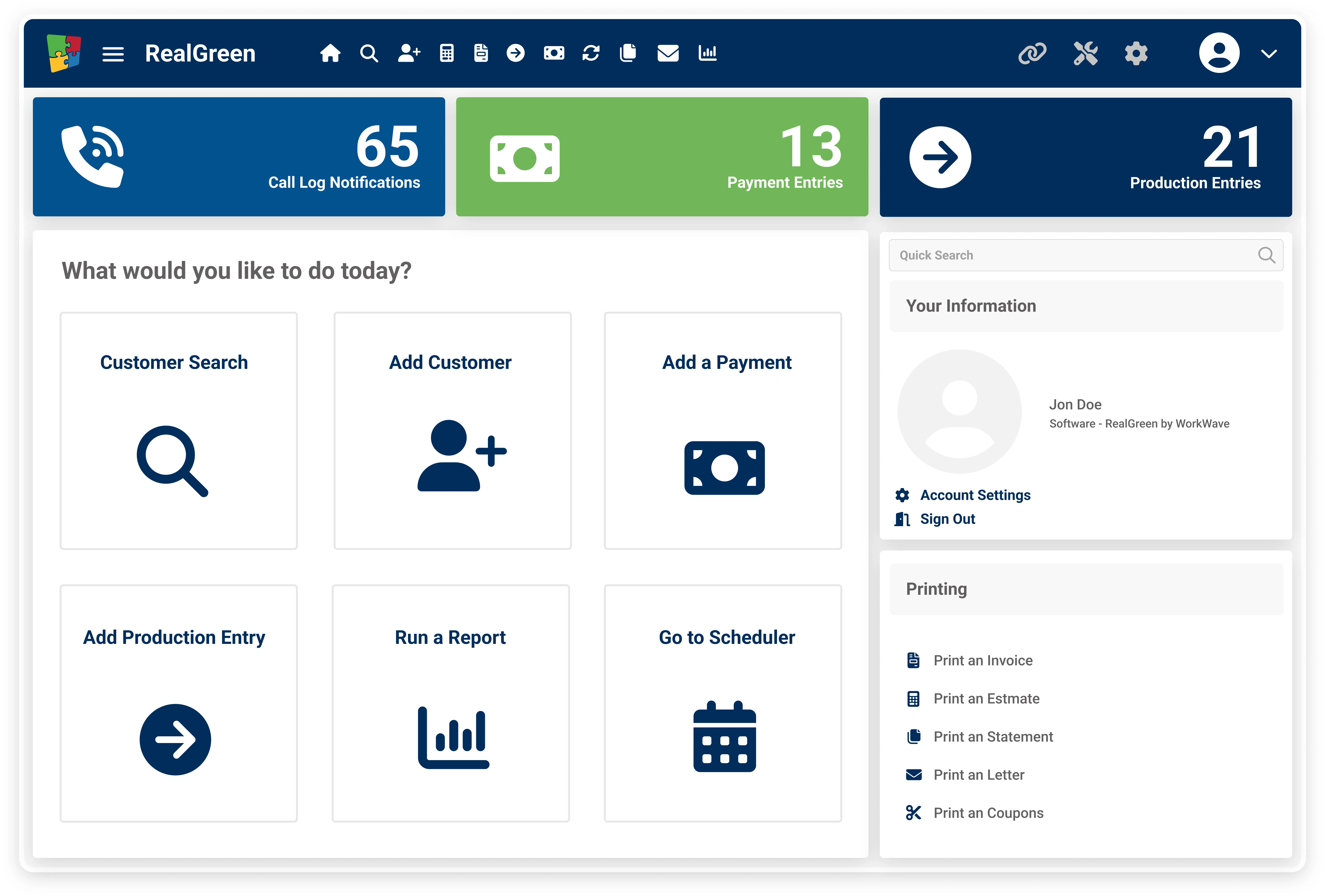
Running a profitable landscaping or lawn service business demands juggling multiple moving parts. Between coordinating crew schedules, adjusting routes for rain delays, calculating chemical application amounts, and chasing down overdue invoices, operational chaos can quickly eat into profit margins. Traditional paper work orders and manual spreadsheets create administrative bottlenecks that cap business growth and burn out field managers. To break free from administrative clutter, adopting a specialized lawn care business management software has become an essential strategy for modern green industry contractors.
This article examines how digital field service automation transforms day-to-day operations, cuts overhead costs, and accelerates business growth.
1. Eliminating Administrative Bottlenecks with Automated Scheduling and Dispatching
One of the biggest daily drains on productivity in lawn service operations is managing job schedules. Manual scheduling requires back-office staff to balance weekly mowing routines, seasonal fertilization programs, one-time hardscaping projects, and emergency call-outs across multiple crews. When weather delays strike, rebooking dozens of properties by hand creates administrative paralysis.
Digital dispatching tools eliminate these pain points by replacing physical whiteboards with drag-and-drop calendar interfaces.
- Recurring Job Automation: Set up weekly or bi-weekly mowing schedules once, and the platform automatically populates daily work orders for the entire season.
- Dynamic Weather Rescheduling: Shift an entire day’s route forward with a single click during rainouts, automatically sending updated appointment notifications to affected customers.
- Skill-Based Crew Assignment: Assign specialized tasks—such as aeration, pest control, or tree trimming—to crews with the appropriate licensing and equipment.
By automating routine scheduling tasks, administrative teams save up to 10 to 15 hours every week, allowing them to shift focus from reactive firefighting to proactive customer service and lead follow-up.
2. Optimizing Daily Field Routes to Reduce Drive Time and Fuel Costs
Drive time is non-billable time. Every minute a lawn care truck spends idling in traffic or crisscrossing town between distant properties directly reduces gross profit margins. Without intelligent route planning, crews waste fuel and complete fewer visits per day.
Modern field service platforms feature built-in GPS mapping and route optimization algorithms that sequence daily stops logically:
+-------------------------------------------------------------------------+
| MANUAL VS. OPTIMIZED ROUTE PERFORMANCE |
+------------------------------------+------------------------------------+
| Operational Metric | Business Impact |
+------------------------------------+------------------------------------+
| Drive Time per Crew | Reduced by 20%–30% daily |
+------------------------------------+------------------------------------+
| Completed Jobs per Day | Increased by 2 to 4 stops per truck|
+------------------------------------+------------------------------------+
| Annual Fuel Expenditure | Significant cost reduction |
+------------------------------------+------------------------------------+
| Carbon Footprint | Lower fleet emissions |
+------------------------------------+------------------------------------+
By grouping jobs by neighborhood density and calculating real-time traffic conditions, route optimization allows companies to squeeze additional property visits into standard work shifts without overworking crews.
3. Streamlining Estimates, Proposals, and Instant Client Conversions
In the service industry, speed to quote often determines who wins the contract. Waiting days to email a PDF estimate or hand-delivering paper proposals gives competitors an open door to capture the lead.
Digital estimating modules streamline the sales pipeline from initial contact to signed contract:
- Property Measurement Integrations: Measure lawn square footage remotely using high-resolution satellite imagery to generate accurate quotes without visiting the property.
- Standardized Pricing Matrices: Calculate labor hours, mulch yardage, or fertilizer quantities automatically based on predefined property size rules.
- Interactive Digital Proposals: Send branded estimates via SMS or email featuring clickable add-on options (e.g., overseeding, leaf removal, or gutter cleaning).
- E-Signatures & Deposit Capture: Allow clients to approve proposals and submit credit card deposits directly from their mobile devices.
Closing jobs faster minimizes sales cycles and boosts proposal conversion rates by eliminating friction for residential and commercial buyers.
4. Accelerating Cash Flow through Mobile Invoicing and Automated Payments
Delayed invoicing is a primary cause of cash flow bottlenecks for growing lawn care companies. When technicians write job tickets by hand on paper, office staff must manually audit, key in, and mail paper invoices days or weeks later.
Mobile billing systems unify field completion with financial reconciliation:
- One-Click Mobile Invoicing: As soon as a foreman marks a job "Complete" on their tablet or smartphone, the software automatically generates an electronic invoice with job notes attached.
- Batch Invoicing & Card-on-File: Automatically charge stored customer credit cards or ACH accounts immediately upon job completion or at the end of each billing cycle.
- Automated Late Payment Reminders: Set up automated SMS and email sequences to gently remind clients of overdue balances, reducing Days Sales Outstanding (DSO).
- Two-Way Accounting Sync: Integrate directly with QuickBooks Online, QuickBooks Desktop, or Xero to reconcile revenue, taxes, and bank deposits without double entry.
Accelerating payments keeps working capital liquid, enabling businesses to invest in better equipment, marketing, and crew expansion.
5. Real-Time Crew Management and Precise Job Costing
Understanding true labor costs and property profitability requires visibility into field execution. Estimating 45 minutes for a residential property that consistently takes 75 minutes silently erodes business profit.
Integrated mobile apps empower field technicians while supplying managers with actionable productivity metrics:
- GPS Geofenced Time Clocks: Crews clock in and out of specific property perimeters from their smartphones, ensuring accurate billing hours and labor logs.
- Job Costing Analytics: Compare estimated labor hours against actual time spent per job to identify unprofitable properties or underperforming crews.
- Digital Proof of Performance: Enable technicians to upload site photos, report property damage, and record chemical batch usage directly within job logs.
Tracking these operational details elevates accountability across field teams and ensures pricing structures reflect actual labor costs.
6. Enhancing Customer Retention via Self-Service Client Portals
Delivering superior customer service requires clear communication before, during, and after service visits. Modern management tools include dedicated self-service customer hubs that reduce incoming phone calls while improving client satisfaction.
Key client-facing features include:
- Automated On-My-Way Alerts: Send automated text notifications to homeowners when a crew is en route to their property.
- 24/7 Online Client Portals: Provide customers with a secure web portal to request new services, review job history, pay bills, and view before-and-after photos.
- Automated Review Collection: Prompt satisfied clients to leave positive online reviews immediately after service completion to boost local SEO ratings.
Streamlining customer touchpoints creates a frictionless client experience that increases annual contract renewals.
7. Top Industry Platforms Driving Green Industry Productivity
When selecting a dedicated lawn care business management software, green industry leaders evaluate platforms based on company size, budget, and operational complexity:
- RealGreen by WorkWave: The enterprise gold standard for large lawn treatment, spray, and maintenance operations requiring chemical tracking and dynamic routing.
- Jobber: A top-rated, user-friendly CRM and scheduling app ideal for solo operators and small-to-midsize field teams seeking streamlined billing and client management.
- Service Autopilot: Engineered for fast-growing companies demanding deep operational automation, advanced dispatching, and targeted marketing workflows.
- GorillaDesk & LawnPro: Cost-effective, accessible platforms offering core scheduling, mobile invoicing, and route management for budget-conscious business owners.
- LMN & Aspire: Comprehensive enterprise software suites designed for large-scale commercial landscaping, estimating, and landscape construction management.
Matching your company's operational needs with the right platform ensures a high return on technology investment.
8. Frequently Asked Questions (FAQs)
What is lawn care business management software and how does it work?
It is a centralized digital platform that consolidates core daily operations—such as customer management, job scheduling, route optimization, mobile invoicing, and payment processing—into a single desktop and mobile app interface.
How does software help lawn care businesses save money and increase profitability?
By optimizing driving routes to save fuel, reducing administrative labor through automated billing, and tracking job costing metrics to ensure properties are priced accurately for profit.
Can small or solo lawn care operators benefit from management software?
Yes. Platforms tailored for small crews (such as Jobber or GorillaDesk) eliminate repetitive administrative work, allowing solo operators to handle higher job volumes without hiring office staff.
How does route optimization work in field service software?
Route optimization uses GPS technology and algorithms to analyze job locations, street networks, and traffic patterns, arranging daily stops in the most efficient order to minimize drive time.
9. Conclusion: Scaling Your Business through Operational Efficiency
Sustained growth in the competitive green industry requires more than just quality craftsmanship and hard work. Relying on outdated paper processes limits operational capacity, increases drive times, and delays revenue collection.
Implementing dedicated lawn care business management software establishes a scalable foundation for your entire operation. By automating scheduling, optimizing daily routes, and accelerating payment processing, lawn care business owners reduce overhead, empower field crews, and build a more profitable service business.