Laser Liposuction Dubai for a Smoother and Faster Recovery
By royal clinic
67 Views
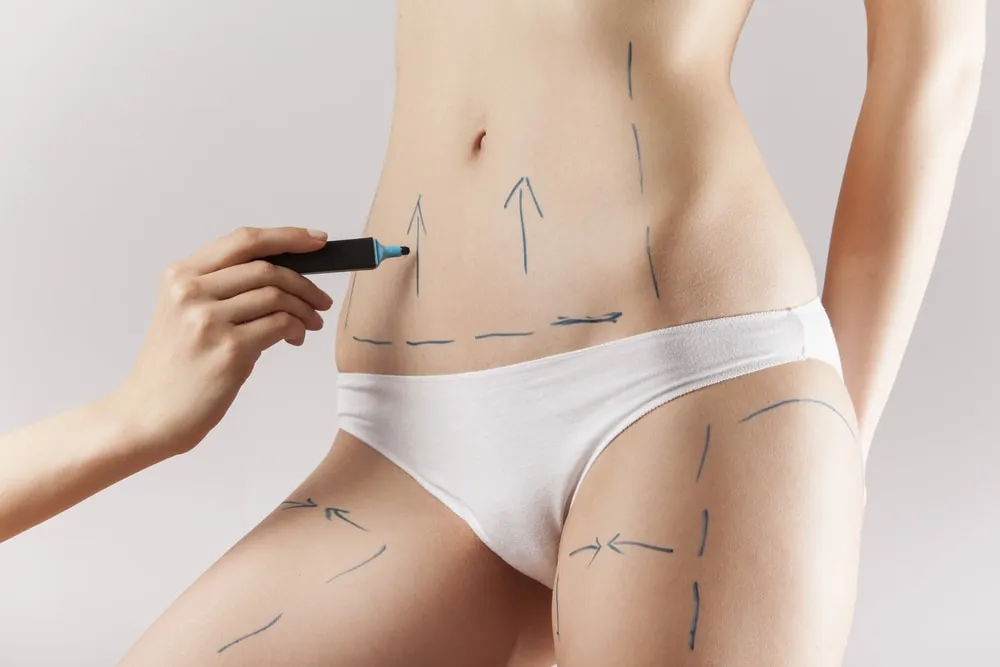
Laser liposuction has become an increasingly discussed option for people seeking targeted body contouring with less disruption than some traditional surgical approaches. Unlike general weight-loss methods, the procedure focuses on localized fat deposits that may remain resistant to diet and exercise. Depending on the technique used, laser energy can help liquefy fat before it is removed, while some approaches may also support tissue tightening.
The recovery experience depends on the treatment method, treatment area, amount of fat addressed, individual healing response, and the clinician's technique. It is therefore important not to assume that every patient will experience the same downtime. A proper consultation helps determine whether laser-assisted fat reduction is appropriate and whether a minimally invasive or surgical approach is more suitable.
For those researching Laser Liposuction Dubai clinic selection is particularly important. Patients should look beyond promotional claims and assess medical qualifications, technology, treatment planning, safety protocols, and the level of follow-up provided. Several clinics offer body-contouring and laser-based treatments, but their techniques and treatment pathways can differ.
What Makes Laser Liposuction Different?
Laser-assisted liposuction uses controlled laser energy to target fat tissue. In minimally invasive techniques, a small fiber may be introduced through a tiny incision, allowing energy to act on the targeted area before the liquefied fat is removed. The exact approach varies according to the device and clinical protocol.
One reason patients consider this technique is its ability to focus on specific areas rather than treating the body as a whole. Common areas can include the abdomen, flanks, thighs, arms, back, and under the chin.
Laser treatment may also be associated with tissue-tightening effects because thermal energy can stimulate collagen remodeling. However, the degree of tightening varies from person to person and should not be presented as a guaranteed outcome.
Clinics to Consider for Laser Liposuction
Dynamic Life Clinic
Dynamic Life Clinic provides a broad range of aesthetic and body-contouring services, including laser liposuction. Its published treatment information describes laser liposuction as a technique that uses laser energy to melt fat, making it easier to remove. The clinic also identifies small areas of stubborn fat and body sculpting among potential applications.
For patients considering treatment, the consultation should clarify which laser technology is being used, whether fat will be removed or treated without suction, and what recovery is expected for the selected area.
Tajmeels Clinic
Tajmeels Clinic offers liposuction and laser treatments as part of its cosmetic treatment portfolio. Its laser lipolysis information describes a minimally invasive approach designed for localized fat deposits and highlights relatively limited downtime compared with more extensive surgical procedures.
Patients should confirm the exact procedure being recommended because the terms laser lipolysis and laser liposuction can refer to different treatment approaches. Understanding whether the fat is suctioned out or treated through another mechanism can make expectations about results and recovery much clearer.
Medicure Aesthetics Dubai
Medicure Aesthetics provides laser and body-contouring treatments, including laser liposuction. Its current information describes the technique as minimally invasive and intended to help melt and remove fat for a more contoured appearance.
For surgical liposuction more broadly, Medicure states that treatment planning includes medical assessment, evaluation of the treatment area, and consideration of factors such as skin elasticity and overall health.
Enfield Royal Clinic
Enfield Royal Clinic offers laser-based fat reduction and body-contouring options, with its published information describing laser fat removal as a treatment for localized resistant fat. The clinic also emphasizes consultation and individualized assessment before treatment.
When considering Laser Liposuction, patients can use the consultation to discuss the amount and location of unwanted fat, skin elasticity, expected contour changes, and whether laser-assisted treatment is appropriate for their goals. This personalized assessment is particularly useful because skin quality and fat distribution can influence the final treatment plan.
How to Choose the Right Clinic for Laser Liposuction
Experience and Qualifications
The clinician performing or supervising the procedure should have appropriate qualifications and relevant experience in body contouring. Patients should feel comfortable asking who will perform the treatment and what training they have in the selected technique.
Technology and Techniques
Not all laser devices work in exactly the same way. Ask which technology will be used, whether the procedure is minimally invasive or surgical, and how the laser energy interacts with fat and surrounding tissue.
Safety Standards
A reputable clinic should follow appropriate medical and sterilization standards and have a clear process for assessing whether a patient is suitable for treatment. Medical history, medications, existing conditions, skin quality, and previous procedures may all influence eligibility.
Consultation Process
A detailed consultation should involve more than simply identifying the desired treatment area. The clinician should assess fat distribution, skin elasticity, expectations, and overall suitability before recommending a procedure.
Patient Experience
Good communication is important before and after treatment. Patients should understand what happens during the procedure, what temporary effects may occur, how long normal activities may be limited, and when follow-up is required.
Expected Results
Laser liposuction is primarily a body-contouring procedure rather than a treatment for overall weight loss. Results develop as swelling settles and the tissues heal. Maintaining a stable weight can help preserve the contour achieved through fat reduction.

Frequently Asked Questions
Is Laser Liposuction suitable for weight loss?
No. Laser liposuction is intended for localized fat reduction and body contouring. It is not a substitute for a healthy lifestyle or a comprehensive weight-management program.
Does Laser Liposuction involve surgery?
The answer depends on the specific technique. Some laser lipolysis procedures are minimally invasive, while laser-assisted liposuction may involve small incisions and suction-assisted fat removal. Patients should ask the clinic exactly which method is being proposed.
How long does recovery take after Laser Liposuction?
Recovery varies according to the treatment area, technique, amount of fat treated, and individual healing. Some minimally invasive approaches may involve relatively limited downtime, while surgical liposuction generally requires a longer recovery period.
Can Laser Liposuction tighten loose skin?
Laser energy may encourage collagen remodeling and can provide some degree of tissue tightening in suitable patients. However, the result depends on factors such as age, skin elasticity, treatment area, and the extent of existing laxity.
Are the results of Laser Liposuction permanent?
Fat cells removed during liposuction do not simply regenerate, but remaining fat cells can enlarge if a person gains weight. Maintaining a stable weight is therefore important for preserving body contours.
Conclusion
Laser-assisted body contouring can be an option for people dealing with localized fat deposits and looking for a more targeted approach. The smoother recovery often associated with minimally invasive techniques can be appealing, but recovery should never be guaranteed because individual healing varies.
Choosing the right provider requires careful consideration of qualifications, technology, safety standards, consultation quality, and realistic expectations. A professional assessment can determine whether Laser Liposuction is appropriate and which technique best matches the patient's anatomy and goals.