Laser Hair Removal Maple: How to Prepare Your Skin Before and After Treatment
By john miller
61 Views
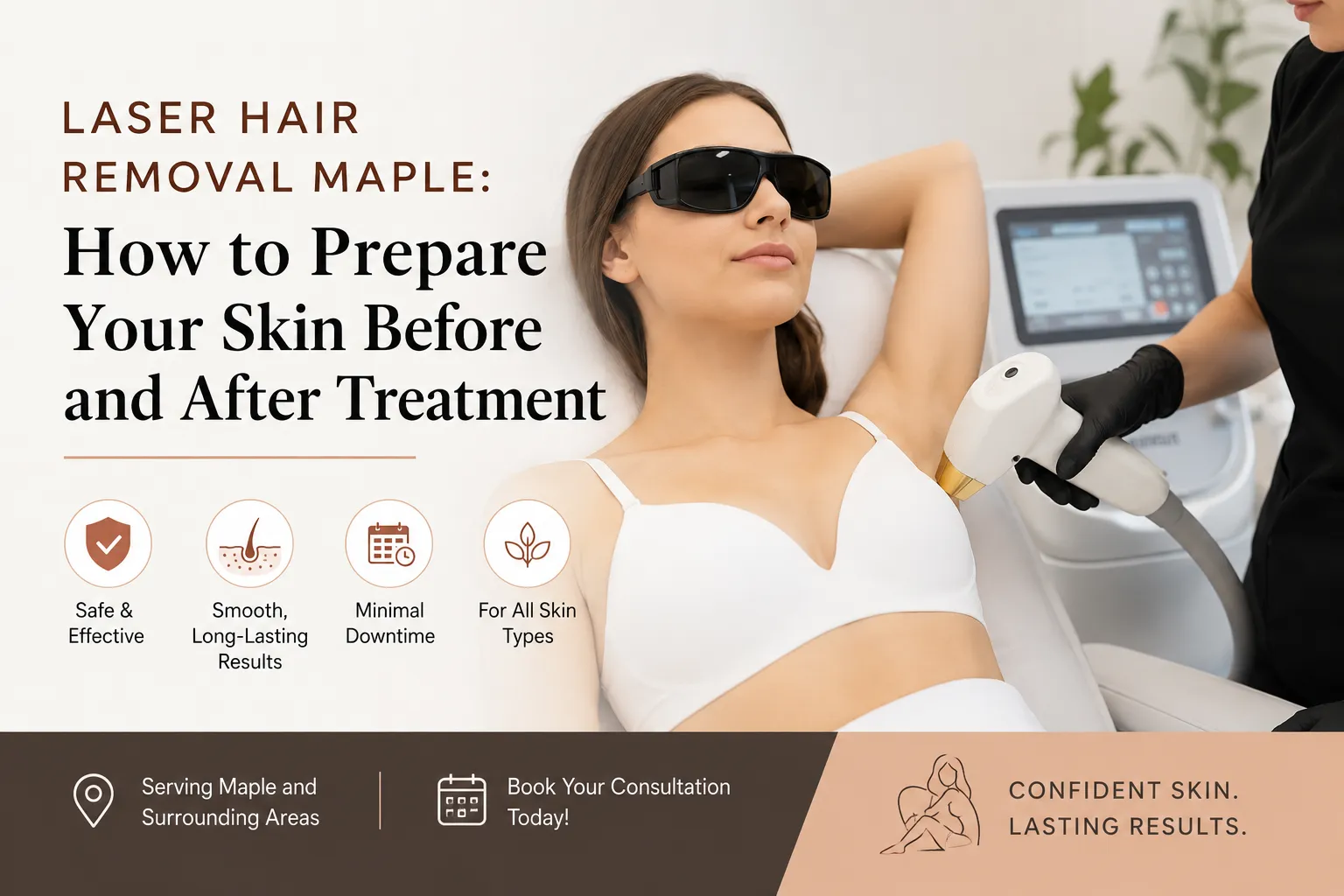
If you're considering Laser Hair Removal Maple, preparing your skin correctly before and after each session is one of the most important steps toward achieving smooth, long-lasting results. While advanced laser technology can significantly reduce unwanted hair, your skin's condition plays a major role in how effective the treatment will be. Proper preparation helps minimize irritation, improves treatment efficiency, and supports faster healing after every appointment.
Whether you're treating your face, legs, underarms, bikini area, back, or chest, following the right skincare routine before and after laser sessions can make a noticeable difference. In this guide, you'll learn everything you need to know about preparing your skin, what to avoid, and how to maintain your results for healthier-looking skin throughout your laser hair removal journey.
Why Skin Preparation Matters Before Laser Hair Removal
Laser hair removal works by directing concentrated light energy into the pigment (melanin) inside the hair follicle. The heat generated damages the follicle, slowing or preventing future hair growth.
Healthy, properly prepared skin allows the laser to target hair follicles more effectively while reducing the chances of unwanted side effects like redness, irritation, burns, or pigmentation changes.
Proper preparation helps:
- Improve laser effectiveness
- Reduce skin sensitivity
- Lower the risk of complications
- Promote faster healing
- Deliver smoother, longer-lasting results
Ignoring pre-treatment instructions may reduce the effectiveness of each session and increase discomfort during treatment.
How Laser Hair Removal Works
Understanding the treatment process helps explain why preparation is so important.
Laser devices emit a controlled beam of light that is absorbed by hair pigment. Once absorbed, the heat travels down into the follicle, damaging its ability to grow new hair. Since hair grows in different cycles, multiple sessions are necessary to treat follicles during their active growth phase.
Because the laser targets pigment, both your hair color and your skin condition influence treatment success.
Preparing Your Skin Before Laser Hair Removal
Stay Out of the Sun
Sun exposure is one of the biggest factors that can interfere with laser treatments.
Tanned or sunburned skin contains extra melanin, making it more difficult for the laser to distinguish between the skin and the hair follicle. This increases the risk of burns, blistering, and pigmentation issues.
Ideally:
- Avoid direct sunlight for at least two weeks before treatment.
- Wear protective clothing outdoors.
- Apply broad-spectrum SPF 30 or higher daily.
- Avoid tanning beds completely.
Keeping your natural skin tone consistent helps improve treatment safety and effectiveness.
Stop Waxing and Plucking
Many people mistakenly believe they should remove hair completely before treatment.
In reality, laser hair removal requires the hair follicle to remain intact.
Avoid:
- Waxing
- Tweezing
- Threading
- Epilating
These methods remove the follicle, leaving nothing for the laser to target.
Instead, shave the treatment area according to your provider's instructions.
Shave Before Your Appointment
Shaving is recommended because it removes surface hair while preserving the follicle beneath the skin.
Benefits include:
- Less discomfort
- More efficient laser energy
- Lower chance of skin irritation
- Reduced burning smell during treatment
Most providers recommend shaving approximately 24 hours before your appointment.
Avoid shaving immediately before treatment if your skin becomes easily irritated.
Keep Your Skin Clean
On the day of treatment, your skin should be free from products that could interfere with the laser.
Remove:
- Makeup
- Lotions
- Oils
- Deodorant
- Perfume
- Sunscreen
Clean skin allows the laser to work directly on the hair follicles without unnecessary barriers.
Avoid Active Skincare Ingredients
Some skincare ingredients make the skin more sensitive to laser energy.
Several days before treatment, avoid products containing:
- Retinol
- Retinoids
- Glycolic acid
- Salicylic acid
- Lactic acid
- Chemical exfoliants
These ingredients can increase redness and irritation during treatment.
Stay Hydrated
Hydrated skin generally responds better to laser treatments.
Drink plenty of water before your appointment to help maintain healthy skin function and support quicker recovery.
Well-hydrated skin also tends to tolerate laser energy more comfortably.
Inform Your Provider About Medications
Certain medications increase sensitivity to light.
Always discuss any medications or supplements you're taking, including:
- Antibiotics
- Acne medications
- Blood thinners
- Hormonal medications
- Photosensitive drugs
Your provider may recommend adjusting treatment timing if necessary.
Wear Comfortable Clothing
Loose-fitting clothing helps reduce friction after treatment.
This is especially important for areas such as:
- Bikini line
- Underarms
- Legs
- Back
Soft fabrics help minimize irritation immediately after your appointment.
What Happens During Treatment?
During treatment:
- Protective eyewear is provided.
- The treatment area is cleansed.
- Cooling technology may be used.
- Laser pulses are delivered across the skin.
- Sessions usually last between 15 and 60 minutes depending on the treatment area.
Many patients describe the sensation as a mild snapping feeling similar to a rubber band against the skin.
Immediate Aftercare Following Laser Hair Removal
Proper aftercare is just as important as preparation.
Immediately after treatment, it's normal to experience:
- Mild redness
- Slight swelling
- Temporary warmth
- Minor sensitivity
These effects usually disappear within several hours to a couple of days.
Cool the Treated Area
Applying a cool compress helps reduce inflammation and discomfort.
Avoid placing ice directly on the skin.
Instead:
- Use a clean, cool cloth.
- Apply for 10 to 15 minutes as needed.
- Repeat throughout the first day if necessary.
Continue Avoiding Sun Exposure
Freshly treated skin becomes more sensitive to UV rays.
For at least two weeks after treatment:
- Avoid prolonged outdoor exposure.
- Wear SPF 30 or higher every day.
- Cover treated areas whenever possible.
Sun protection reduces the risk of hyperpigmentation and supports better healing.
Skip Hot Showers and Saunas
Heat increases inflammation after treatment.
For the first 24 to 48 hours, avoid:
- Hot baths
- Steam rooms
- Saunas
- Hot tubs
Instead, choose lukewarm showers until your skin feels normal again.
Avoid Intense Exercise
Heavy workouts increase sweating and skin temperature.
For about 24 hours after treatment, postpone:
- Running
- Weightlifting
- HIIT workouts
- Sports activities
Allow your skin time to recover before resuming strenuous exercise.
Moisturize Gently
Keeping the skin moisturized supports healing.
Choose fragrance-free, gentle moisturizers without harsh chemicals.
Avoid heavily scented lotions that may trigger irritation.
Don't Pick or Scratch the Skin
Hair follicles begin shedding naturally over the following days and weeks.
Some people mistake this process for new hair growth.
Avoid:
- Scratching
- Picking
- Exfoliating aggressively
Allow the hairs to fall out naturally.
Delay Exfoliation
While exfoliation eventually helps remove shedding hairs, it's important to wait until your skin has fully recovered.
Typically:
- Wait five to seven days.
- Use a gentle exfoliating mitt or soft scrub.
- Avoid aggressive chemical peels.
Gentle exfoliation helps reduce the risk of ingrown hairs.
Common Skin Reactions After Treatment
Most reactions are temporary and mild.
These may include:
Redness
Usually resolves within several hours.
Swelling Around Hair Follicles
A normal sign that the follicles responded to treatment.
Mild Itching
Temporary itching may occur during healing.
Hair Shedding
Hair gradually falls out over the next one to three weeks.
This is an expected part of the treatment process.
What You Should Avoid Between Sessions
To maintain the best results:
- Don't wax or tweeze.
- Continue shaving if needed.
- Wear sunscreen daily.
- Keep your skin moisturized.
- Follow your provider's recommended schedule.
- Attend every appointment consistently.
Missing sessions may delay your overall progress.
Long-Term Skin Care Tips
Healthy skin supports better laser results throughout your treatment plan.
Helpful habits include:
Use Daily Sunscreen
Consistent UV protection reduces pigmentation risks and protects treated skin.
Keep Skin Hydrated
Hydrated skin heals more efficiently after each appointment.
Maintain a Gentle Skincare Routine
Choose products that support your skin barrier rather than over-exfoliating.
Avoid Self-Tanners
Artificial tanning products may interfere with future laser sessions.
How Many Treatments Will You Need?
Hair grows in multiple stages, meaning no single treatment removes every hair permanently.
Most individuals require:
- Six to eight initial sessions
- Maintenance treatments once or twice per year
Factors influencing treatment include:
- Hair thickness
- Hair color
- Hormones
- Skin tone
- Treatment area
Consistency is essential for achieving optimal long-term hair reduction.
Areas That Require Special Care
Face
Avoid makeup immediately after treatment and use gentle cleansers.
Underarms
Skip deodorant for approximately 24 hours if advised by your provider.
Bikini Area
Wear breathable cotton underwear and avoid friction.
Legs
Apply moisturizer regularly and avoid excessive sun exposure.
Back and Chest
Wear loose clothing to minimize irritation.
Who Is a Good Candidate?
Laser hair removal works well for many individuals seeking long-term hair reduction.
Ideal candidates generally:
- Have unwanted facial or body hair.
- Can commit to multiple sessions.
- Follow pre- and post-treatment instructions carefully.
- I want an alternative to constant shaving or waxing.
Advancements in laser technology have expanded treatment options for a wider variety of skin tones and hair types, though an individual consultation helps determine the most suitable treatment plan.
Frequently Asked Questions
Can I shave after laser hair removal?
Yes. Shaving is typically the recommended hair removal method between sessions.
Why is my hair still growing?
Hair sheds gradually after treatment, and dormant follicles become active over time. Multiple sessions are necessary because hair grows in cycles.
Is redness normal?
Yes. Mild redness and slight swelling are common and usually disappear within a day or two.
Can I wear makeup afterward?
If your face was treated, it's generally best to wait until any redness has subsided before applying makeup.
Can I swim after treatment?
It's recommended to avoid pools, hot tubs, and chlorinated water for at least 24 to 48 hours to reduce irritation.
Final Thoughts
Achieving the best results from Laser Hair Removal Maple begins long before your appointment and continues well after each session. Simple steps like avoiding sun exposure, shaving instead of waxing, keeping your skin hydrated, and following proper aftercare instructions can significantly improve both your comfort and treatment results.
By maintaining healthy skin and staying consistent with your treatment schedule, you'll maximize long-term hair reduction while minimizing unwanted side effects. Choosing an experienced provider who offers personalized care and advanced laser technology further enhances your overall experience. At Canada MedLaser, clients receive customized treatment plans designed to deliver safe, effective, and long-lasting results while prioritizing skin health every step of the way.