Laminar Air Flow and Operation Theater Classification Explained
By Amba Medinex
13 Views
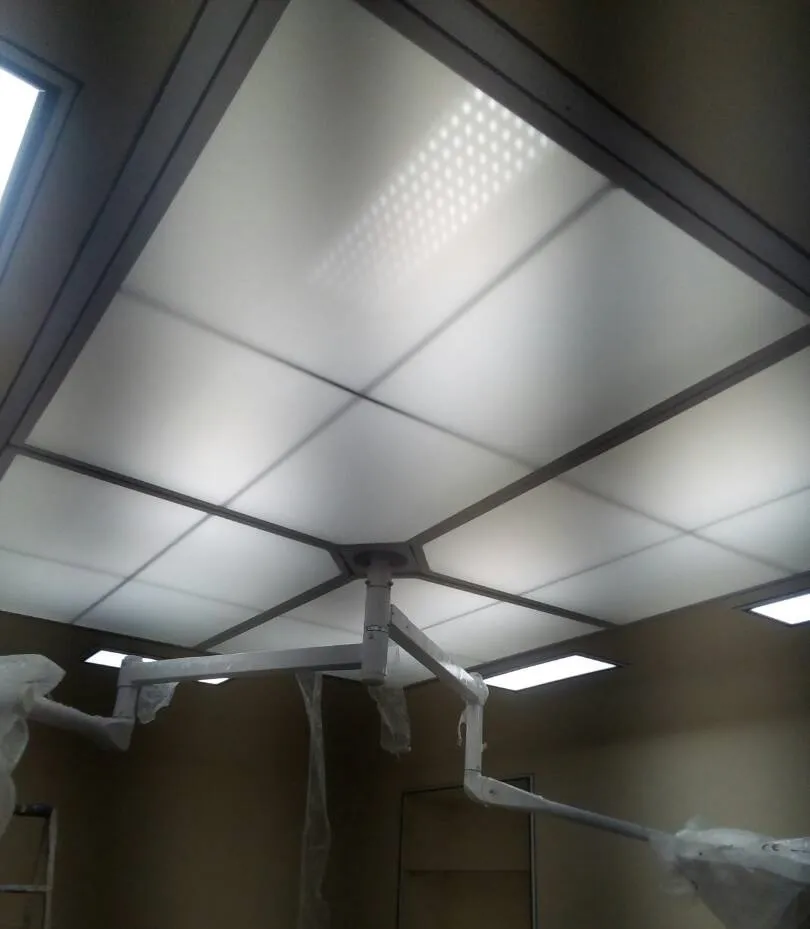
A clean and controlled environment is very important in today’s hospital operation theatres. Surgical procedures need controlled airflow, good filtration and appropriate environmental conditions to be able to assist in the reduction of the risks of airborne contamination. When planning to design or upgrade a modular operation theatre, selecting a reliable laminar air flow manufacturer in India is an important consideration.
Laminar flow systems are used in healthcare facilities to deliver filtered air in a controlled pattern. Properly designed and integrated with ventilation systems, they can support the environmental requirements of selected surgical procedures.
What is the Laminar Air Flow System?
A laminar air flow system is designed to deliver filtered air over a defined area in a relatively uniform and controlled direction. The system is generally equipped with high-efficiency particulate air (HEPA) filtration, airflow distribution elements and a suitable HVAC in an operating theatre.
Its main purpose is to help control the airborne particles in and around the critical areas, especially the surgical field. System performance is influenced by many factors such as filter efficiency, airflow velocity, room layout, pressure relationships, installation quality and maintenance.
Hospitals should choose a system based on a desired application of surgery and relevant healthcare engineering requirements, and not based on the equipment alone.
Classification of Operation Theatre
The classification of operation theater depending on the type of surgical procedure performed, the environmental conditions required and the relevant healthcare standards. Classification helps hospitals plan ventilation, filtration, infection prevention, and room design appropriate for the type of patient.
A common Indian planning framework categorises operation theatres by complexity of procedure and cleanliness requirements. The specific terminology and requirements vary between the standards and the hospital design guidelines.
1. Minor OT
Minor operation theatres are used for relatively simple procedures that usually require a less complicated surgical infrastructure. Examples may include minor surgical interventions and procedures under local anaesthesia.
The ventilation, filtration and finishes of the room should be selected according to the procedures to be performed and the infection-control needs of the facility.
2. Main Operation Theatre
The larger operating theatres are required for more complex surgery, such as many abdominal, orthopaedic and other procedures, which require specialist equipment and anaesthetic support.
Such theatres usually require well-designed ventilation systems, appropriate filtration, controlled environmental conditions and appropriate infection prevention measures.
3. Exclusive Operating Theatre
Dedicated operating theatres are tailored for particular clinical applications, like cardiac surgery, neurosurgery, transplant operations, or other high-level interventions. Requirements for environment and equipment are specific to the clinical speciality.
Laminar airflow can be used for selected applications based on the needs of the surgical team and prevailing engineering guidelines.
Important: Operation theatre classifications are not standardised into one simple three level system worldwide. Hospitals should follow applicable Indian standards, project specifications and healthcare accreditation requirements.
Significance of Laminar Air Flow in Operation Theatre
An appropriately designed laminar airflow system can help in environmental control in designated surgical areas. It can provide the following benefits:
2. Airborne particle control. HEPA filters remove particles from the air supplied.
Airflow distribution control: Airflow patterns are developed to assist in the control of air movement around critical areas.
Ventilation and filtration are components of a comprehensive infection control strategy to support infection prevention.
Integration with modular OT systems: Airflow equipment can be integrated with ceilings, lighting, HVAC systems and other theatre infrastructure.
Design specific to the application: the systems can be designed to match the dimensions of the room and the procedural requirements.
Laminar airflow does not prevent infection at the surgical site. Its effectiveness depends on the overall design, installation, maintenance and clinical practices of the ventilation.
How to Select a Laminar Air Flow Manufacturer in India?
When choosing a manufacturer, hospitals and healthcare project consultants must take into account a range of factors:
Filtration quality: Check performance of the specified HEPA filter and associated test documentation.
Airflow design: Verify that airflow distribution is suitable for the operating area and room layout.
System integration: It should be compatible with the OT ceiling, surgical lights, HVAC system, and other equipment.
Technical support: Verify that design help, installation instructions and commissioning are provided.
Hospitals can end up with a correct controlled environment by selecting equipment based on documented performance and project requirements.
Summary
To set up a modern operation theatre, you should choose a proven laminar air flow manufacturer in India. A well-designed system can incorporate airborne particulate control and be a key part of the hospital's overall ventilation and infection prevention strategy.
Knowing the classification and the use of each operation theatre helps hospitals to select the right airflow solutions. By considering filtration performance, system integration, technical support, and applicable standards, healthcare facilities can design surgical environments that are reliable and well-conceived.