Effluent Treatment Plant (ETP): Treating Industrial Waste, Protecting Water
93 Views
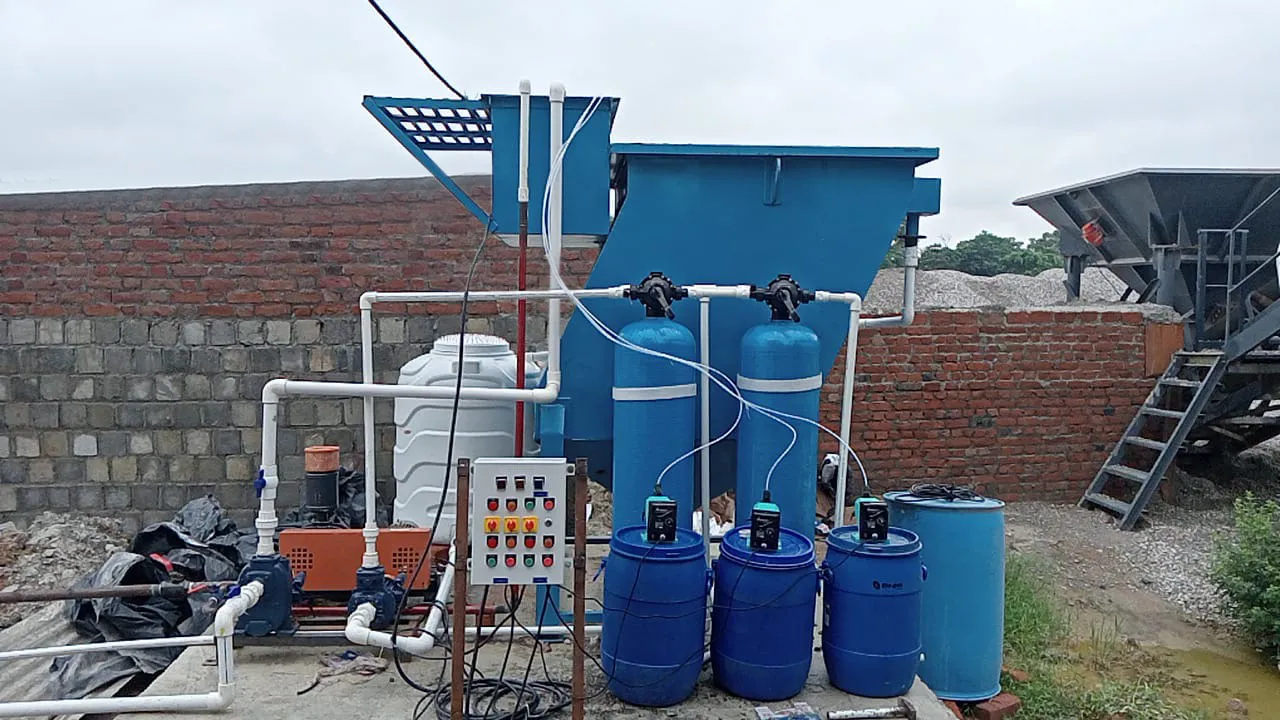
Management of the wastewater is essential from the environmental point of view. Processes used in the industry create huge quantities of wastewater that are heavily polluted with various pollutants like chemicals, oils, heavy metals, etc. To clean this water, installation of an Effluent Treatment Plant is planned. The wastewater will be treated at the effluent treatment Plant before release into the environment.
What Is an Effluent Treatment Plant (ETP)?
Effluent Treatment Plant (ETP) is a treatment system for the wastewater generated by industries. Its major function is cleaning of the water of pollutants.
Modern ETPs' water can be reused, lowers the usage of freshwater consumption and operating costs.
How Does an Effluent Treatment Plant Treat Industrial Wastewater?
The Effluent Treatment Process steps are:
1. Preliminary Treatment: The solid material are remove from the untreated water with the help of screens & grit chambers. It improves the treatment efficiency and effectiveness by protecting the downstream from getting damages.
2. Primary Treatment: Here the untreated waste solids settle down at the bottom. The grease and oil particles are separated from the water surface and removed.
3. Secondary Treatment: In this phase, biological processes are applied. Microbes digest the organic impurities, resulting in a considerable decrease in BOD and COD levels in the wastewater.
4. Tertiary Treatment: This phase incorporates the processes involved in the elimination of any residual contamination, including filtration, activated carbon treatments, membrane filtration, and disinfection.
5. Sludge Disposal: Sludge from the waste-water purification process is processed, dehydrated, and disposed of properly.
Why Are Effluent Treatment Plant Important for Industries?
The importance of Effluent Treatment Plant for industries are as follows:
Regulatory Compliance: Government agencies enforce wastewater discharge standards to protect water resources. ETPs help industries meet these requirements and avoid penalties.
Environmental Protection: Untreated industrial effluents can contaminate rivers, lakes, and groundwater. ETPs prevent harmful pollutants from entering natural ecosystems.
Resource Conservation: With growing water scarcity, Industrial Water Recycling has become important.
Cost Savings: Although the installation of an Effluent Treatment Plant lowers the cost of investment.
Where Are Effluent Treatment Plants Used?
Effluent Treatment Plants is for the industrial wastewater mixed with chemicals and other toxins that are harmful for the environment and increase the carbon emissions. The industries that use the effluent treatment plant include:
- Textile and dyeing industries
- Pharmaceutical manufacturing
- Chemical processing plants
- Paper and pulp mills
- Metal finishing and electroplating industries
- Petrochemical and refinery operations
What Are the Environmental Benefits of ETPs?
The environmental impact of effective wastewater treatment cannot be overstated. Some key ETP plant benefits include the following:
- Decreased Water Pollution: The ETP will eliminate pollutants, toxins, and solid materials from the waste water prior to its disposal.
- Preservation of Aquatic Species: The cleaner discharge of water facilitates the conservation of aquatic ecosystems and species.
- Groundwater Preservation: With effective treatment, the untreated water becomes reusable.
- Reduction in Energy Consumption: Through water recycling, there will be lesser need for the consumption of energy in water collection.
- Sustainable Expansion: The adoption of both industrial water recycling and effective treatment technologies allows industries to grow sustainably. With the increasing focus on sustainability around the globe, ETPs help greatly in ensuring that industries develop in a sustainable manner.
Wrapping Up
The Effluent Treatment Plant (ETP) is a very important aspect of any industry in today’s time. Through the use of ETP Water Treatment and Industrial Wastewater Treatment systems, ETPs help industries clean their wastewater.
In addition to pollution prevention and water protection, ETPs also facilitate water recycling in industries. It thus becomes necessary for industries to invest in an efficient ETP system if they wish to operate in an eco-friendly manner.
Frequently Asked Questions
What is the main purpose of an Effluent Treatment Plant?
The primary purpose of an ETP is to treat industrial wastewater and remove pollutants before the water is discharged or reused.
Which industries require ETPs?
Industries such as textiles, pharmaceuticals, chemicals, food processing, paper manufacturing, and metal processing commonly use ETPs.
Can treated water from an ETP be reused?
Yes. Many industries implement Industrial Water Recycling systems that allow treated water to be reused for various operational purposes.
Domestic Biogas , Commercial Biogas , BioGas , Sewage Water Treatment Plant , Effluent Water Treatment Plant , Zero Liquid Discharge Water Treatment Plant