How Biogas Helps Reduce Greenhouse Gas Emissions
80 Views
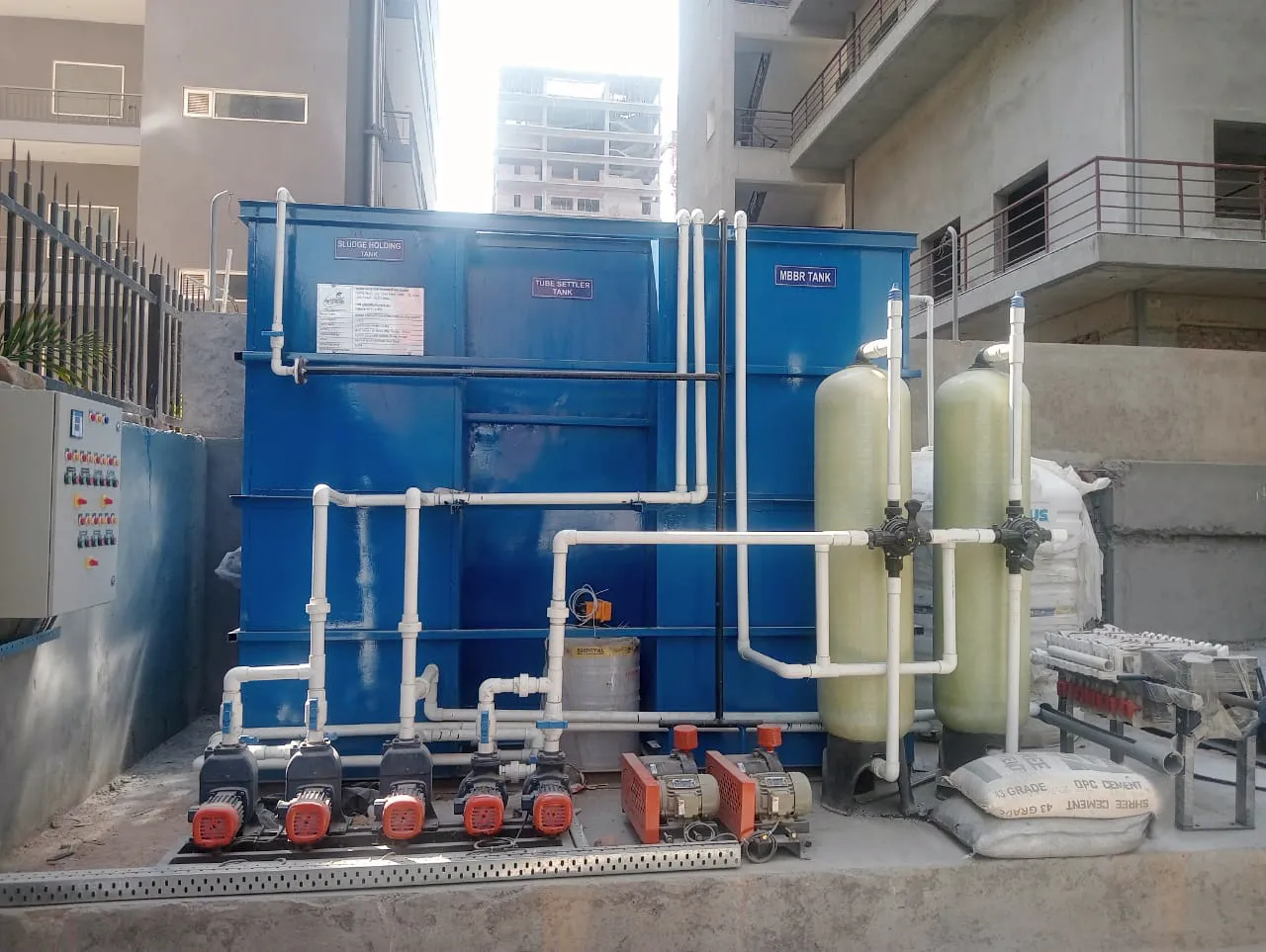
The growing concern is spreading all over India regarding climate change and greenhouse gas emissions. The rising rate of greenhouse gas emissions is becoming alarming for the nation. Right now, a sustainable solution- a commercial biogas plant is what can lower the GHG rate. A biogas plant can convert the organic waste (which is biodegradable) into renewable energy.
The best sustainable solution for organic waste management. This is the best solution for farms such as poultry farms, dairy farms, piggery farms, food processing units, and Gaushalas. These have a major problem with organic waste management. The waste is dumped in open landfills, which produce methane gas and other harmful gases; this pollutes the environment.
Understanding a Biogas Plant and How It Works
A Gobar Gas plant is a metallic instrument that converts biodegradable waste into clean energy, which is used for many purposes, such as cooking gas, generating electricity, organic fertiliser, and fuel. It has three variants, fulfilling different purposes:
- Domestic Biogas Plant: Installed only in rural residential sectors. Only produces cooking gas, cutting the LPG cylinder costs and protecting the environment.
- Commercial Biogas Plant: They are installed in large farms where the production of organic matter is done on a large scale; daily, the biogas production is huge as well. Commercial biogas plants are mainly used for power generation.
- Compressed Biogas (CBG): CBG plants are installed near petroleum gas stations since they produce the best substitute for CNG & petrol, the biofuel.
The organic waste that is used as feedstock includes poultry waste litter, cow dung, agricultural waste, napier grass, and piggery waste.
How does a biogas plant work?
The working of a gobar gas plant is much easier but lengthy; the steps are mentioned below:
- First, the organic waste is collected and dumped into the inlet tank, mixed with water in a 1:1 ratio.
- Then, it is transferred to the digester for the anaerobic digestion process (left for 45 days).
- Biogas (mainly methane and carbon dioxide) is produced. The methane gas and other gases are separated.
- The leftover biogas production of nutrient-rich bio-slurry as a by-product.
Why Are Greenhouse Gas Emissions a Major Environmental Concern?
Greenhouse gases emit major harmful gases, such as methane gas (mainly), carbon dioxide, & hydrogen. These have a major harmful impact on the environment, which are as follows:
- It affects global warming & climate changes
- The air quality deteriorates due to the increase in GHG emissions.
- Huge impact on natural resources & ecosystems.
- Spreads a foul smell over the place and neighbourhood
Role of Waste in Producing Greenhouse Gas Emissions
Dumping organic waste into open landfills can accumulate; it decomposes, emitting methane, carbon dioxide, and hydrogen gases in huge amounts, which nearly pollutes the whole area and nearby places as well. The uncontrollable release of methane into the atmosphere is dangerous and affects the health of the people nearby.
How does a biogas plant work for methane emissions reduction?
As already discussed above, a commercial biogas plant can work for methane emissions reduction through the anaerobic digestion process. The organic waste is utilised as the raw material for biogas production and the production of renewable energy. This is further used for many different purposes, such as cooking gas, power generation, and organic fertiliser.
Who Can Get a Commercial Biogas Plant Installed?
Rural farms with animal waste & organic waste management can get a commercial biogas plant installed to produce renewable energy:
- Dairy Farms: Cow Dung
- Poultry Farms: Poultry litter
- Agriculture: Crop residues
- Piggery farms: Pig Manure
- Rural Households: Organic food waste
Who Can Benefit from Biogas-Based Renewable Energy Solutions?
Rural agricultural farms & animal husbandry benefit through the installation of a commercial biogas plant. There are various long-term benefits that they enjoy after getting the Gobar Gas plant installed:
- Energy cost savings.
- Improved sustainability performance.
- Reduced greenhouse gas emissions.
- Improved environmental reputation.
Wrapping Up
Getting biogas plants installed removes the two major challenges simultaneously: organic waste management and greenhouse gas reduction. By capturing methane and generating renewable energy, biogas plants make biogas a practical climate-action solution. Commercial biogas plants can help businesses move toward sustainability while creating value from waste. Growing adoption of biogas technology supports a cleaner and more circular economy.
Frequently Asked Questions
How does a biogas plant reduce greenhouse gas emissions?
A biogas plant reduces greenhouse gas emissions by capturing methane produced during the anaerobic digestion of organic waste. This process prevents methane from escaping into the atmosphere, while simultaneously generating renewable energy, thus lowering overall greenhouse gas output.
Why is methane considered more harmful than carbon dioxide?
Methane is considered more harmful than carbon dioxide because it has a much higher global warming potential, being over 25 times more effective at trapping heat in the atmosphere over a 100-year period. Additionally, methane has a shorter atmospheric lifespan, leading to more immediate impacts on climate change.
What types of waste can be used for biogas production?
Biogas production can utilize various types of waste, including organic agricultural residues, food waste, animal manure, and sewage sludge. These materials undergo anaerobic digestion, where microorganisms break them down, producing biogas as a renewable energy source.
Domestic Biogas , Commercial Biogas , BioGas , Sewage Water Treatment Plant , Effluent Water Treatment Plant , Zero Liquid Discharge Water Treatment Plant