ETP for Industrial Water Recycling: Process, Benefits & Working
78 Views
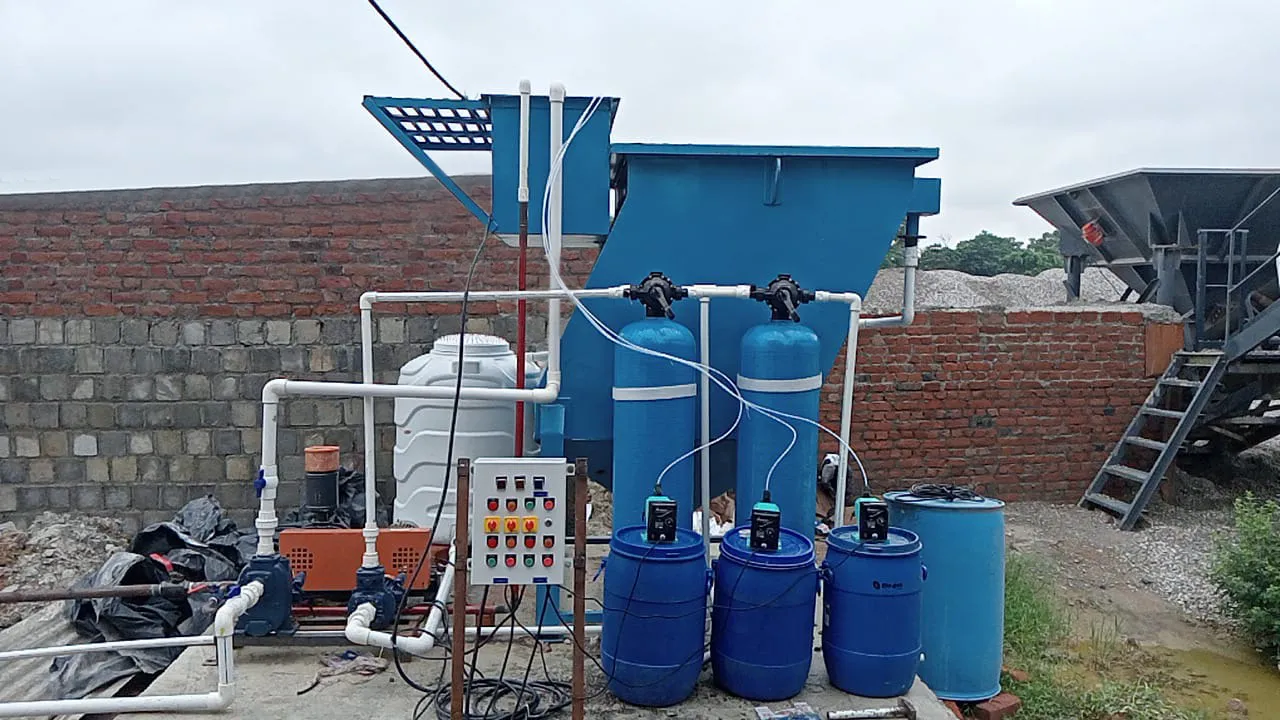
ETP for Industrial Water Recycling plays an important role in managing industrial wastewater efficiently while reducing pollution and costs. An industrial wastewater treatment plant is designed to treat and recycle used water from factories so it can be reused safely in different processes.
With increasing water scarcity and strict environmental regulations, industries are now focusing more on sustainable solutions. ETP systems not only help in treating harmful chemicals and contaminants but also support water conservation and compliance with environmental norms. In this blog, we will understand the process, working, and benefits of ETP for industrial water recycling in a simple way.
What is an Industrial Wastewater Treatment Plant?
The industrial wastewater treatment plants are specially designed for industries to filter wastewater that is produced by the industries. It is an wastewater recycling system. It also meets environmental standards and builds a green brand image.
ETP for Industrial Water recycling plant processes work by including biological, chemical, and filtration processes, it removes harmful chemical contaminants from water and make it safe for the environment.
Why Is Wastewater Treatment Important for the Environment?
Effluent Treatment Process for Industrial Water Recycling is critical for industries since it enables them to recycle water and use it again without causing any harm. The industrial wastewater treatment plant makes sure that the water is recycled using the appropriate effluent treatment process to get rid of any toxic substances.
Protection of Environment
The effluent treatment process assists in cleaning contaminated water before discharging it into rivers or oceans. Using the ETP for Industrial Water Recycling will help industries cut down on the pollution of the water bodies.
Compliance with Environmental Regulations
An industrial wastewater treatment plant ensures that the industries comply with the regulations set by the government to control water pollution. It will help the companies create a green image and attract more customers and investors.
Reduce Need for Fresh Water
Using water reuse in industries will assist in recycling the water so that it can be used again by the industries. The industries will not have to rely on fresh water, thus preserving natural resources.
Environmental Objectives
The implementation of ETP for Industrial Water Recycling will help the companies achieve their environmental objectives. An industrial wastewater treatment plant will help the industries achieve environmental objectives in an easy manner.
Step-by-Step Working Process of ETP for Industrial Water Recycling
Industrial Water Recycling ETP is highly significant because it enables industries to recycle water efficiently. An industrial wastewater treatment plant uses an appropriate effluent treatment process that makes sure that harmful chemicals in water are removed to make it reusable in industries. In this way, nature can be preserved, and resources can be conserved.
Protect Environment
An effluent treatment process ensures that wastewater is treated to ensure its purity before dumping it into water bodies such as rivers or seas. With ETP for Industrial Water Recycling, industries will be able to conserve the environment effectively.
Meet Environmental Norms
An industrial wastewater treatment plant ensures that industries comply with government regulations regarding water pollution control. Moreover, ETP for Industrial Water Recycling system will enable companies to have a green image, thereby attracting both investors and customers.
Reduce Fresh Water Demand
Water reuse in industries ensures that treated water is recycled and used again for operational activities. It means that there will be a reduced demand for fresh water, which will preserve natural resources.
Meet Environmental Goals
An efficient use of ETP for Industrial Water Recycling will enable companies to achieve their environmental and CSR goals easily. An industrial wastewater treatment plant will make sure that industries accomplish their environmental goals effectively.
Secondary Treatment
In this stage, bacteria and other microorganisms break down waste in the water. This process cleans the water by eliminating harmful organic materials from it. It is an essential process in the wastewater recycling process.
Tertiary Treatment
In this process, the water is further filtered to remove tiny particles and other impurities. The water becomes clean enough to be reused in various industries such as cooling, washing, and processing.
Sludge Handling
In the final step, the solid waste (sludge) is treated and dried. It is then disposed of safely as per rules. This ensures that the ETP for Industrial Water Recycling works in an eco-friendly way.
Wrapping Up
The adoption of ETP for industrial water recycling is an intelligent and effective way out for industries that wish to conserve water and minimize pollution levels. By incorporating the right wastewater recycling plant, industries will be able to treat contaminated water and recycle it for reuse.
Through gaining knowledge about the process, advantages, and significance of ETP systems, industries will be able to make sound judgments for their growth. The use of ETP for industrial water recycling is important not only for the environment but also for cost-saving purposes.
Frequently Asked Questions (FAQs)
1. What is ETP for Industrial Water Recycling?
ETP for Industrial Water Recycling is a system used to treat and clean wastewater from industries so it can be reused safely. It helps reduce pollution and supports sustainable operations.
2. What does an industrial wastewater treatment plant do?
An industrial wastewater treatment plant removes harmful chemicals, solids, and impurities from wastewater. ETP for Industrial Water Recycling system makes the water safe for discharge or reuse in different industrial processes.
3. How does a wastewater recycling system work?
A wastewater recycling system works in stages like filtration, biological treatment, and final cleaning. These steps help convert dirty water into usable water for industrial purposes.
4. What are the benefits of water reuse in industries?
Water reuse in industries helps save fresh water, reduce costs, and lower environmental impact. Wastewater recycling system also helps industries meet government regulations and sustainability goals.
Domestic Biogas , Commercial Biogas , BioGas , Sewage Water Treatment Plant , Effluent Water Treatment Plant , Zero Liquid Discharge Water Treatment Plant