What is the Difference Between STP and ETP in Wastewater Treatment?
107 Views
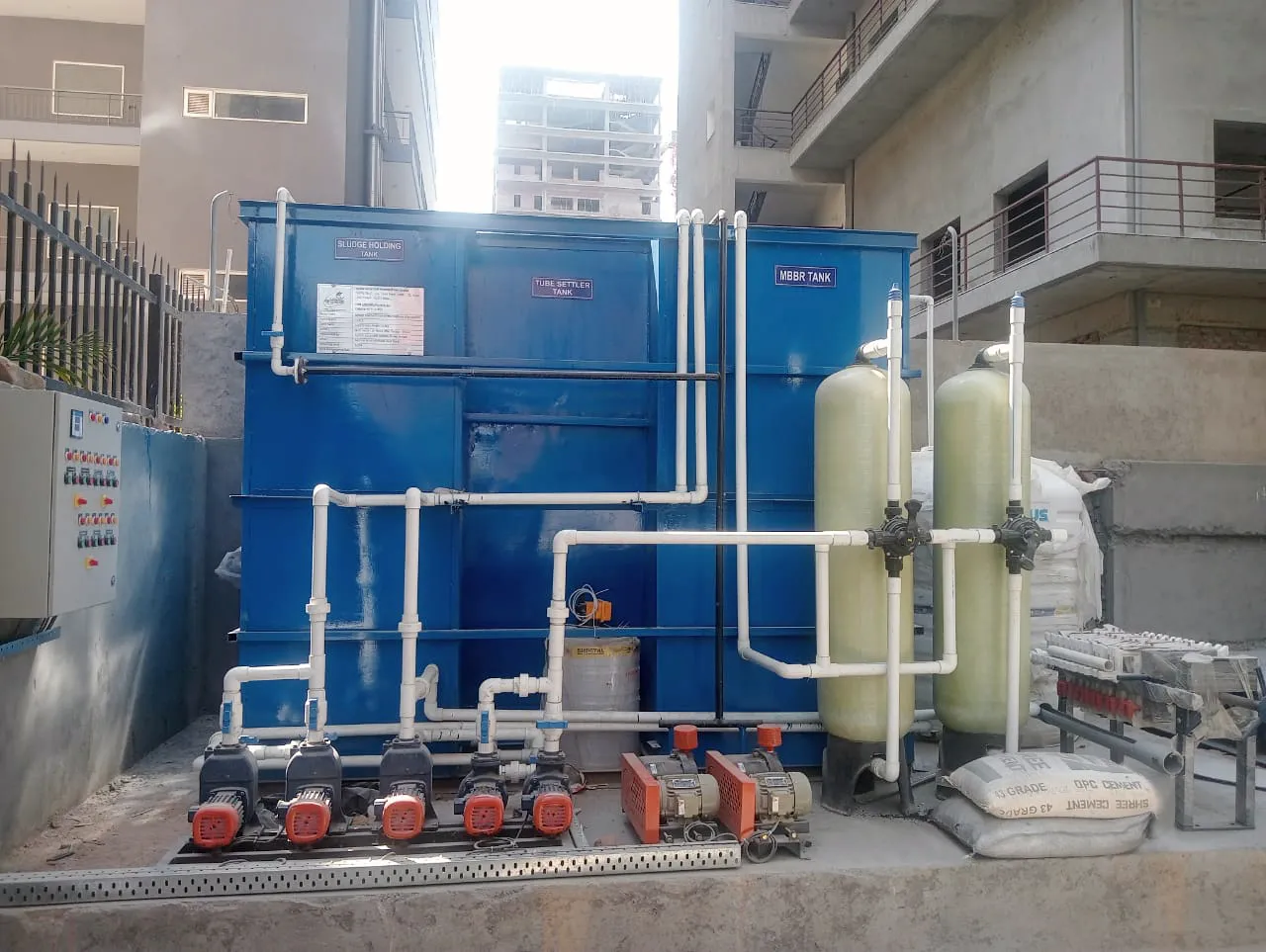
Pollution caused by water has emerged as a serious threat to industries as well as residential societies and municipalities. In order to treat wastewater, different wastewater treatment system plants are employed, which include sewage treatment plants as well as an effluent treatment plant. Both are parts of an advanced wastewater treatment system, but have different uses for different kinds of wastewater.
The sustainable solutions are in demand. To reduce the wastewater pollution of residential areas, commercial, and industrial sectors by installing STP and ETP. Now the major difference between STP and ETP is that the Sewage Treatment Plant purifies the residential sewage waste, and on the other hand, the Effluent Treatment Plant treats the industrial water waste, the chemicals that are emitted from the industry.
The distinction between STP and ETP is significant when considering their application in different scenarios.
What are STP and ETP?
A sewage treatment plant (STP) is an arrangement intended to purify domestic wastewater produced by houses, offices, hotels, educational institutions, and residential areas. This wastewater consists primarily of kitchen waste, water from bathrooms, laundry wastewater, and sewage.
In contrast, an effluent treatment plant (ETP) is a facility utilized for industrial wastewater treatment system. The industries involved include pharmaceuticals, textiles, chemical industries, food processing, and manufacturing plants. Such wastewater contains several chemicals, oils, toxic materials, and metals, which necessitate the removal of those pollutants through ETP systems.
Type of Wastewater Treated
One of the major distinguishing features between the STP and ETP is the type of wastewater treated in each facility.
STP – Domestic Wastewater Treatment: STP treats biodegradable and organic domestic waste. The wastewater can be easily purified because it is not too toxic.
ETP – Industrial Wastewater Treatment: ETP treats contaminated industrial effluents, including acids, dyes, oils, suspended particles, chemicals, and toxic substances.
Wastewater Treatment Process Difference
The major differences are as well:
Sewage Treatment Plant Process: The process of treatment also varies with the quality of the sewage/effluent.
Sewage Treatment Process: Sewage treatment plants use biological methods mostly for treating water. The steps involved are:
- Screening of solid waste
- Aeration/Biological treatment
- Sedimentation
- Filtration and disinfection
Effluent Treatment Process: Treatment of effluent in an ETP plant is more complicated than STPs since the water is contaminated by chemicals. Steps involved could be:
- Chemical treatment
- Neutralization
- Coagulation/Flocculation
- Biological treatment
- Filtration and sludge management
STP vs ETP: Which One is Better?
The answer depends on the application. For residential societies, hotels, hospitals, and offices, an STP is the ideal solution for domestic wastewater treatment system. However, industries must install an ETP to safely manage industrial discharge and meet environmental regulations.
In some industries, both system STP and ETP may be required: an STP for domestic sewage and an ETP for industrial effluents.
STP and ETP both have an extremely important part to play in environmental protection. This is because they help.
- Water pollution reduction
- Prevention of river and groundwater contamination
- Facilitation of the recycling of water
- Compliance with pollution control board standards
- Achieving sustainable wastewater management
Installation of the appropriate wastewater treatment system also leads to enhanced corporate environmental responsibility.
Importance of Wastewater Treatment Plants
Effluent treatment plants are essential when it comes to saving water resources and keeping the environment safe and healthy. Whether it is a sewage treatment plant or an Effluent Treatment Plant, it aids in managing the wastewater properly and helps achieve sustainable growth in industries and cities.
Wrapping Up
It is vital to know the difference between STP and ETP so that you can choose the appropriate solution for wastewater treatment system in your facility. Sewage Treatment Plants are used to treat domestic wastewater, whereas Effluent Treatment Plants help manage industrial wastewater containing more complex substances. Both STP and ETP contribute to environmental safety, compliance, and water conservation.
Frequently Asked Questions
What is the major difference between STP and ETP?
The major difference between STP and ETP is that while STP purifies domestic wastewater, ETP purifies industrial wastewater containing chemicals and toxic pollutants.
Can treated wastewater from STP be recycled?
Yes, the purified water coming out of the STP can be recycled for gardening, toilet flushing, cooling, etc.
Why should industries have ETP facilities?
ETP facilities should be set up by industries in order to ensure the removal of pollutants from the water used in industrial processes.
Which industries require ETP plants?
Textile, chemical, pharmaceutical, food processing, and manufacturing industries often require ETP facilities.
Are STP and ETP installations compulsory in India?
Yes, many residential colonies and factories in India have been made to compulsorily set up wastewater treatment plants.