Can Knee PRP Treatment Help You Stay Active as You Age?
By Harru 16
15 Views
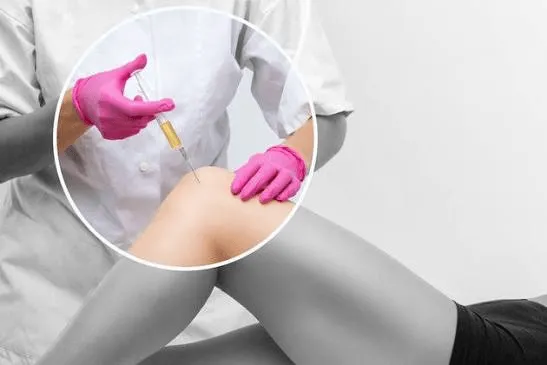
Staying active becomes increasingly important as we grow older. Regular movement supports muscle strength, balance, joint mobility, and overall well-being. However, knee discomfort can make activities such as walking, climbing stairs, gardening, and exercising more challenging.
Age-related changes in the knee, including osteoarthritis, can contribute to pain and stiffness. While these changes are common, persistent discomfort should not automatically be considered an unavoidable part of ageing.
Platelet-rich plasma (PRP) therapy is one treatment that some people explore when looking for ways to manage knee symptoms. Understanding its potential role, limitations, and alternatives can help you make an informed decision about maintaining an active lifestyle.
Why Does Knee Pain Become More Common With Age?
The knee is a weight-bearing joint that experiences repeated stress during daily activities. Over time, changes in cartilage, muscles, tendons, and other joint structures may contribute to discomfort.
Common factors associated with knee pain include:
-
Osteoarthritis and gradual changes in joint cartilage.
-
Reduced strength in the muscles supporting the knee.
-
Previous sports injuries or joint trauma.
-
Changes in activity levels or body weight.
-
Tendon-related problems and other musculoskeletal conditions.
Not every case of knee pain is caused by osteoarthritis. A proper assessment can help identify the underlying problem and determine which treatment options may be appropriate.
What Is PRP Therapy?
Platelet-rich plasma therapy uses a concentrated portion of platelets prepared from a small sample of the patient's blood. The sample is processed to separate the platelet-rich component, which is then injected into the targeted area.
Platelets contain growth factors and other biological substances involved in the body's natural healing processes. Researchers continue to investigate how PRP may influence symptoms in conditions such as knee osteoarthritis.
Some studies suggest that PRP may improve pain and physical function in selected patients. However, results are inconsistent, and the treatment does not work equally well for everyone.
Can PRP Help Older Adults Remain Active?
For some people, reducing knee discomfort may make daily movement easier. If PRP leads to meaningful symptom improvement, it could potentially support participation in activities such as walking or prescribed exercise.
However, PRP should not be viewed as a direct way to reverse ageing or restore severely damaged cartilage. It also cannot guarantee that a person will return to every previous activity.
The decision to consider PRP injections for knee pain should depend on the diagnosis, symptom severity, medical history, previous treatments, and personal goals.
Who Might Consider PRP Treatment?
PRP may be discussed with selected patients who have persistent symptoms from knee osteoarthritis, particularly when initial approaches have not provided sufficient relief.
A clinician may consider several factors before recommending it:
Severity of symptoms: How much pain affects walking, sleep, exercise, and routine tasks.
Joint condition: Whether the findings suggest mild, moderate, or advanced osteoarthritis, alongside the clinical examination.
Overall health: Existing medical conditions, medications, and other factors that may influence the procedure.
Treatment goals: Whether the main aim is to improve everyday mobility, make exercise more comfortable, or explore alternatives to other treatments.
Age alone does not determine whether someone is suitable for PRP. A personalised medical assessment is more useful than relying on age as the only deciding factor.
Why Exercise and Muscle Strength Still Matter
Regardless of whether PRP is considered, appropriate movement remains an important part of knee care.
Strengthening the quadriceps, hamstrings, and muscles around the hips can help support knee function. Low-impact activities such as walking on comfortable surfaces, stationary cycling, or swimming may also be suitable for some people.
A physiotherapist can help adapt exercises to your symptoms and abilities. Starting gradually and increasing activity at a comfortable pace may reduce unnecessary strain.
PRP should not replace a rehabilitation programme when exercise and physiotherapy are recommended.
What Should You Know Before Treatment?
If you are considering a PRP knee injection in Bangalore, discuss the procedure with a qualified orthopaedic professional. Ask how PRP is prepared, what benefits are realistic for your condition, how many injections may be recommended, and what risks or costs are involved.
You should also understand that temporary soreness, swelling, or stiffness may occur after an injection. Follow the aftercare instructions provided and seek medical advice if symptoms become severe or worsen unexpectedly.
If you are exploring Knee PRP treatment in Indiranagar, compare treatment plans based on clinical suitability, professional qualifications, transparent communication, and follow-up care rather than promotional claims alone.
Other Ways to Support Healthy Ageing
PRP is only one possible option within a broader approach to knee health. Depending on your condition, your doctor may recommend:
-
Regular, appropriate strengthening and mobility exercises.
-
Weight management when relevant.
-
Activity modification to reduce aggravating movements.
-
Medication or other treatments when clinically appropriate.
-
Further assessment or surgery for severe joint damage when necessary.
The right approach may combine several strategies rather than rely on a single procedure.
Final Thoughts
Knee pain does not have to mean giving up an active lifestyle. Identifying the cause of discomfort and choosing appropriate treatment can help many people maintain movement and independence as they age.
PRP may offer symptom relief for some patients with knee osteoarthritis, but the evidence varies and improvement is not guaranteed. It does not reverse advanced joint damage or replace the benefits of appropriate exercise and rehabilitation.
A qualified orthopaedic assessment can help you understand whether PRP is suitable for your situation and identify a realistic plan for supporting long-term knee function.