Kitchen Island Lighting: A Practical Guide to Getting It Right
By john mark
79 Views
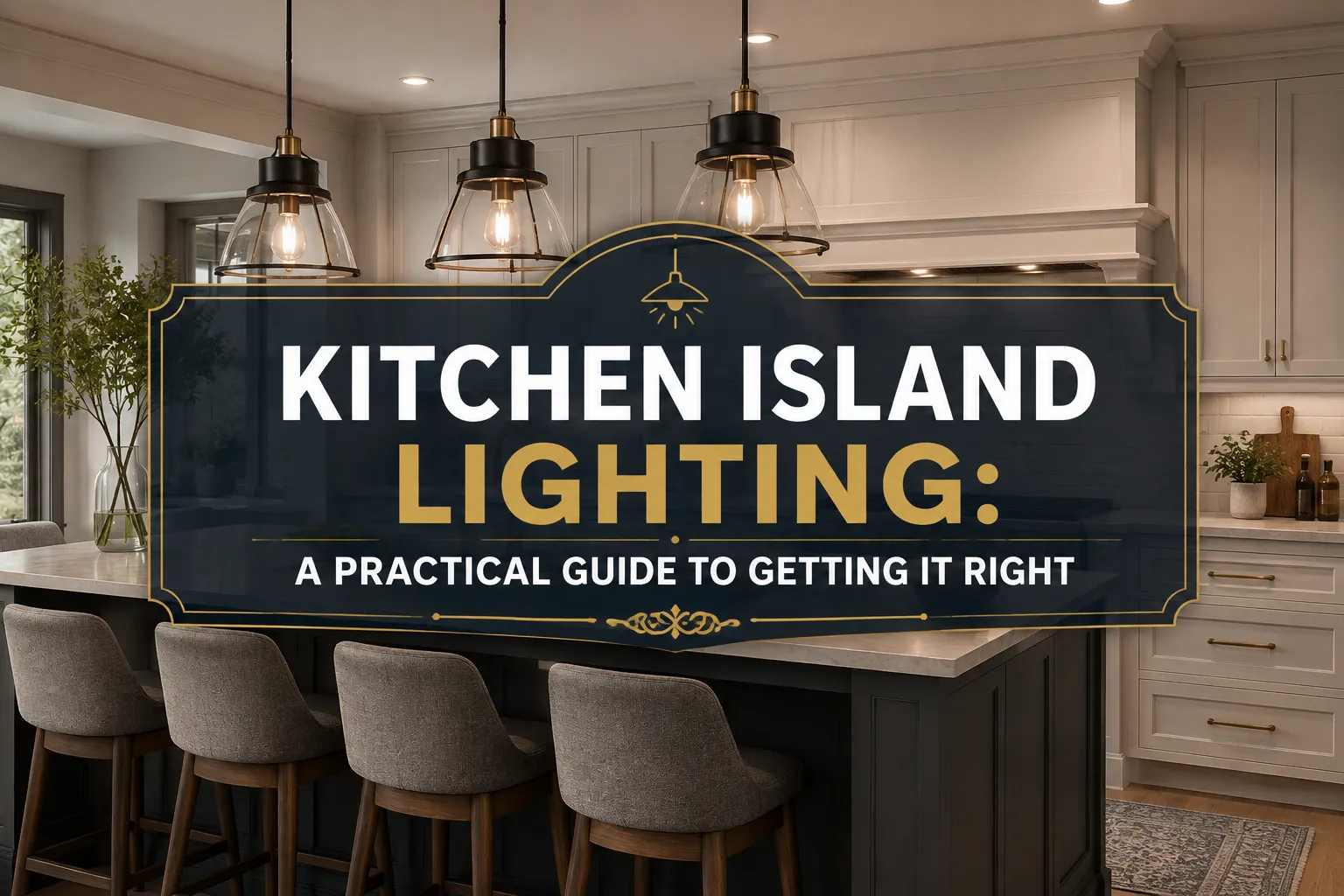
Few design decisions get argued over as much as kitchen island lighting. Too small, and the fixtures disappear into a big room. Too large, and they overwhelm the counter below. Hang them too high, and the room feels disconnected. Hang them too low, and someone's forehead becomes part of the design plan. Getting it right takes more thought than most people expect, but the payoff is a kitchen that feels intentional rather than accidental.
Why the Island Deserves Its Own Lighting Plan
A kitchen island isn't just extra counter space. It's usually the busiest spot in the house. Meals get prepped there, homework gets done there, and it's often where guests end up standing during a party no matter how big the rest of the kitchen is. That kind of multi-purpose use means the lighting above it has to do more than just illuminate a countertop.
Task Lighting Versus Ambient Lighting
It helps to separate the two jobs light does in a kitchen. Ambient lighting fills the room with general brightness. Task lighting focuses on a specific work surface. Pendant fixtures above an island are almost always doing task-lighting duty, which means brightness and placement matter more than they would for a decorative fixture elsewhere in the house.
Setting the Mood, Not Just the Room
Beyond function, island lighting sets the tone for the whole kitchen. A single oversized statement fixture reads dramatic and modern. A row of smaller pendants feels more traditional and rhythmic. Neither is right or wrong, but the choice says a lot about the overall style direction of the space.
Choosing the Right Fixture Style
This is usually where people get stuck, mostly because there are so many directions to go.
Matching Fixtures to Kitchen Style
A farmhouse kitchen with shaker cabinets and open shelving tends to call for simpler, more rustic silhouettes, glass globes, black metal cages, or woven shades. A sleek, contemporary kitchen with flat-panel cabinetry usually looks better with clean geometric shapes, brushed metals, or glass with minimal ornamentation. Traditional kitchens with more millwork and detail can support fixtures with more visual weight, like lantern-style pendants or fixtures with brass and glass detailing.
Material and Finish Considerations
Finish matters just as much as shape. Matte black reads modern and a little industrial. Brass and warm gold finishes lean traditional or transitional and tend to photograph beautifully against white or navy cabinetry. Brushed nickel and chrome sit somewhere in the middle, which is part of why they remain such popular safe choices.
If you're at the stage of actually browsing fixtures rather than just planning the look, this curated selection of pendant lights for kitchen islands is a useful place to compare finishes and silhouettes side by side before committing to a direction.
Getting the Sizing and Spacing Right
This is the part that trips up even people who have a great eye for style.
How Many Pendants Do You Need
A general starting point is one pendant for every 24 to 30 inches of island length, though this shifts depending on fixture size. A long island might look better with three smaller pendants evenly spaced rather than two larger ones with an awkward gap in the middle. Odd numbers, particularly three, tend to look more balanced than two.
Fixture Diameter Relative to the Island
As a rough rule, the combined width of your pendants plus the spacing between them should cover roughly one-third to one-half of the island's length, leaving breathing room on either end rather than crowding the fixtures toward the center or one side.
Hanging Height
The bottom of the pendant should typically sit 28 to 34 inches above the counter surface, assuming standard eight or nine-foot ceilings. For taller ceilings, that number can move up slightly, but the goal stays the same: light hits the counter without fixtures cutting across sightlines when people are standing or seated at the island.
Common Mistakes Worth Avoiding
Choosing Fixtures Before the Layout Is Final
It's tempting to fall in love with a fixture first and figure out placement later, but pendant spacing depends entirely on where the island's electrical rough-in and centerline actually land. Nailing down the layout before shopping saves a lot of frustration.
Ignoring Bulb Temperature
A gorgeous fixture can still make food look unappetizing if the bulb temperature is wrong. Warm white in the 2700K to 3000K range is generally the safest choice for kitchens, keeping skin tones and food looking natural rather than clinical.
Forgetting About Dimmers
Kitchen islands do double duty as prep stations and casual gathering spots. A dimmer switch lets the same fixtures shift from bright task lighting during cooking to a softer glow for entertaining, without needing two separate lighting plans.
Bringing It All Together
Good island lighting is really a balance of three things: function, proportion, and style. Get the brightness and placement right, and the space works the way a kitchen should. Get the scale and finish right, and it also becomes one of the most visually memorable parts of the room. It's worth taking the time to plan it properly, since this is one fixture choice that's on display, and in use, every single day.
Related Reading
Expert Insights: Navigating the Complex World of Home Improvement
Welcome to our in-depth exploration of Home Improvement. In an era defined by ra...
Why Home Improvement is Transforming the Global Industry Landscape
Welcome to our in-depth exploration of Home Improvement. In an era defined by ra...