Key Features to Look for in a Top Load Washing Machine
111 Views
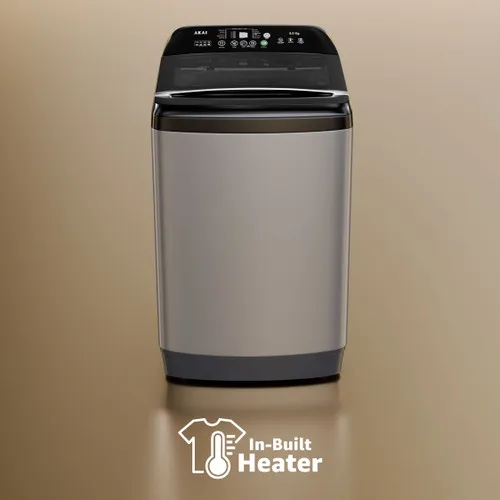
Buying a washing machine is a long-term investment for every household. With numerous models available in the market, selecting the right appliance can feel overwhelming. A Top Load Washing Machine remains one of the most popular choices because of its convenience, ease of use, and efficient cleaning performance.
Unlike front-load models, top-load machines allow users to load and unload clothes without bending down, making them particularly suitable for families, elderly users, and individuals seeking a user-friendly washing experience.
However, not all washing machines are the same. Before making a purchase, it is important to evaluate several key features that can directly impact washing efficiency, energy consumption, durability, and overall convenience.
Here are the essential features to look for before buying a Top Load Washing Machine.
1. Washing Capacity
One of the first factors to consider is the machine's capacity. Choosing the right size depends on the number of people in your household and your laundry habits.
General recommendations include:
- 6 to 7 kg: Suitable for 1 to 3 members
- 7 to 8 kg: Ideal for 3 to 5 members
- 8 kg and above: Best for larger families
Buying a machine with insufficient capacity can lead to frequent wash cycles, while an oversized model may consume unnecessary water and electricity.
Select a Top Load Washing Machine that matches your family's regular laundry requirements.
2. Fully Automatic vs Semi-Automatic
Top-load washing machines are available in two primary categories.
Fully Automatic
- Single tub operation
- Minimal manual intervention
- Advanced wash programs
- Better convenience
Semi-Automatic
- Two separate tubs for washing and drying
- Lower purchase cost
- Requires manual transfer of clothes
Most modern households prefer fully automatic models because they save time and simplify the washing process.
3. Washing Programs and Modes
Different fabrics require different cleaning methods.
A quality Top Load Washing Machine should offer multiple wash programs such as:
- Normal wash
- Quick wash
- Delicate wash
- Heavy wash
- Eco wash
- Bedsheet mode
- Baby care mode
Having multiple options helps protect fabric quality while ensuring effective cleaning.
4. Energy Efficiency
Energy-efficient appliances can significantly reduce electricity bills over time.
Look for machines with high energy ratings and smart technologies that optimize water and electricity consumption.
Advanced models adjust water levels automatically according to the laundry load, preventing wastage and improving efficiency.
An energy-efficient Top Load Washing Machine can provide long-term savings while reducing environmental impact.
5. Inverter Technology
Inverter technology has become an important feature in modern appliances.
Traditional motors operate at a fixed speed, while inverter motors adjust their speed according to the load size.
Benefits include:
- Lower electricity consumption
- Reduced noise levels
- Longer motor lifespan
- Better washing performance
Machines equipped with inverter technology are often more durable and efficient.
6. Spin Speed
Spin speed determines how effectively excess water is removed from clothes.
It is measured in Revolutions Per Minute (RPM).
Common ranges include:
- 700 to 800 RPM for everyday use
- 1000 RPM and above for faster drying
Higher RPM means shorter drying times, which is especially beneficial during monsoon seasons or in humid climates.
Choose a machine that balances effective drying without being too harsh on delicate fabrics.
7. Smart Features
Modern washing machines are becoming increasingly intelligent.
Some advanced features include:
- Wi-Fi connectivity
- Mobile app control
- Voice assistant compatibility
- Smart diagnostics
- Auto restart
These features allow users to monitor and control their appliance remotely.
A smart Top Load Washing Machine can provide greater convenience and help simplify daily chores.
8. Drum Material and Build Quality
The drum is one of the most important components of a washing machine.
Common materials include:
Stainless Steel Drum
- Durable
- Rust resistant
- Long-lasting
- Better stain resistance
Plastic Drum
- Lightweight
- Cost-effective
- Less durable than steel
Stainless steel drums are generally preferred because they offer superior durability and longevity.
9. Water Consumption
Water efficiency is another factor that buyers often overlook.
Some advanced models feature load sensing technology, which automatically adjusts water usage according to the amount of laundry.
This feature can help reduce water consumption without compromising cleaning performance.
A water-efficient Top Load Washing Machine is especially useful in regions where water conservation is important.
10. Noise and Vibration Control
Washing machines can generate significant noise, especially during spin cycles.
Look for technologies that minimize vibrations and operate quietly.
Features that help include:
- Inverter motors
- Anti-vibration systems
- Balanced drum design
Low-noise machines are particularly beneficial for apartments and households with young children.
11. Child Lock and Safety Features
Safety should always be a priority, especially in homes with children.
Useful safety features include:
- Child lock
- Lid lock
- Overflow protection
- Voltage protection
These functions help prevent accidental interruptions and protect both users and the appliance.
12. Ease of Maintenance
Regular maintenance extends the lifespan of any appliance.
Choose a model that offers:
- Self-cleaning functions
- Easy-to-remove lint filters
- Simple user interface
- Accessible service support
Machines that are easy to maintain require less effort and deliver consistent performance over time.
13. Brand Reputation and Warranty
A trusted brand often provides better reliability and after-sales service.
Before purchasing, check:
- Standard warranty period
- Motor warranty duration
- Availability of service centers
- Customer support quality
A longer warranty period can provide peace of mind and protect your investment.
14. Budget and Long-Term Value
Price should not be the only deciding factor.
While cheaper machines may seem attractive initially, investing in advanced features can provide better performance and durability over several years.
Compare features, efficiency, warranty, and customer reviews before making your final decision.
The best Top Load Washing Machine is one that balances affordability, performance, and long-term reliability.
Final Thoughts
A Top Load Washing Machine is an excellent choice for households looking for convenience, efficiency, and easy operation. However, selecting the right model requires careful consideration of multiple factors, including capacity, energy efficiency, washing programs, smart features, and build quality.
By evaluating these important features before buying, you can make a well-informed decision and enjoy hassle-free laundry management for years to come.
Frequently Asked Questions (FAQs)
1. Is a Top Load Washing Machine better than a front-load washing machine?
A Top Load Washing Machine is generally easier to use, more convenient for loading clothes, and often more affordable than front-load models.
2. What capacity Top Load Washing Machine is suitable for a family of four?
A 7 kg to 8 kg capacity machine is typically ideal for a family of four.
3. Does inverter technology save electricity in a washing machine?
Yes, inverter technology adjusts motor speed according to the load, reducing energy consumption and improving efficiency.
4. How long does a Top Load Washing Machine usually last?
With proper maintenance, a quality machine can last between 8 to 12 years.
5. Which drum material is best for a Top Load Washing Machine?
Stainless steel drums are generally considered the best option because they are durable, rust-resistant, and long-lasting.
Related Reading
Expert Insights: Navigating the Complex World of Home Improvement
Welcome to our in-depth exploration of Home Improvement. In an era defined by ra...
Why Home Improvement is Transforming the Global Industry Landscape
Welcome to our in-depth exploration of Home Improvement. In an era defined by ra...