Key Factors To Consider Before Fire Sprinkler Installation In Bay Area
33 Views
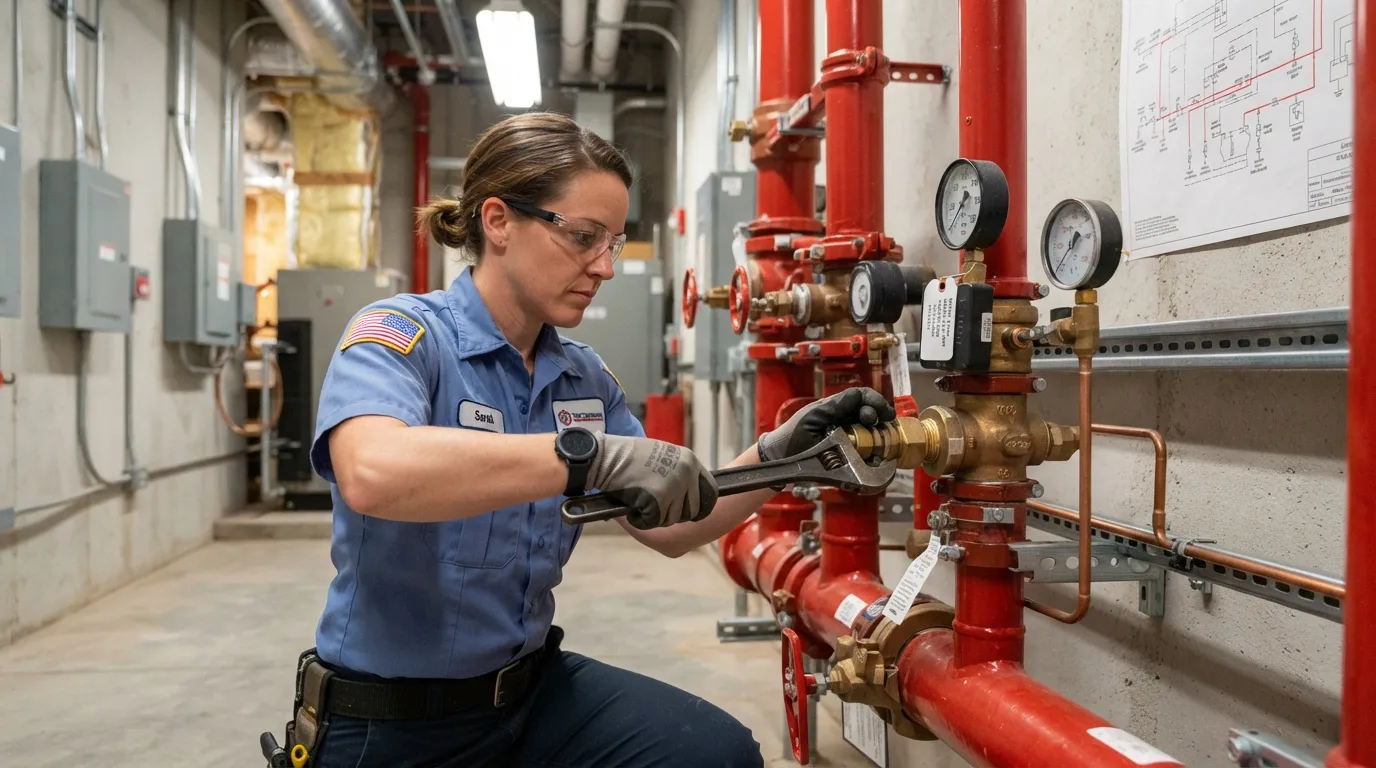
The San Francisco Bay Area is one of the most complex construction markets in California. The regulatory environment is layered, the jurisdictions are numerous, the permit timelines can be lengthy, and the cost of getting things wrong is high. When it comes to fire sprinkler installation projects, all of those complexities apply. Whether you are developing a commercial property in the South Bay, completing a residential new build in the East Bay, or managing a tenant improvement in San Francisco, the factors that determine how your fire sprinkler project goes from concept to completion are worth understanding in detail before the first pipe is ordered.
This guide covers the most important considerations for any fire sprinkler installation in a Bay Area project, from code requirements and water supply factors to contractor selection and post-installation compliance. Understanding these factors early helps you avoid the delays, redesigns, and cost surprises that catch unprepared property owners off guard.
Factor 1: Which NFPA Standard Applies to Your Building
The first thing any fire sprinkler installation project must establish is which NFPA standard governs the system design. For single-family homes and duplexes, it is NFPA 13D. For multifamily residential buildings up to four stories, it is NFPA 13R. For commercial buildings, office developments, mixed-use structures above four stories, and any high-hazard occupancy, it is NFPA 13.
NFPA 13 is the most demanding of the three. It requires coverage in more areas of the building, uses higher water density requirements for higher-hazard occupancies, and involves more complex hydraulic design. Incorrectly applying a less demanding standard to a building that requires NFPA 13 is a significant code violation that will not survive plan review and will require a complete redesign.
Factor 2: Your Water Supply
Water supply is one of the most variable and consequential factors in fire sprinkler installation in Bay Area project planning. The system must be hydraulically designed to confirm that the available water pressure and flow at the property can meet the system’s required output. If the municipal supply is insufficient, a fire pump, a water storage tank, or both may be required to make up the shortfall.
Adding a fire pump or storage tank to a project adds meaningful cost, engineering complexity, and additional code requirements under NFPA 20 for pump rooms. Water supply adequacy should be assessed early in the design process. A flow test at the nearest hydrant gives the designer the data needed to determine whether the supply meets the system’s requirements or whether supplemental equipment is necessary.
Factor 3: Local Jurisdiction Requirements
The Bay Area is not one jurisdiction. It is dozens, each with its own fire code amendments, plan review processes, permit timelines, and AHJ-specific requirements. San Francisco, Oakland, San Jose, Fremont, Dublin, Alameda County, Contra Costa County, and other jurisdictions all apply the California Building Code and NFPA standards with varying local amendments.
A fire sprinkler installation contractor who regularly works in the region will know which jurisdictions have the most detailed plan review processes, which have the shortest permit timelines, and which AHJs prioritize specific aspects of system compliance during inspections. This local knowledge can save weeks on your project timeline and prevent surprises during final inspection.
Factor 4: New Construction vs. Retrofit
Whether your fire sprinkler installation project is new construction or a retrofit into an existing building significantly affects the scope, complexity, and cost of the installation. New construction allows the fire sprinkler system to be coordinated with framing, plumbing, and mechanical trades during the rough-in phase, when pipe can run freely through open wall and ceiling cavities.
Retrofitting into a finished building requires routing new piping through occupied, finished spaces. This means cutting into walls and ceilings, working around existing mechanical and electrical systems, and making good on all penetrations afterward. Labor costs are significantly higher, and the project requires more careful scheduling to minimize disruption to building occupants.
Trusted companies like Freedom Fire Protection manage both new construction and retrofit fire sprinkler installation projects, coordinating all phases from hydraulic design and permitting through installation and final AHJ inspection.
Factor 5: Choosing the Right Contractor
All fire sprinkler installation work in California must be performed by a licensed C-16 Fire Protection Contractor. Beyond the license, the right contractor for a Bay Area project brings demonstrated experience with local jurisdictions, existing relationships with local fire marshals, and a track record of projects similar in scope to yours.
When evaluating contractors for fire sprinkler installation projects, ask for references from completed Bay Area projects, confirm their C-16 license status with the CSLB, verify their familiarity with your specific jurisdiction’s requirements, and confirm that they handle design, permitting, installation, and final inspection coordination as a complete service.
Post-Installation: Your Ongoing Obligations
A completed fire sprinkler installation project in the Bay Area does not end your obligations. NFPA 25 requires ongoing inspection, testing, and maintenance on a schedule that runs from quarterly alarm component checks through annual system inspections and five-year internal pipe examinations. Staying current on these requirements is a condition of maintaining your certificate of occupancy and your insurance coverage.
Related Reading
Top 10 Hidden Secrets About Business & Finance You Need to Know
Welcome to our in-depth exploration of Business & Finance. In an era defined...
Why Business & Finance is Transforming the Global Industry Landscape
Welcome to our in-depth exploration of Business & Finance. In an era defined...