Ketamine Therapy Explained: A New Path for Depression and Anxiety
By jamesthomas2
97 Views
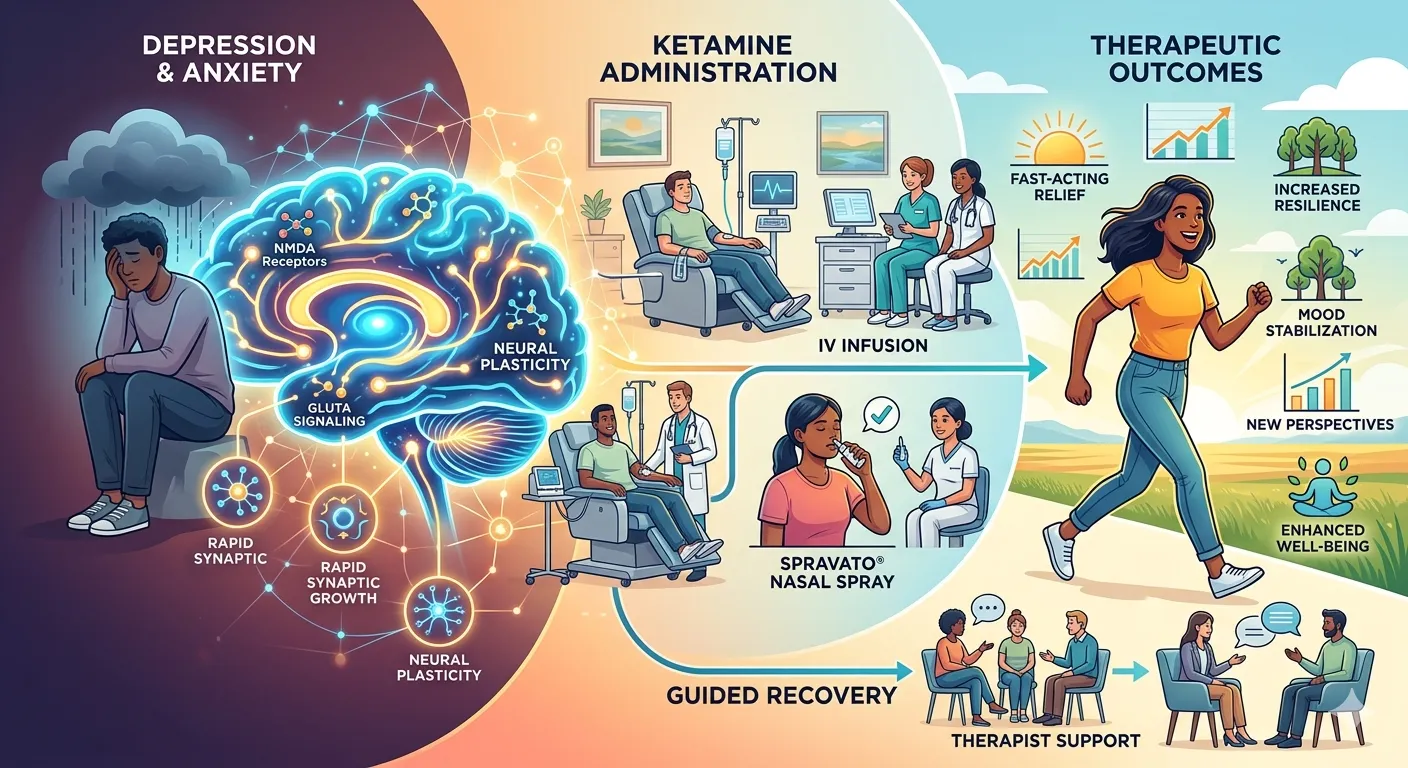
Ketamine Therapy has become one of the most talked-about mental health treatments for people who feel stuck with depression or anxiety that has not improved through standard care. For years, treatment often meant trying antidepressants, adjusting doses, waiting several weeks, and hoping the next option would finally work. That path still helps many people, but not everyone responds well. For patients who keep cycling through medications with limited relief, ketamine has opened a new and serious clinical discussion.
Why People Are Looking Beyond Traditional Treatments
Depression and anxiety are not small problems. They are among the most common mental health conditions affecting adults today. The National Institute of Mental Health reports that about 21 million U.S. adults had at least one major depressive episode in 2021. Anxiety is also widespread, with an estimated 19.1% of U.S. adults experiencing an anxiety disorder in the past year.
These numbers matter because mental health struggles rarely stay contained in one part of life. Depression can affect sleep, appetite, energy, concentration, work performance, and relationships. Anxiety can make ordinary tasks feel like high-stakes events. A meeting, phone call, social gathering, or even a quiet evening can become mentally exhausting.
Traditional treatments such as antidepressant medication and talk therapy remain important. They are still the foundation of mental health care for many people. But they do not work the same way for everyone. Some patients feel partial improvement. Others deal with side effects that make treatment difficult. Some see benefits at first, then relapse.
This is where Ketamine Therapy enters the conversation. It is not meant to erase the value of traditional care. Instead, it offers another clinical route for people who may need a different approach.
How Ketamine Therapy Works
Ketamine was originally developed and used as an anesthetic. In mental health settings, it is usually used at lower, carefully controlled doses. Researchers are interested in ketamine because it appears to work differently from many conventional antidepressants.
Most common antidepressants affect serotonin, norepinephrine, or dopamine. Ketamine interacts with the brain’s glutamate system, especially through NMDA receptor activity. Glutamate is involved in learning, memory, mood regulation, and neural communication. This different mechanism may help explain why some people experience faster changes in depressive symptoms compared with standard antidepressants.
There are different models of care. Some clinics provide intravenous ketamine infusions. Others may use ketamine-assisted psychotherapy, where the treatment is paired with therapeutic support. There is also esketamine, sold under the brand name Spravato, which is related to ketamine but regulated separately as an FDA-approved nasal spray for certain adults with treatment-resistant depression.
This distinction is important. Ketamine itself is not FDA-approved for depression or anxiety, although it may be used off-label by qualified clinicians. Off-label use is common in medicine, but it should not be treated casually. Proper screening, dosing, monitoring, and follow-up are essential.
During a typical session, patients are monitored in a clinical setting. They may experience changes in perception, relaxation, emotional release, dizziness, nausea, or a floating sensation. Some people describe the experience as unusual but manageable. Others may find it intense. That is exactly why medical oversight matters.
A responsible provider will review medical history, psychiatric history, medications, blood pressure, substance use risk, and treatment goals before recommending care. Clinics such as NeuroGlow and other mental health providers may also combine treatment with evaluation, therapy planning, and ongoing symptom tracking.
What Patients Should Know Before Considering It
The biggest appeal of ketamine is speed. Some studies have found that ketamine may reduce depressive symptoms within hours or days for certain patients. That is very different from traditional antidepressants, which often take several weeks to show full effect.
Still, the hype needs discipline. Ketamine Therapy is not a magic switch. It does not guarantee permanent recovery. It is not suitable for everyone. People with certain medical risks, uncontrolled high blood pressure, active substance misuse, psychosis history, or unstable psychiatric symptoms may need other forms of care first.
There is also the question of durability. Some patients feel short-term relief but need maintenance sessions or continued therapy to hold progress. Others may not respond enough to justify ongoing treatment. Good care does not just ask, “Did you feel different after the session?” It asks whether daily functioning, mood stability, sleep, relationships, and coping ability are improving over time.
Cost is another practical issue. Many ketamine treatments are not fully covered by insurance because ketamine for depression and anxiety is often off-label. Patients should ask about pricing, treatment schedule, refund policies, safety protocols, emergency procedures, and whether care includes psychiatric support or therapy.
The safest mindset is balanced optimism. Ketamine may be a powerful tool for the right person, but it should sit inside a larger treatment plan. That plan may include therapy, medication management, lifestyle changes, sleep support, and regular clinical review.
Conclusion
Depression and anxiety can make people feel trapped, especially when the usual treatments do not bring enough relief. Ketamine Therapy offers a different path because it works through a separate brain system and may act faster than traditional antidepressants for some patients.
But the treatment deserves respect. It should be medically supervised, carefully screened, and connected to a broader mental health strategy. The goal is not just to feel something during a session. The goal is better function, safer care, and more durable progress.
For anyone considering this option, the best first step is to speak with a qualified mental health professional. Ask clear questions. Review the risks. Understand the difference between ketamine and FDA-approved esketamine. Most importantly, treat mental health care as a long-term investment, not a quick experiment.