Keep Your Car Running Smoothly with Expert Automatic Transmission Replacement
By S&L Transmission and Automotive
41 Views
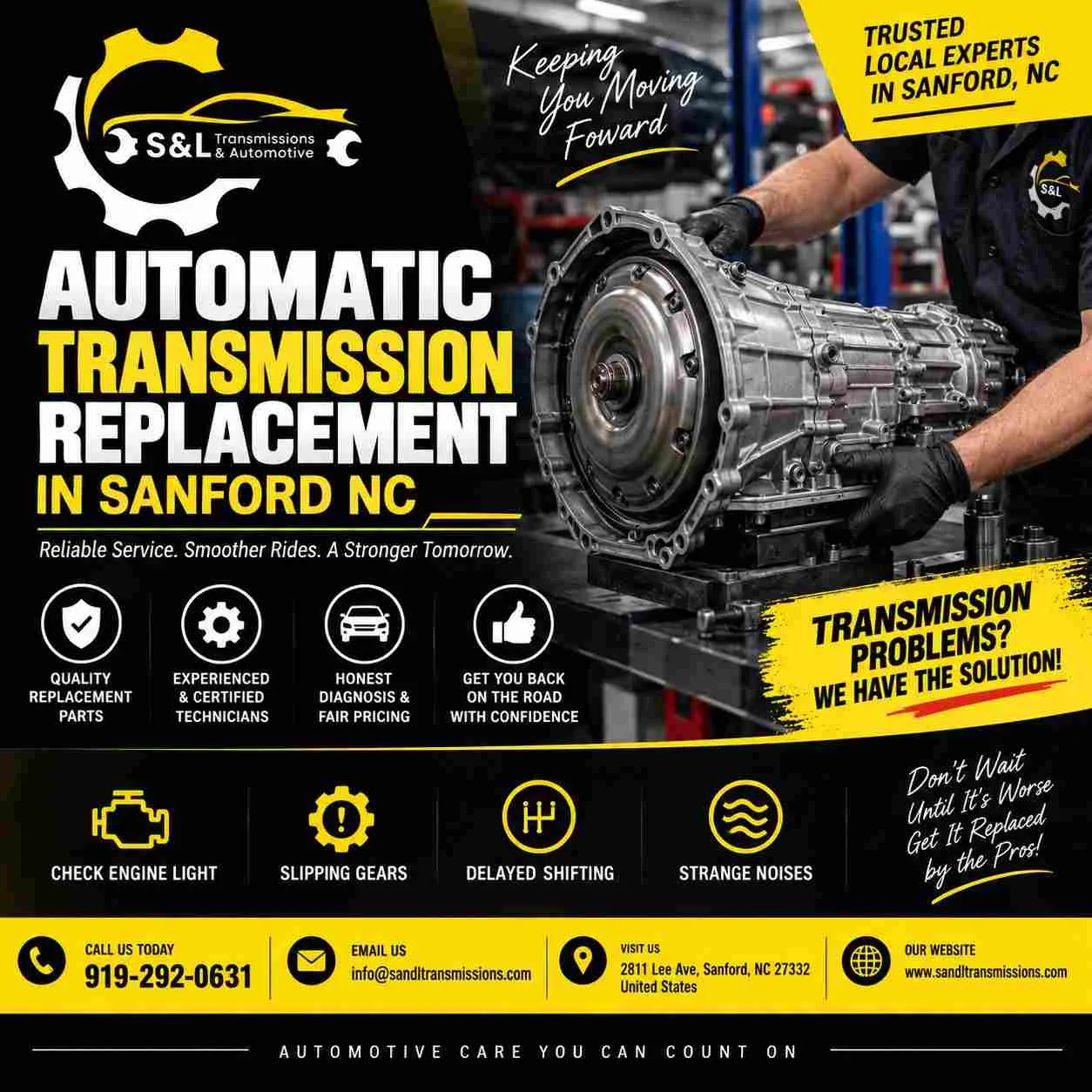
Your car's automatic transmission plays a major role in delivering a smooth and comfortable driving experience. It allows your vehicle to change gears automatically, helping the engine operate efficiently at different speeds. However, like any other mechanical component, a transmission can wear out over time. When problems become severe, an automatic transmission replacement may be the most reliable solution to restore your vehicle's performance.
Ignoring transmission problems can lead to expensive repairs, unexpected breakdowns, and unsafe driving conditions. Understanding the warning signs, replacement process, and benefits of professional services can help you make an informed decision and keep your vehicle running smoothly.
Understanding How an Automatic Transmission Works
An automatic transmission transfers engine power to the wheels while selecting the appropriate gear without requiring the driver to shift manually. It uses several components, including gears, clutches, hydraulic systems, sensors, and transmission fluid, to deliver consistent performance.
Unlike manual transmissions, automatic systems manage gear changes based on vehicle speed, engine load, and driving conditions. This makes driving easier, particularly in heavy traffic and urban environments.
Because these systems contain numerous interconnected parts, even a minor issue can affect overall performance. Regular maintenance and timely inspections are essential to prevent small problems from developing into major mechanical failures.
Common Warning Signs That Your Transmission Needs Attention
Recognizing transmission trouble early can help you avoid additional damage. Here are some common symptoms that indicate your vehicle may need professional attention.
1. Delayed Gear Shifting
If your vehicle takes longer than usual to shift between gears, it could indicate worn internal components, low transmission fluid, or hydraulic problems. Delayed shifting should never be ignored.
2. Slipping Gears
Transmission slipping occurs when the engine revs increase but the vehicle does not accelerate as expected. Your car may also unexpectedly change gears while driving. This problem can affect vehicle control and requires immediate inspection.
3. Unusual Noises
Grinding, whining, humming, or clunking sounds may indicate damaged gears, worn bearings, or other internal transmission problems. Although unusual noises do not always mean replacement is necessary, they should be checked by an experienced technician.
4. Transmission Fluid Leaks
Transmission fluid helps lubricate internal components, regulate temperature, and support hydraulic pressure. Red or brown fluid underneath your vehicle may indicate a leak. Driving with insufficient fluid can cause serious damage.
5. Burning Smell
An overheating transmission can produce a noticeable burning odor. This may happen because of low fluid levels, contaminated fluid, or excessive friction between internal components.
6. Warning Lights on the Dashboard
Modern vehicles use sensors to monitor transmission performance. If the check engine light or transmission warning indicator appears, a diagnostic inspection can help identify the underlying issue.
Why Professional Automatic Transmission Replacement Matters
When transmission damage becomes severe, replacing the entire unit may be more practical than repeatedly repairing individual components. However, the right solution depends on the vehicle's condition, mileage, repair costs, and diagnostic findings.
Professional automatic transmission replacement offers several important advantages.
-
Improved Performance: A properly installed transmission helps restore smooth gear changes and responsive acceleration.
-
Better Reliability: Replacing a severely damaged unit can reduce the risk of recurring transmission-related breakdowns.
-
Driving Comfort: A functioning transmission eliminates many shifting problems, vibrations, and unusual noises.
-
Long-Term Value: Choosing the right replacement and ensuring proper installation can help extend your vehicle's useful life.
-
Peace of Mind: Professional technicians can inspect related components and verify that the replacement system operates correctly.
Choosing an experienced automotive service provider such as S&L Transmission and Automotive is important because transmission systems require specialized knowledge, diagnostic equipment, and installation procedures.
What Happens During an Automatic Transmission Replacement?
Understanding the replacement process helps vehicle owners feel more confident about the repair. A professional replacement generally involves several important steps.
1. Initial Inspection and Diagnosis
Technicians begin by examining the vehicle and identifying the cause of the transmission problem. They may use diagnostic scanners, inspect fluid condition, check for leaks, and perform appropriate mechanical tests. This helps determine whether replacement is genuinely necessary.
2. Selecting the Right Replacement Transmission
The replacement unit must be compatible with the vehicle's make, model, engine, and transmission specifications. Depending on availability and budget, vehicle owners may consider a new, remanufactured, or used transmission.
3. Removing the Damaged Transmission
Once the replacement is approved, technicians carefully disconnect the necessary electrical connections, fluid lines, mounts, and related components before removing the damaged transmission.
4. Installing the New Unit
The replacement transmission is installed according to the manufacturer's specifications. Technicians also inspect related components, replace necessary seals, and use the correct transmission fluid.
5. Testing and Final Inspection
After installation, technicians check fluid levels, inspect for leaks, scan for diagnostic trouble codes, and test gear engagement. A road test may also be performed to confirm smooth operation and proper shifting.
A detailed diagnostic process is important because electrical faults, fluid problems, and other mechanical issues can sometimes produce symptoms similar to transmission failure.
How to Choose the Right Transmission Replacement Service
Finding a reliable auto repair shops in sanford nc is just as important as choosing the replacement transmission. A poor installation can create additional problems and increase long-term maintenance costs.
Consider these factors before selecting a service provider:
-
Technical Experience: Look for technicians with practical experience in automatic transmission systems.
-
Diagnostic Capabilities: Choose a workshop that uses modern diagnostic tools to identify problems accurately.
-
Quality Replacement Parts: Ask whether the replacement unit is new, remanufactured, or used.
-
Warranty Coverage: Understand the warranty terms for both the replacement transmission and installation labor.
-
Transparent Pricing: Request a detailed estimate covering parts, labor, fluid, and additional repairs.
Getting a clear explanation of the repair process and comparing written estimates can help you avoid unnecessary expenses.
Tips to Extend the Life of Your New Automatic Transmission
Once your replacement transmission is installed, proper maintenance can help protect your investment.
Here are some practical maintenance tips:
Follow the Manufacturer's Maintenance Schedule: Check your owner's manual for the recommended transmission fluid inspection and replacement intervals. These requirements vary between vehicles.
Use the Correct Transmission Fluid: Always use the fluid specification recommended by your vehicle manufacturer. Using an unsuitable fluid can affect transmission performance.
Avoid Aggressive Driving: Frequent hard acceleration, sudden braking, and excessive loads can place additional stress on transmission components.
Address Leaks Immediately: Never ignore fluid spots underneath your vehicle. Have leaks inspected before they lead to low fluid levels or overheating.
Schedule Regular Inspections: Periodic professional inspections can help identify developing problems before they become expensive repairs.
Allow Your Vehicle to Operate Normally: Avoid aggressive acceleration immediately after starting your vehicle, especially in extremely cold conditions.
Final Thoughts
An automatic transmission is essential to your vehicle's performance, comfort, and reliability. When serious transmission problems occur, timely diagnosis and professional automatic transmission replacement can help restore smooth shifting and dependable driving performance.
The key is to recognize early warning signs, choose qualified technicians, and invest in quality replacement components. Equally important is following the recommended maintenance schedule after installation.
Rather than waiting for a complete breakdown, take transmission issues seriously and seek professional assistance when something does not feel right. With the right Automatic transmission replacement in Sanford NC and consistent maintenance, you can enjoy a smoother driving experience and keep your vehicle performing reliably for years to come.