Jixingfeng Socks' Approach to Herbal Antibacterial and Deodorizing Technology in Custom Socks
By lobolox
11 Views
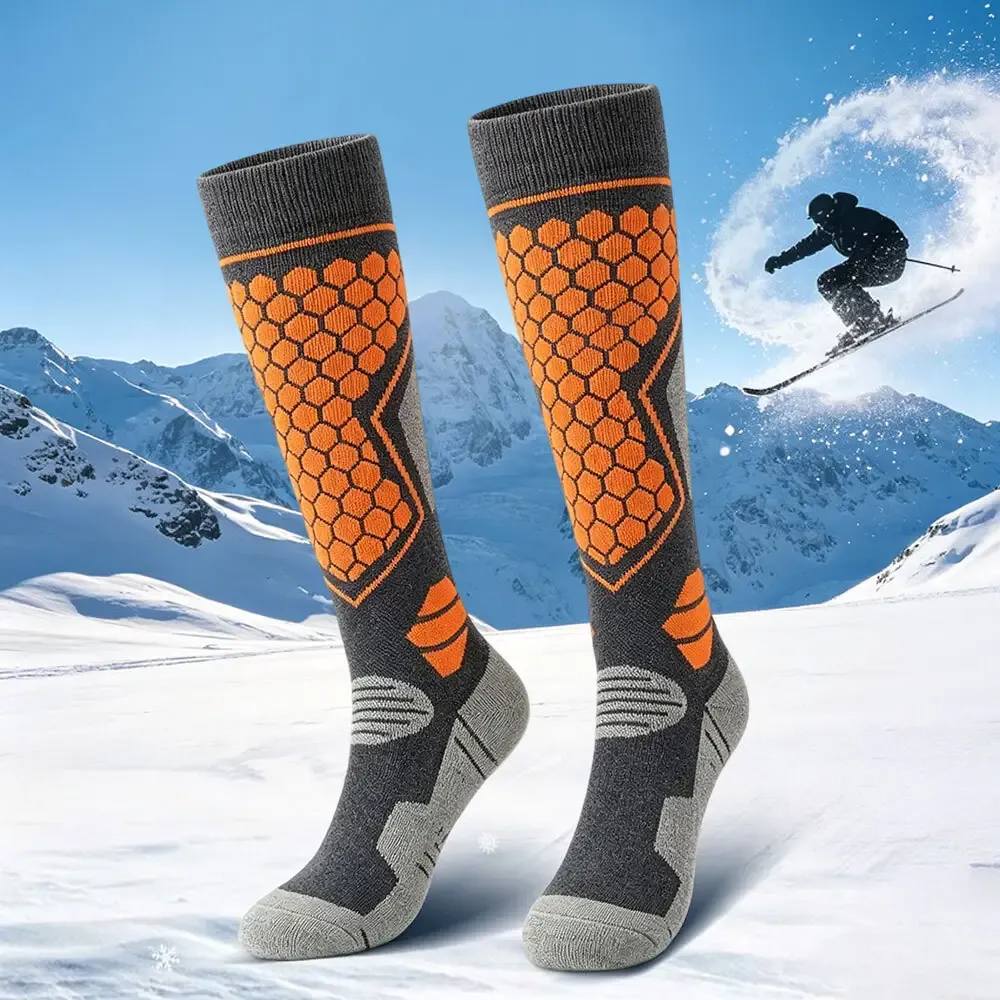
Nobody enjoys talking about foot odor, but everyone has experienced it. Warm shoes, long days, and sweaty feet create the perfect conditions for bacteria, and the result is a smell that can embarrass even the most careful person. Sock manufacturers have long tried to address this with treatments and special fibers, with mixed success. Herbal-based approaches have gained attention as a gentler alternative to harsh chemical finishes, appealing to customers who care about skin comfort. Jixingfeng Socks has made herbal skin-care, antibacterial, and deodorizing features a core part of its functional range. Here is a look at how this technology works and what brands should consider.
Why Odor and Bacteria Are a Sock Problem
Feet contain a large number of sweat glands, and socks trap warmth and moisture against the skin. Bacteria feed on sweat and dead skin and produce the compounds that cause unpleasant smells. If moisture stays in the fabric, the problem grows. A sock that handles moisture well and discourages bacterial growth can noticeably improve comfort. This is not about medical claims but about everyday freshness. Customers who walk, work, or exercise for long hours appreciate socks that feel dry and stay cleaner-smelling. Because the problem is so common, solutions that work reliably have strong commercial appeal for brands.
How Herbal Treatments Fit into Sock Production
Herbal skin-care and antibacterial finishes typically involve applying plant-derived substances to yarn or fabric so that they remain active through wear and washing. The details of formulation vary, and effectiveness depends on how well the treatment bonds to the fiber. A skilled custom socks manufacturer must integrate these treatments without harming softness, color, or elasticity. Testing is essential, including wash durability and skin compatibility checks. Jixingfeng Socks specializes in such functional treatments and combines them with moisture-wicking and quick-drying construction, giving the finished product several complementary ways to keep feet feeling comfortable.
Combining Fabric Structure with Functional Finishes
Treatments alone are not enough; the sock's structure matters too. Moisture-wicking yarns pull sweat away from the skin, and open knit zones can improve airflow. Quick-drying fibers reduce the time moisture stays in the fabric. Cushioning in the right places adds comfort without trapping too much heat. When these elements work together with antibacterial and deodorizing finishes, the sock manages odor from several angles. Designers should think of the sock as a system. A treatment applied to a poorly designed sock will disappoint, while a well-structured sock with a durable finish can deliver a noticeably better experience.

Testing, Durability, and Honest Claims
Functional claims must hold up in real life. Responsible manufacturers test how treatments behave after repeated washing, and check that they do not irritate the skin. Third-party testing, such as that offered by SGS, adds credibility, and the company holds SGS among its twelve international certifications. Brands should ask for test reports and avoid exaggerated marketing language. Saying that a sock is designed to help reduce odor is more credible than promising to eliminate it entirely. Honest, specific claims build trust, whereas inflated promises can lead to disappointed customers, negative reviews, and even regulatory trouble in some markets.
Who Benefits and How Brands Can Use It
Functional socks suit many customers. Athletes need freshness during training, workers need comfort over long shifts, children need gentle fabrics, and travelers want socks that stay pleasant over long days. Brands can position herbal antibacterial and deodorizing socks within sports, wellness, or everyday comfort collections, and pair them with clear packaging that explains the benefits. Custom logos, colors, and sizing can be added through design, sublimation, embroidery, or screen printing. By offering something that solves a real annoyance, a brand gives customers a reason to choose its socks over cheaper alternatives, and a reason to come back. Used honestly, functional treatments give brands a believable story, but the story only works if the sock keeps its promise after weeks of washing, which is why testing and clear wording matter so much.