IVF for Women with Endometriosis: What to Expect
By Center For Endometriosis And Fertility
42 Views
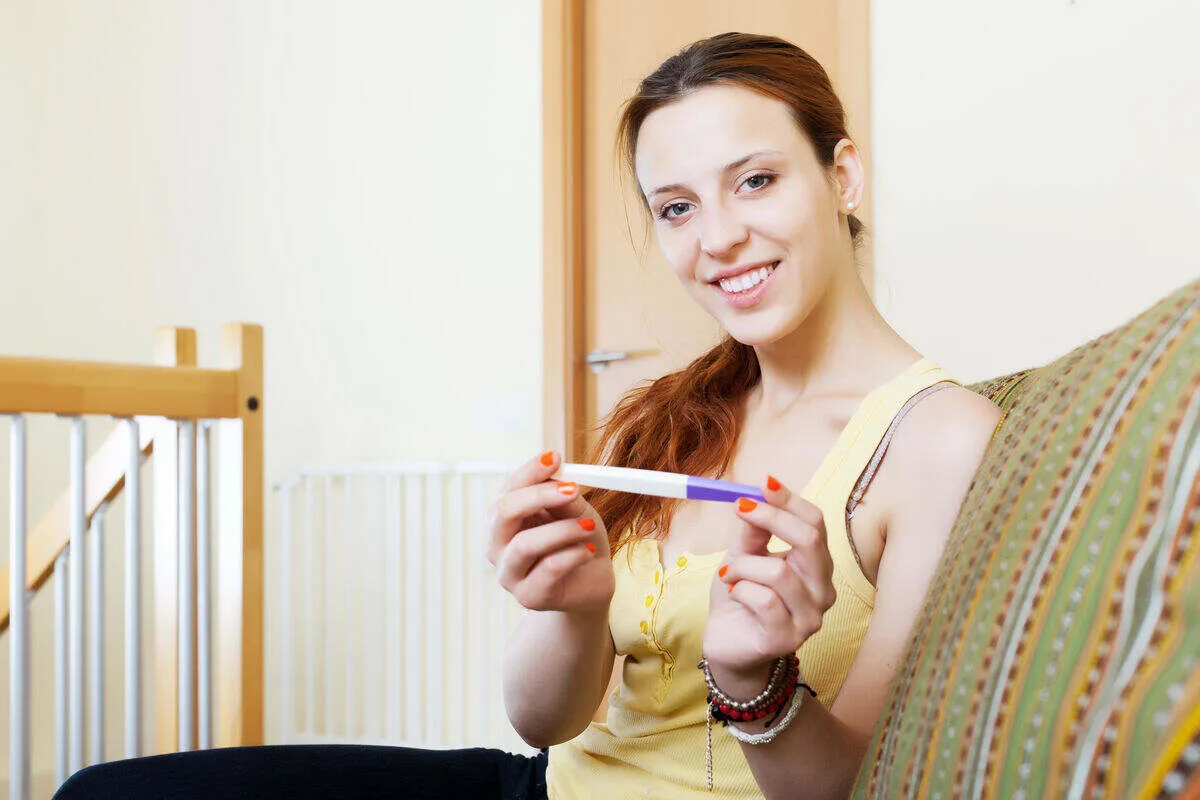
Endometriosis can complicate the path to pregnancy, but IVF offers a proven, well-established route forward for many women facing this diagnosis. Because endometriosis affects egg quality, ovarian reserve, and implantation in different ways for different patients, treatment plans often require extra customization and careful monitoring throughout. Understanding what to expect at each stage can help you feel more prepared and confident before beginning this fertility journey, both physically and emotionally.
The Fertility Impact of Endometriosis
Endometriosis can cause inflammation, scar tissue, and adhesions that interfere with ovulation, fertilization, and embryo implantation over time. Many women choosing an IVF clinic in Los Angeles do so specifically because endometriosis has made natural conception more difficult and uncertain.
The severity of endometriosis varies widely from patient to patient, and its impact on fertility does not always match visible symptoms. Some women with mild disease struggle significantly to conceive, while others with severe disease conceive naturally without much difficulty.
Building a Treatment Plan Around You
Because endometriosis affects every patient differently, IVF protocols are rarely one size fits all for these particular cases. Your fertility specialist will tailor medication, timing, and monitoring based on your specific diagnosis, symptoms, and reproductive history.
Getting a Baseline Workup Done
Before starting IVF, doctors typically evaluate ovarian reserve, hormone levels, and uterine health through bloodwork and detailed imaging. This baseline evaluation helps guide medication dosing and predict how your body may respond to stimulation.
Patients researching an IVF clinic in Los Angeles often begin their journey with this evaluation phase first. Results from these tests directly shape the treatment protocol your doctor ultimately recommends for your upcoming cycle.
Navigating the Stimulation Phase
Women with endometriosis sometimes require adjusted stimulation protocols, since the condition can affect how ovaries respond to fertility medications overall. Careful, close monitoring throughout this phase helps avoid complications and optimize overall egg yield.
Ultrasounds and bloodwork track follicle growth closely during this stage, allowing doctors to adjust medication doses as needed along the way. This individualized approach helps maximize the number of usable eggs retrieved.
What to Know About Retrieval
Egg retrieval can be more technically challenging when endometriomas or scar tissue are present near the ovaries themselves. Experienced surgeons take extra precautions to protect healthy ovarian tissue carefully during this delicate procedure.
Recovery from retrieval is usually similar to standard IVF cycles, though some women experience slightly more cramping or bloating afterward. Rest, hydration, and light activity typically help these symptoms resolve within a few days.
Choosing the Right Transfer Window
Timing embryo transfer carefully matters even more for women with endometriosis, since ongoing inflammation can affect implantation success rates. Some doctors recommend a frozen transfer cycle to allow the uterine lining additional time to recover.
This approach lets hormone levels stabilize naturally after stimulation, potentially creating a more favorable environment for successful implantation. Your doctor will determine the best timing based on your individual response and full history.
Setting Honest Expectations
IVF success rates for women with endometriosis vary considerably depending on disease severity, age, egg quality, and overall reproductive health. While outcomes can be excellent for many patients, setting realistic expectations early on helps ease emotional pressure throughout the treatment process.
Multiple IVF cycles are sometimes needed to achieve pregnancy, which is completely normal and not a sign of treatment failure at all. Open, honest communication with your care team helps you understand each step clearly and confidently along the way.
Caring for Your Mental Health
The emotional toll of IVF combined with a chronic condition like endometriosis can feel overwhelming and exhausting at times. Seeking support through counseling, support groups, or trusted loved ones can make a genuinely meaningful difference.
Many clinics now offer mental health resources alongside medical treatment, recognizing how closely emotional wellbeing connects to fertility outcomes overall. Prioritizing self care throughout this process is just as important as receiving proper medical care.
Fitting Treatment into Real Life
Managing IVF appointments, medications, and monitoring visits alongside work and family responsibilities can feel demanding for many women, especially during a busy season. Building a flexible schedule and leaning on trusted support systems can help ease this added burden considerably.
Small adjustments, like planning lighter workdays around procedures or communicating openly with employers when possible, often reduce unnecessary stress and anxiety. Giving yourself grace and patience during this period is an important, often overlooked, part of the process too.
Moving Forward with Confidence
Navigating IVF with endometriosis requires patience, informed decision making, and a care team that understands the condition thoroughly and compassionately from the start. Every woman's path looks a little different, so trusting your own timeline and instincts matters far more than comparing your journey to others going through similar treatment. Practices such as the Center for Endometriosis and Fertility often emphasize that a personalized, well-informed approach tends to lead toward better outcomes and a more manageable overall treatment experience for patients navigating this path.